


Why Reliability Is Key in Refuse Hauling
Views: 0 Author: Site Editor Publish Time: 2026-02-13 Origin: Site


Have you ever considered what keeps our cities clean? Refuse hauling is vital, relying on consistent equipment uptime. A reliable garbage truck is crucial for both municipalities and private operators. In this post, we'll explore the hidden costs of downtime in waste collection. We'll also discuss how reliability impacts public health, safety, and service reputation.
What Does "Reliability" Really Mean in a Garbage Truck?
Defining Reliability in Refuse Collection Vehicles
When we talk about reliability in garbage trucks, we're looking at more than just how long they last. It's about mechanical durability and operational reliability. A garbage truck needs to withstand heavy daily cycles while performing consistently. For fleet managers, the choice isn't always about the lowest upfront price; it's about investing in vehicles that will deliver dependable service over time.
Key Aspects of Reliability:
● Mechanical Durability: This refers to how well the truck can handle wear and tear. A robust design ensures fewer breakdowns.
● Operational Reliability: This aspect focuses on performance during daily operations. A reliable truck should function seamlessly, even under demanding conditions.
● Consistency Under Heavy Daily Cycles: Garbage trucks often operate in tough environments. They need to perform reliably day in and day out.
Key Metrics Fleet Managers Use to Measure Garbage Truck Reliability
Fleet managers rely on specific metrics to gauge the reliability of their garbage trucks. Understanding these metrics helps in making informed decisions about fleet management.
Metric | Description |
Uptime Percentage | This shows the percentage of time the truck is operational versus downtime. A higher percentage indicates better reliability. |
Maintenance Frequency | Regular maintenance is crucial. Tracking how often a truck requires service can highlight reliability issues. |
Average Repair Cost Per Year | This metric helps in budgeting. High repair costs can indicate underlying reliability problems. |
Service Life Expectancy | This predicts how long a garbage truck will last. A longer expectancy usually means better reliability. |
By keeping an eye on these metrics, fleet managers can ensure their garbage trucks remain reliable and efficient. Investing in reliable special vehicles not only boosts operational efficiency but also enhances service delivery to communities.
In short, understanding reliability in garbage trucks involves a blend of durability, performance, and strategic investment. It’s all about ensuring that refuse collection runs smoothly and efficiently, day after day.
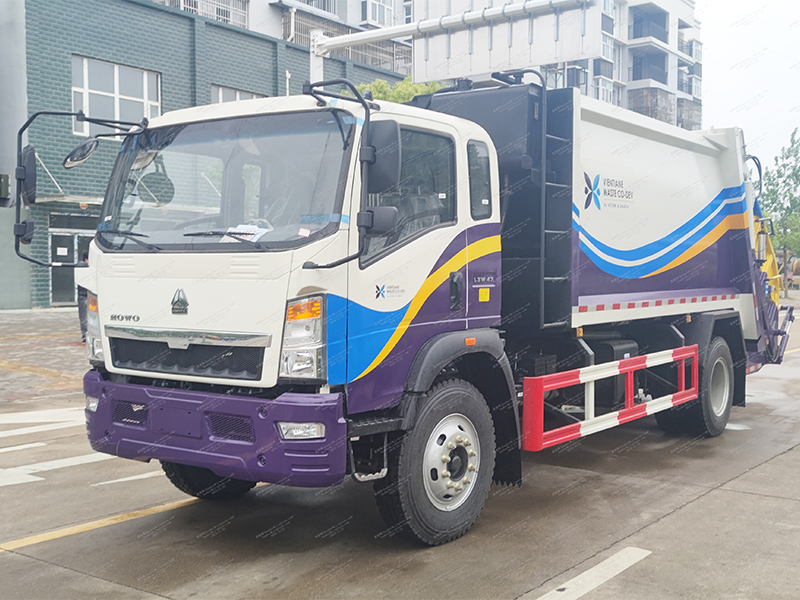
How Garbage Truck Reliability Impacts Total Cost of Ownership
The True Cost of an Unreliable Garbage Truck
An unreliable garbage truck can lead to significant financial burdens. When routes are missed, municipalities often face penalty fees. These unexpected costs can quickly add up, impacting budgets and service quality. Additionally, emergency repairs can be costly, especially when parts are delayed. This not only disrupts operations but also strains resources.
Key Factors Contributing to Costs:
● Missed Routes and Penalty Fees: Failure to complete scheduled pickups can result in fines and customer dissatisfaction. This can tarnish a company’s reputation and lead to lost contracts.
● Emergency Repairs and Parts Delays: When a truck breaks down unexpectedly, it often requires urgent repairs. These emergencies can lead to inflated repair costs and longer downtime due to parts shortages.
● Increased Labor and Fuel Costs: Unreliable vehicles often require more frequent servicing, leading to higher labor costs. Moreover, inefficient operations can increase fuel consumption, further driving up expenses.
● Shortened Vehicle Lifespan: Frequent repairs and maintenance can wear out a truck faster, leading to the need for premature replacement. This ultimately raises the total cost of ownership.
Why Reliable Garbage Trucks Save Money Long-Term
Investing in reliable garbage trucks can yield substantial savings over time. Fewer breakdowns mean less disruption in service, which translates to lower operational costs. Predictable maintenance schedules allow fleet managers to plan effectively, ensuring that vehicles are serviced before issues arise.
Benefits of Reliability:
Benefit | Impact |
Fewer Breakdowns | Less downtime leads to consistent service and reduced costs. |
Predictable Maintenance Schedules | Regular servicing can prevent major repairs, saving money. |
Higher Resale Value | Reliable vehicles retain value better, providing a good return on investment. |
Better Fleet Planning and Budgeting | Accurate forecasts help in managing expenses and resources efficiently. |
By focusing on reliability, operators can enhance fleet performance and reduce overall expenses. This strategic approach not only ensures efficient refuse collection but also supports sustainable budgeting practices.
Key Components That Define a Reliable Garbage Truck
Chassis Strength and Structural Integrity
The chassis is the backbone of any garbage truck. A strong, heavy-duty frame is essential for refuse hauling. These frames are designed to withstand the rigors of daily operations, ensuring that they can handle heavy loads without compromising safety or performance.
Key Features of Chassis Strength:
● Heavy-Duty Frames: These frames are built to endure the stress of constant loading and unloading. They provide the necessary support for the truck's overall structure.
● Load-Bearing Capacity: A reliable garbage truck must have a high load-bearing capacity. This ensures it can carry the weight of collected waste without risking structural failure.
● Long-Term Fatigue Resistance: Over time, repeated stress can lead to fatigue. A well-designed chassis will resist this fatigue, extending the vehicle's service life.
Hydraulic Systems Built for High-Cycle Operations
Hydraulic systems play a crucial role in the operation of garbage trucks. However, they are often the most failure-prone systems due to their complexity and high usage rates.
Considerations for Hydraulic Reliability:
● Quality Components: Investing in high-quality pumps, valves, and cylinders is critical. These components must withstand constant use and pressure fluctuations.
● Leak Prevention: Ensuring that hydraulic systems are designed to prevent leaks is vital. Leaks can lead to operational failures and increased maintenance costs.
● Pressure Stability: Maintaining stable pressure in the hydraulic system is essential for consistent performance. This stability ensures that the truck can operate efficiently under varying load conditions.
Durable Garbage Truck Body Construction
The body of a garbage truck must be robust and resilient. A durable construction can significantly affect the vehicle's reliability and longevity.
Features of Durable Body Construction:
Component | Description |
Reinforced Steel Bodies | These bodies are designed to resist impact and wear, ensuring they can handle heavy refuse without damage. |
Wear-Resistant Floors and Sidewalls | Floors and sidewalls made from wear-resistant materials reduce the risk of damage from heavy loads. |
Corrosion Protection | Effective corrosion protection extends the service life of the truck. This is crucial for vehicles that operate in harsh environments. |
By focusing on these key components, manufacturers can create reliable garbage trucks that meet the demands of refuse hauling. A well-constructed vehicle not only enhances operational efficiency but also ensures safety and durability over time.
How Engineering Design Improves Garbage Truck Reliability
Maintenance-Friendly Garbage Truck Design
A well-thought-out design can significantly enhance the reliability of garbage trucks. Maintenance-friendly features are crucial for keeping these vehicles operational. When service points are accessible, mechanics can perform routine checks and repairs quickly, minimizing downtime.
Key Features of Maintenance-Friendly Design:
● Accessible Service Points: Strategic placement of service points allows for easy access during maintenance. This reduces the time spent on inspections and repairs, ensuring the truck remains in service longer.
● Modular Components: Using modular components simplifies repairs. If a part fails, it can be replaced without needing to dismantle the entire system, saving both time and labor costs.
● Simplified Inspections and Repairs: A design that prioritizes easy inspections means potential issues can be identified early. This proactive approach helps prevent major breakdowns and extends the vehicle's lifespan.
Operator-Centered Design That Reduces Wear
The comfort and efficiency of the operator play a vital role in the reliability of garbage trucks. An operator-centered design can significantly reduce wear and tear on the vehicle.
Essential Aspects of Operator-Centered Design:
Design Element | Benefit |
Ergonomic Cab Layouts | A well-designed cab reduces operator fatigue, allowing for longer, safer shifts. |
Clear Visibility and Intuitive Controls | Enhanced visibility and easy-to-use controls help operators navigate safely, reducing the risk of accidents. |
Reduced Operator Error | By minimizing errors, we can extend the life of critical components. This means fewer repairs and less downtime. |
When operators are comfortable and confident, they can focus on their tasks without unnecessary distractions. This not only improves efficiency but also enhances the overall reliability of the garbage truck.
By integrating these engineering design principles, manufacturers can create garbage trucks that are not only reliable but also easier to maintain and operate. This thoughtful approach leads to better performance in the demanding world of refuse hauling.
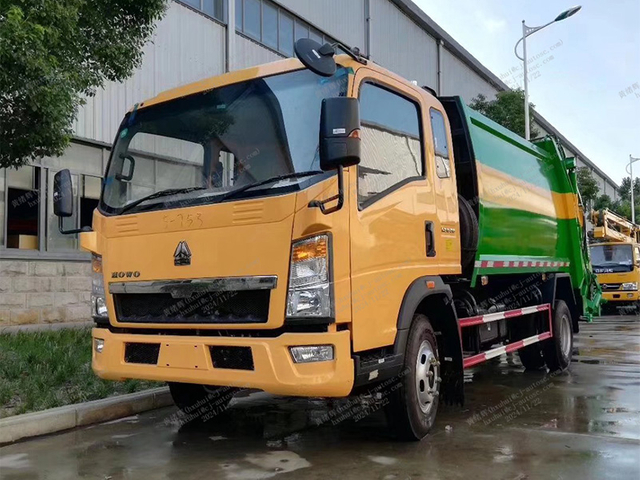
Safety Features That Support Reliable Garbage Truck Operations
Built-In Safety Systems That Prevent Damage
Safety features in garbage trucks are essential for ensuring reliable operations. These built-in systems not only protect the operators but also help prevent damage to the vehicle and its components.
Key Safety Features Include:
● Interlock Systems: These systems prevent the truck from operating unless certain safety conditions are met. For example, the compactor cannot engage if the truck is not in the correct position, reducing the risk of accidents.
● Hoist and Compaction Safety Alarms: Alarms alert operators to potential hazards during hoisting and compaction operations. This early warning system helps prevent mishaps that could lead to equipment failure or injury.
● Visibility and Lighting Enhancements: Improved visibility through better lighting systems ensures operators can see their surroundings clearly, especially in low-light conditions. This feature is crucial for preventing accidents during refuse collection.
Why Safety and Reliability Are Directly Connected
The relationship between safety and reliability in garbage trucks is undeniable. When safety features are effectively integrated, they help minimize risks and enhance overall vehicle performance.
Benefits of Safety Features:
Aspect | Benefit |
Preventing Misuse | Safety systems discourage improper use, reducing the likelihood of damage. |
Accidental Damage Protection | Features like interlocks and alarms help avoid costly repairs and downtime. |
Protecting Operators and Equipment | A focus on safety means operators can work confidently, knowing they are protected from harm. |
By prioritizing safety in design, manufacturers contribute to the reliability of garbage trucks. When operators feel safe and secure, they can perform their duties more effectively, ensuring that refuse collection runs smoothly and efficiently. This holistic approach to vehicle design not only enhances safety but also reinforces the reliability of these special vehicles in demanding environments.
Reliability and Environmental Compliance in Modern Garbage Trucks
Emissions Standards and Engine Reliability
In today's world, garbage trucks must meet stringent emissions standards while maintaining high performance. Reliability in engine design is crucial for compliance without sacrificing power.
Key Considerations for Engine Reliability:
● Compliance Without Sacrificing Performance: Modern engines are engineered to reduce emissions while providing the necessary torque and power for refuse hauling. This balance ensures that trucks can perform efficiently under heavy loads.
● Engine Calibration for Refuse Hauling Applications: Proper calibration is vital for optimizing engine performance in refuse collection. Adjustments specific to garbage truck operations enhance fuel efficiency and reduce harmful emissions, ensuring compliance with environmental regulations.
Leak Prevention and Clean Operations
Preventing leaks is essential for both operational efficiency and environmental safety. Modern garbage trucks incorporate features that minimize the risk of spills and leaks, protecting the environment.
Critical Features for Leak Prevention:
Feature | Benefit |
Hydraulic Oil Containment | Containment systems prevent hydraulic oil leaks, reducing environmental impact. |
Reduced Environmental Risk | Effective design minimizes the likelihood of spills, helping operators avoid costly fines. |
By prioritizing leak prevention, manufacturers not only enhance the reliability of garbage trucks but also contribute to cleaner operations. This commitment to environmental compliance aligns with the growing emphasis on sustainability in the waste management industry. When garbage trucks operate reliably and cleanly, they support both community health and regulatory standards, making them essential special vehicles in modern refuse hauling.
Conclusion
A reliable garbage truck is a long-term investment, not just equipment. It ensures efficient operations and protects budgets from unexpected costs. Choosing the right refuse truck enhances service quality and safeguards company reputation. For fleet managers and procurement teams, investing in dependable vehicles is essential. Changjiang offers innovative solutions that provide exceptional value, ensuring your fleet operates smoothly and reliably. Their products are designed to meet the demands of modern refuse hauling while maintaining high performance and compliance.
FAQ
Q: Why is reliability important in garbage truck operations?
A: Reliability ensures that garbage trucks perform consistently, minimizing downtime and maintenance costs.
Q: What features contribute to a reliable garbage truck?
A: Key features include strong chassis, efficient hydraulic systems, and safety enhancements that prevent damage.
Q: How does a reliable garbage truck affect operational budgets?
A: Investing in a reliable garbage truck reduces unexpected repair costs and enhances overall efficiency.
Q: What are the benefits of choosing a high-quality garbage truck?
A: A high-quality garbage truck offers durability, better performance, and compliance with emissions standards.
Q: How can fleet managers ensure their garbage trucks remain reliable?
A: Regular maintenance and inspections are crucial for ensuring the reliability of garbage trucks in service.


