


The Role of Dump And Water Trucks in Modern Infrastructure Projects
Views: 0 Author: Site Editor Publish Time: 2026-02-16 Origin: Site


Have you ever considered the unsung heroes of construction sites? Dump and water trucks play a vital role in modern infrastructure projects. These vehicles ensure efficient material transport and dust control, crucial for any successful project. In this post, we’ll explore their definitions, functions, and the increasing demand for reliable equipment in construction.
Understanding Dump Trucks
What is a Dump Truck?
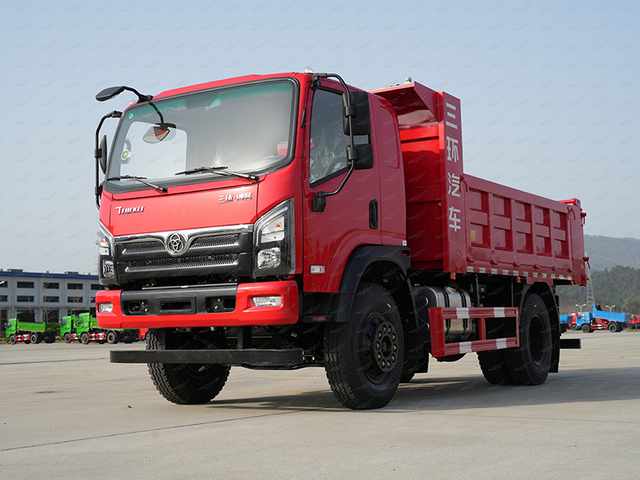
A dump truck is a specialized vehicle designed for transporting various materials, primarily bulk items like soil, gravel, and debris. Its key components include a cab for the driver, a robust chassis for support, and a hydraulic dump bed that tilts to unload materials. The dump bed's capacity can vary significantly, ranging from a few cubic yards in smaller models to over 20 cubic yards in larger ones.
Types of Dump Trucks
Dump trucks come in several types, each tailored for specific tasks:
● Standard Dump Truck: The most common type, ideal for general construction tasks.
● Side Dump Truck: Designed to unload materials to the side, perfect for tight spaces.
● Articulated Dump Truck: Features a hinge between the cab and the dump bed, enhancing maneuverability on uneven terrain.
● Transfer Dump Truck: Has a separate trailer with an additional dump bed, increasing load capacity.
● Super Dump Truck: Equipped with extra axles for heavier loads, making it suitable for long-distance hauls.
Key Functions of Dump Trucks
How Do Dump Trucks Facilitate Bulk Material Transportation?
Dump trucks are essential for moving large quantities of materials efficiently. They transport soil, gravel, and construction debris from one site to another, drastically reducing the need for manual labor. This capability not only speeds up the construction process but also improves overall efficiency.
One critical feature is the hydraulic dumping mechanism, which allows for precise unloading. This ensures that materials are placed exactly where needed, minimizing waste and optimizing workflow.
What are the Advantages of Using Dump Trucks for Site Preparation?
Dump trucks play a pivotal role in site preparation tasks. They handle debris removal, land clearing, and grading, which are crucial for setting up a safe and stable construction site. Timeliness is vital in these operations; delays can lead to increased costs and project setbacks.
By efficiently managing these tasks, dump trucks enhance safety on-site, reducing the risk of accidents caused by clutter or unstable ground. Their ability to quickly clear areas helps keep projects on schedule, ensuring smooth progress.
Specific Applications of Dump Trucks
How Do Dump Trucks Support Material Delivery?
Timely delivery of materials is crucial in construction. Dump trucks ensure that aggregates, concrete, and other essential supplies arrive when needed. Without them, projects can face significant delays.
For instance, a construction site may require gravel for a foundation. A dump truck can deliver this material quickly, allowing work to continue without interruption. This reliability is key to maintaining workflow and avoiding costly downtime.
What Makes Dump Trucks Versatile for Diverse Construction Needs?
Dump trucks are incredibly versatile and can adapt to various tasks and terrains. Their design allows them to navigate different environments, from urban settings to rugged job sites.
For example, Load King offers models like the 10-ft and 16-ft dump trucks, specifically designed for different applications. The 10-ft model is perfect for tight urban jobs, while the 16-ft model carries more material, making it ideal for larger projects. This adaptability ensures that contractors can select the right tool for their specific needs, optimizing efficiency and effectiveness in their operations.
The Role of Water Trucks in Construction
What is a Water Truck?
A water truck is a specialized vehicle designed to transport and distribute water on construction sites. These trucks play a crucial role in maintaining site conditions by providing a steady water supply for various tasks. Their primary functions include dust suppression, soil compaction, and road curing. In modern construction, water trucks are indispensable, addressing challenges like dust control and moisture management that can significantly affect project outcomes.
Importance in Modern Construction Sites
Water trucks are vital for ensuring safety and compliance on construction sites. Dust can create hazardous conditions, impacting visibility and respiratory health. By managing dust effectively, water trucks help maintain a safer working environment. Additionally, they support the overall efficiency of construction operations, ensuring that tasks can proceed without unnecessary delays.
Overview of Key Challenges that Water Trucks Address
Water trucks tackle several challenges in construction, including:
● Dust Control: Uncontrolled dust can lead to safety hazards and regulatory issues.
● Soil Compaction: Maintaining proper moisture levels is essential for effective compaction.
● Road Curing: Consistent moisture is crucial for setting materials properly.
Key Functions of Water Trucks
How Do Water Trucks Control Dust on Job Sites?
Dust suppression is one of the primary functions of water trucks. Controlling dust is essential for safety and regulatory compliance. Dust can obscure visibility and lead to respiratory issues for workers.
Water trucks use various techniques for dust control, such as spraying water on unpaved surfaces and during material handling. This practice not only keeps the air clean but also reduces liability issues related to dust exposure.
Technique | Description |
Water Spraying | Directly spraying water on dusty areas |
Soil Stabilization | Mixing water into the soil to bind particles |
Fogging Systems | Using fine mist to capture airborne dust particles |
What Role Do Water Trucks Play in Soil Compaction?
Proper moisture levels are crucial for effective soil compaction. Water trucks assist in this process by delivering water to the soil before compaction occurs. Adequate moisture helps particles stick together, creating a stable foundation.
Conversely, improper moisture levels can lead to poor compaction, resulting in uneven surfaces and potential structural issues. For instance, too little water can cause soil to be loose, while too much can lead to muddy conditions, hindering equipment movement.
Specific Applications of Water Trucks
How Do Water Trucks Aid in Road Curing?
Water trucks are essential for road curing, particularly in maintaining consistent moisture levels. Proper curing is vital for the longevity of road materials, ensuring they set correctly and withstand traffic loads.
By providing a steady water supply, these trucks help improve material set times, allowing for quicker project completion. For example, timely watering can enhance the durability of asphalt and concrete, reducing the risk of cracking and extending the lifespan of the road.
What are the Benefits of Customizable Spray Systems in Water Trucks?
Modern water trucks often come equipped with customizable spray systems. These systems allow for precision in water application, ensuring that only the necessary amount of water is used.
This not only reduces water waste but also improves overall efficiency. Features such as adjustable nozzles and pressure control enable operators to tailor water distribution based on specific site needs. This adaptability ensures that water is applied effectively, enhancing both safety and productivity on the job site.
Optimizing Equipment Performance
How Does Chassis and Power System Impact Dump and Water Truck Efficiency?
The chassis and power system of dump and water trucks play a crucial role in their overall efficiency. A well-designed chassis ensures proper weight distribution, which is vital for stability and handling. When the weight is evenly distributed, trucks perform better on various terrains, reducing wear on tires and enhancing fuel efficiency.
Importance of Proper Chassis Integration for Weight Distribution
Proper chassis integration is essential for optimizing performance. A balanced weight distribution allows trucks to operate smoothly, especially when navigating rough job sites. For example, when a dump truck is loaded unevenly, it can tip over or cause excessive strain on the suspension system. This not only affects safety but also increases maintenance costs.
Chassis Type | Advantages |
Medium-Duty Chassis | Suitable for lighter loads and urban environments |
Heavy-Duty Chassis | Built for heavy loads and rough terrains |
Overview of Power Systems, Including Electric Power Take-Off (ePTO)
The power system of a truck significantly influences its performance and efficiency. Electric power take-off (ePTO) systems are becoming increasingly popular, providing a more efficient way to power hydraulic systems. This technology reduces fuel consumption and emissions, making it an environmentally friendly option. By using ePTO, operators can run equipment without idling the engine, leading to cost savings and improved productivity.
What Role Does Operator Comfort Play in Equipment Performance?
Operator comfort is another key factor affecting equipment performance. A well-designed cab with ergonomic controls can greatly enhance the operator's experience. When operators are comfortable, they can focus better on their tasks, leading to increased productivity and safety on the job site.
Importance of Cab Design and Ergonomic Controls
Cab design significantly impacts how operators interact with the truck. Features like adjustable seats, intuitive controls, and adequate visibility contribute to a more comfortable working environment. For instance, a cab that minimizes vibrations and provides good lumbar support can help reduce fatigue during long shifts.
Impact on Productivity and Safety
When operators feel comfortable, their productivity increases. They can work longer hours without feeling exhausted, which is crucial in demanding construction environments. Moreover, a comfortable operator is less likely to make mistakes, which enhances overall safety on the job site.
How Comfort Affects Operator Focus and Reduces Fatigue
Comfortable seating and well-placed controls allow operators to maintain focus on their tasks. When they are not distracted by discomfort, they can respond quickly to changing conditions on the job site. This focus is essential for preventing accidents and ensuring that projects stay on track.
Incorporating these elements into dump and water trucks not only optimizes their performance but also enhances the overall efficiency of construction projects. By prioritizing both equipment design and operator comfort, we can achieve better results in modern infrastructure projects.
Fleet Support and Availability
Why is Immediate Availability of Dump and Water Trucks Crucial?
Immediate availability of dump and water trucks is essential in the fast-paced world of construction. When projects kick off, having the right equipment ready for immediate delivery can make all the difference. Delays in equipment availability can lead to significant setbacks, causing projects to fall behind schedule and exceed budgets.
Importance of Having Equipment Ready for Immediate Delivery
Construction projects often operate on tight timelines. When dump and water trucks are readily available, teams can mobilize quickly, ensuring that material transportation and dust control tasks are executed without delay. For instance, if a site requires immediate soil delivery, having a dump truck on standby allows for swift action, keeping the project on track.
Impact of Delayed Equipment | Consequences |
Increased Project Timelines | Delays in project completion |
Budget Overruns | Higher costs due to extended labor hours |
Loss of Client Trust | Frustration from stakeholders and clients |
Impact on Project Timelines and Budget Management
When dump and water trucks are not available, it disrupts the entire workflow. Delays can lead to increased labor costs as workers wait for necessary equipment. This situation can quickly spiral into budget overruns, as every day of delay adds to expenses.
Moreover, construction schedules are often interconnected. A delay in one area can cause a ripple effect, impacting other tasks and leading to further complications. Therefore, having a reliable fleet ready for immediate deployment is crucial for maintaining project timelines and managing budgets effectively.
Discussion of Inventory Readiness and Ongoing Service Coverage
Inventory readiness is a critical factor in ensuring immediate availability. Companies must maintain a well-stocked fleet of dump and water trucks to respond quickly to project demands. This involves regular maintenance checks and an efficient system for tracking equipment availability.
Ongoing service coverage is equally important. Having a dedicated support team that can quickly address maintenance issues ensures that trucks remain operational. This proactive approach minimizes downtime and keeps projects running smoothly.
By prioritizing fleet support and availability, construction companies can enhance their operational efficiency, ensuring that they meet project deadlines and stay within budget constraints.
Environmental Considerations
How Do Dump and Water Trucks Meet Environmental Standards?
Dump and water trucks play a significant role in modern construction, but their operation must align with environmental standards. As regulations become stricter, these vehicles are increasingly equipped with emission-reduction technologies to minimize their environmental impact.
Overview of Emission-Reduction Technologies
Many dump and water trucks now feature advanced technologies aimed at reducing harmful emissions. For example, diesel particulate filters (DPFs) and selective catalytic reduction (SCR) systems help decrease nitrogen oxides and particulate matter released into the atmosphere. These technologies not only comply with environmental regulations but also contribute to cleaner air quality around construction sites.
Technology | Function |
Diesel Particulate Filters | Captures soot and particulate matter |
Selective Catalytic Reduction | Reduces nitrogen oxides through chemical reactions |
Regenerative Braking | Converts kinetic energy into electrical energy |
Importance of Compliance with Environmental Regulations
Compliance with environmental regulations is vital for construction companies. Failing to meet these standards can result in hefty fines and project delays. Moreover, clients and stakeholders increasingly prefer companies that demonstrate environmental responsibility. By ensuring that dump and water trucks adhere to these regulations, companies can enhance their reputation and secure more contracts.
Discussion of the Role of Dump Trucks in Transporting Waste and Contaminated Materials
Dump trucks are essential for transporting waste and contaminated materials safely. Their design allows for secure loading and unloading, minimizing the risk of spills or leaks during transport. This is particularly important when dealing with hazardous materials, as improper handling can lead to environmental contamination.
Water trucks also play a role in managing waste by providing dust control and moisture for soil stabilization. By keeping dust down, they help prevent harmful particles from becoming airborne, thereby protecting local ecosystems.
In summary, the integration of emission-reduction technologies and adherence to environmental regulations are crucial for dump and water trucks. These measures not only ensure compliance but also promote a safer, cleaner environment for everyone involved in construction projects.
Conclusion
Dump and water trucks are vital in modern infrastructure projects. They support efficient material transport and dust control. Choosing the right equipment is crucial for specific project needs. Investing in reliable trucks ensures successful outcomes and enhances productivity.
For those looking to optimize their next project, consider the unique advantages of Changjiang products. Their commitment to quality and performance can significantly benefit your operations. For more information about their offerings, visit their website.
FAQ
Q: What are dump trucks used for in infrastructure projects?
A: Dump trucks are essential for transporting materials like soil, gravel, and debris on construction sites.
Q: How do water trucks contribute to modern construction?
A: Water trucks help control dust and provide moisture for soil stabilization, improving site conditions.
Q: Why is it important to choose the right dump truck?
A: Selecting the appropriate dump truck ensures efficient material handling and meets specific project needs.
Q: What are the benefits of using water trucks on job sites?
A: Water trucks enhance safety by reducing dust and maintaining optimal moisture levels for various tasks.
Q: How much do dump and water trucks typically cost?
A: The cost of dump and water trucks varies based on size, features, and brand, impacting overall project budgets.


