


Special Purpose Vehicle (SPV): Definition And Reasons Companies Use Them
Views: 0 Author: Site Editor Publish Time: 2026-02-09 Origin: Site


Have you ever wondered how companies manage complex projects? Special Purpose Vehicles (SPVs) play a crucial role in this process. In this article, we’ll explore what SPVs are and why they matter. You’ll learn how they benefit buyers, fleet managers, and operations teams.
What Is a Special Purpose Vehicle (SPV)?
Definition of a Special Purpose Vehicle (SPV)
A Special Purpose Vehicle (SPV) refers to vehicles specifically designed or modified to perform unique tasks. Unlike standard vehicles, SPVs go beyond mere transportation. They encompass a wide range of specialized vehicles, including utility trucks, emergency response units, and industrial support trucks.
These vehicles are tailored to meet specific operational needs, ensuring they excel in their designated roles. For instance, an emergency response vehicle is equipped with advanced communication systems and medical supplies, while a utility truck may feature tools for maintenance and repair tasks.
Key Characteristics of SPV Vehicles
SPVs boast several defining characteristics that set them apart from regular vehicles. Here are some key features:
● Custom-Built Designs: Many SPVs are built on highly modified chassis, ensuring they can handle the demands of their specific tasks. This customization allows for better performance and adaptability.
● Task-Specific Equipment: These vehicles often come equipped with specialized tools, such as hydraulic arms, tanks, pumps, and safety systems. This equipment is integral to the vehicle's function, enhancing its utility.
● Performance and Reliability: SPVs are engineered for robust performance in challenging conditions. They prioritize safety and reliability, making them essential for operations in emergencies or difficult environments.
How SPVs Differ from Regular Commercial Vehicles
When comparing SPVs to standard commercial vehicles, the differences are clear. Regular cargo trucks are designed primarily for transport, while SPVs serve as purpose-built operational platforms. This distinction is crucial for industries that rely on specialized vehicles.
Feature | SPV Vehicles | Regular Commercial Vehicles |
Design Purpose | Specific tasks | General transport |
Equipment Integration | Specialized tools and systems | Basic cargo space |
Performance | Engineered for reliability and safety | Standard performance |
SPVs integrate specialized equipment by design, enhancing their functionality. This focus on specific tasks makes them invaluable in sectors like emergency services, construction, and industrial operations.
In summary, understanding the definition and characteristics of SPVs is essential for recognizing their importance in various industries. These vehicles are not just modes of transport; they are vital tools that support specific operational needs.
Why Companies Use Special Purpose Vehicles
Operational Efficiency and Mission Focus
Companies choose Special Purpose Vehicles (SPVs) because they perform tasks that generic vehicles simply can’t. For example, street sweeping, aerial work, and firefighting are all specialized jobs requiring unique vehicles. These SPVs are designed specifically for such operations, allowing for higher productivity per task.
This focus on mission-specific design means that businesses can accomplish more in less time. By utilizing SPVs, companies can streamline their operations and enhance overall efficiency.
Regulatory Compliance and Safety
In many cases, SPVs are not just beneficial; they are required by law for certain jobs. For instance, hazardous material transport and emergency services often mandate the use of specialized vehicles. These vehicles are built to meet stringent safety standards, ensuring compliance with regulations.
Requirement | SPV Vehicles | Generic Vehicles |
Safety Standards | Built to specific regulations | General safety features |
Legal Compliance | Required for hazardous jobs | Not typically mandated |
By using SPVs, companies can ensure they are operating within legal frameworks, reducing the risk of penalties and enhancing safety for their employees and the public.
Risk Reduction and Reliability
SPVs are designed with specialized controls and enhanced protection systems, making them reliable in demanding environments. Their rugged construction ensures durability, allowing them to operate efficiently even in harsh conditions.
This focus on reliability translates to reduced operational risk. Companies can trust that their SPVs will perform consistently, minimizing downtime and unexpected failures.
Cost Optimization Over Lifecycle
Investing in SPVs can lead to significant cost savings over their lifecycle. Compared to ad-hoc converted vehicles, SPVs typically require lower maintenance and experience less downtime. This reliability means fewer disruptions to operations, which can be costly.
Additionally, SPVs often have better resale value compared to standard vehicles. When companies invest in a professional SPV fleet, they are making a smart financial decision that can pay off in the long run.
Cost Factor | SPV Vehicles | Ad-Hoc Converted Vehicles |
Maintenance Costs | Lower over time | Higher due to modifications |
Downtime | Reduced due to reliability | Increased from frequent repairs |
Resale Value | Generally higher | Often lower |
By understanding these benefits, companies can make informed decisions about integrating SPVs into their operations, leading to improved efficiency, safety, and cost-effectiveness.
Common Types of Special Purpose Vehicles and Business Applications
Municipal and Public Works SPVs
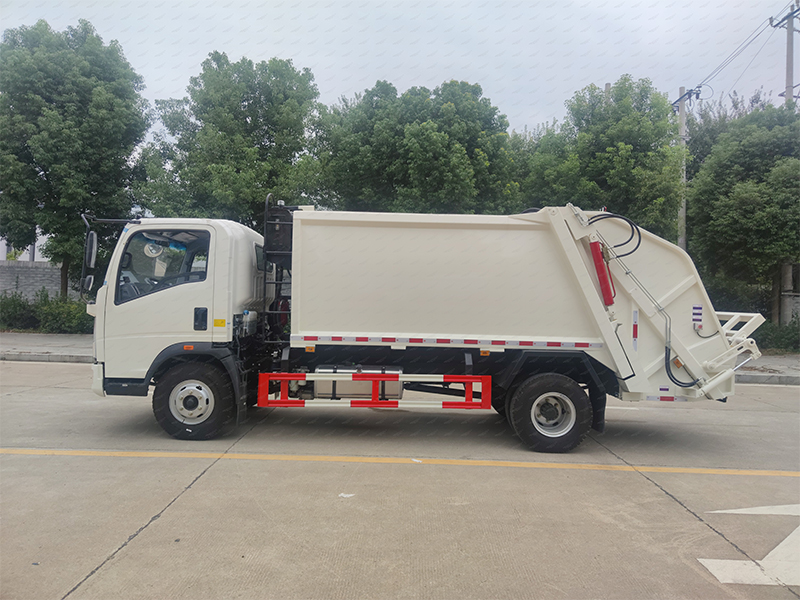
Municipal and public works Special Purpose Vehicles (SPVs) play a vital role in maintaining urban infrastructure. These vehicles include street sweepers, garbage trucks, and sewer cleaners, all designed specifically for sanitation and infrastructure tasks.
In the context of smart cities and sustainability projects, these SPVs are crucial. They help ensure clean environments and efficient waste management, contributing to the overall quality of urban living. For example, street sweepers not only enhance cleanliness but also support environmental initiatives by reducing dust and pollution.
Emergency Response & Safety SPVs
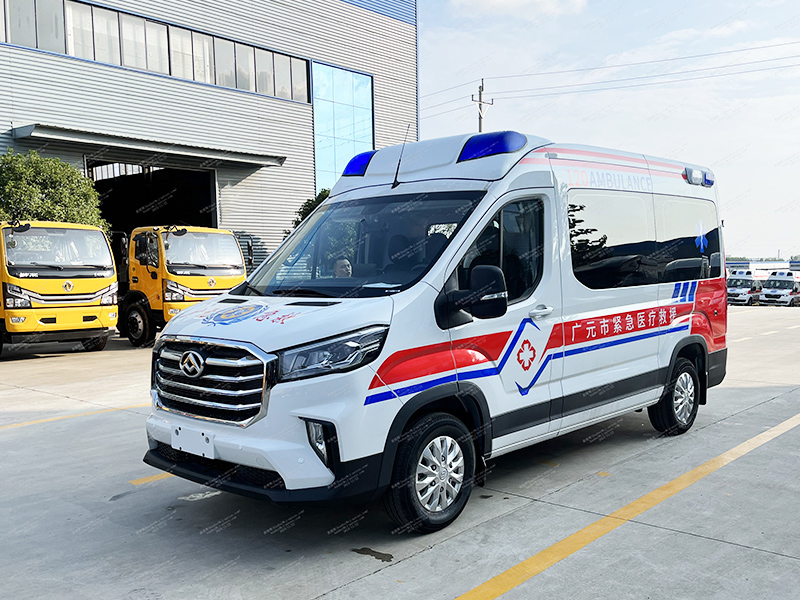
Emergency response SPVs, such as fire trucks, rescue vehicles, and ambulances, are equipped for rapid response and life-saving missions. These vehicles are designed to handle urgent situations, ensuring that help reaches those in need as quickly as possible.
Fire trucks, for instance, come with specialized equipment like hoses, ladders, and water tanks. Ambulances are outfitted with medical supplies and equipment, allowing paramedics to provide immediate care en route to hospitals.
Vehicle Type | Key Features | Primary Use |
Fire Trucks | Hoses, ladders, water tanks | Firefighting and rescue |
Ambulances | Medical equipment, stretchers | Emergency medical services |
Rescue Vehicles | Specialized tools for extraction | Search and rescue operations |
Industrial and Construction SPVs
In the industrial and construction sectors, SPVs such as crane trucks, aerial platform trucks, and heavy-duty work trucks are essential. These vehicles are designed to handle the heavy lifting and specialized tasks required in construction and utilities.
For example, crane trucks can lift heavy materials to great heights, making them indispensable on construction sites. Aerial platform trucks provide access to elevated areas, ensuring workers can safely perform tasks at height.
These SPVs are often integrated into industrial process flows, enhancing efficiency and productivity.
Commercial Logistics & Special Transportation SPVs
Commercial logistics rely heavily on SPVs like refrigerated trucks, tank trucks, and bulk transport vehicles. These specialized vehicles support supply chain activities across various sectors, ensuring goods are transported safely and efficiently.
Refrigerated trucks are crucial for transporting perishable items, while tank trucks are designed for transporting liquids, such as fuel or chemicals. Bulk transport vehicles are used for large quantities of materials, providing flexibility in logistics operations.
Vehicle Type | Application | Sector |
Refrigerated Trucks | Transporting perishable goods | Food and pharmaceuticals |
Tank Trucks | Moving liquids | Oil, chemicals, and more |
Bulk Transport Vehicles | Carrying large quantities of materials | Construction and mining |
Defense and Security Special Vehicles
In the defense sector, SPVs include armored multi-purpose vehicles, tactical vehicles, and armored personnel carriers (APCs). Vehicles like the Roshel Senator, Lenco BearCat, and Oshkosh M-ATV serve as special utility variants, designed for military and security applications.
These vehicles are built to withstand harsh conditions and provide protection for personnel. Their specialized features enable them to perform effectively in various scenarios, from combat situations to peacekeeping missions.
By understanding the diverse types of SPVs and their applications, businesses can make informed decisions about their operational needs and enhance their capabilities.
How Companies Decide Which SPV Vehicle They Need
Defining the Task and Operational Requirements
When selecting a Special Purpose Vehicle (SPV), the first step is to clearly define its mission. What specific tasks will the vehicle perform? Understanding the operational requirements is crucial.
Consider factors like duty cycles, the environment in which the vehicle will operate, and load requirements. For instance, a street sweeper needs to handle various terrains, while an emergency response vehicle must be ready for rapid deployment in urban areas.
Performance, Capacity, and Compliance
Next, companies must evaluate performance and capacity. This involves selecting the appropriate payload and chassis to meet the demands of the intended tasks.
Additionally, compliance with emission, safety, and regulatory qualifications is critical. Vehicles must adhere to industry safety standards, which ensures they can operate legally and safely in their designated environments.
Criteria | Considerations | Importance |
Payload Capacity | Weight limits for loads | Affects operational efficiency |
Chassis Selection | Type suited for specific tasks | Influences vehicle performance |
Regulatory Compliance | Emission and safety standards | Ensures legal operation |
Budget, Total Cost of Ownership (TCO), and Business Goals
Budget considerations play a significant role in the decision-making process. Companies need to compare the upfront cost of purchasing an SPV against its total lifecycle cost.
Understanding the Total Cost of Ownership (TCO) helps businesses assess long-term financial implications. Financing options can also affect the decision, as they provide flexibility in managing cash flow. Furthermore, fleet scalability is essential for businesses planning to expand or adapt their operations in the future.
Financial Aspect | Details | Benefits |
Upfront Cost | Initial purchase price | Immediate budget impact |
Lifecycle Cost | Maintenance, fuel, and depreciation | Long-term financial planning |
Financing Options | Loans, leases, or purchase agreements | Flexibility in cash management |
Supplier and After-Sales Support Considerations
Finally, companies should evaluate potential suppliers and their after-sales support. A local service network and parts availability are crucial for minimizing downtime.
Having quick access to replacement parts and service can significantly impact operational efficiency. Additionally, warranties and training offered by suppliers can enhance the overall value of the SPV. Training ensures that operators are well-equipped to handle the vehicle safely and effectively.
Support Factor | Importance | Considerations |
Local Service Network | Reduces downtime | Proximity to maintenance facilities |
Parts Availability | Ensures quick repairs | Minimizes operational disruptions |
Warranty | Protects investment | Coverage for repairs and replacements |
By carefully considering these factors, companies can make informed decisions about which SPV vehicle best suits their needs, ensuring optimal performance and efficiency in their operations.
Benefits of Using Special Purpose Vehicles
Increased Productivity
One of the primary benefits of using Special Purpose Vehicles (SPVs) is increased productivity. These vehicles are designed with a task-oriented approach, which means they are built specifically to perform certain jobs efficiently.
This specialized design leads to faster job performance, allowing companies to complete tasks in less time. For instance, when using a street sweeper, urban areas can be cleaned more quickly than with a standard vehicle. As a result, reduced cycle times translate into more jobs completed in a given timeframe, enhancing overall operational efficiency.
Enhanced Safety and Compliance
Another significant advantage of SPVs is enhanced safety and compliance. These vehicles come equipped with certified safety systems that meet industry regulations.
This focus on safety reduces the likelihood of workplace accidents. For example, an ambulance designed for emergency medical services is built with features that protect both the crew and patients. The increased safety measures not only protect lives but also ensure compliance with legal requirements, which can prevent costly fines and liabilities.
Safety Feature | Benefit | Impact on Operations |
Certified Safety Systems | Protects crew and passengers | Reduces accident rates |
Enhanced Stability | Provides better handling | Increases operational safety |
Emergency Equipment | Ensures readiness for critical situations | Improves response times |
Lower Operational Risk
SPVs are purpose-built, which means they are less prone to failure compared to modified standard vehicles. This design significantly lowers operational risk.
For example, a fire truck is equipped with specialized pumps and hoses that are engineered for firefighting, reducing the chance of equipment malfunction during emergencies. Additionally, protective features are integrated into these vehicles to handle risky jobs, providing an extra layer of security for operators and workers.
Market Competitiveness
Utilizing SPVs can also enhance market competitiveness. By enabling specialized services, such as environmental services or disaster response, companies can differentiate themselves from competitors.
The ability to offer high-quality, specialized services can lead to better customer satisfaction and increased market share. For example, a company that provides disaster response services using dedicated SPVs can respond more effectively and efficiently, positioning itself as a leader in that niche market.
Competitive Advantage | Description | Result |
Specialized Services | Tailored offerings for specific needs | Attracts more clients |
Quality Assurance | Reliable performance | Builds trust and reputation |
Increased Market Share | Dominating niche markets | Enhances overall business growth |
By leveraging the benefits of SPVs, companies can not only improve their operational efficiency but also enhance safety, reduce risks, and gain a competitive edge in the marketplace.
Conclusion
Special Purpose Vehicles (SPVs) are uniquely designed for specific tasks. Companies use SPVs to enhance productivity, ensure safety, and reduce operational risks. Investing in specialized SPV fleets provides strategic value, helping businesses stand out in competitive markets. For those considering an SPV purchase, exploring Changjiang's special purpose vehicle solutions is highly recommended. Interested buyers can request a quote or a customization consultation. Comparing different SPV types and consulting with an expert can lead to informed decisions that maximize operational efficiency.
FAQ
Q: What is a Special Purpose Vehicle (SPV)?
A: A Special Purpose Vehicle (SPV) is a unique vehicle designed for specific tasks, enhancing operational efficiency in various industries.
Q: How do companies use special vehicles?
A: Companies utilize special vehicles for tasks such as waste management, emergency response, and construction, ensuring they meet specific operational needs.
Q: Why should businesses invest in special purpose vehicles?
A: Investing in special purpose vehicles increases productivity, enhances safety, and reduces operational risks, making them valuable for specialized tasks.
Q: What are the cost considerations for purchasing a special vehicle?
A: Costs for special vehicles vary based on design, features, and intended use. It's essential to evaluate upfront costs versus long-term benefits.
Q: What advantages do special vehicles offer over standard vehicles?
A: Special vehicles are purpose-built, providing better performance, compliance with safety standards, and tailored features for specific applications.
Q: How can I choose the right special vehicle for my business?
A: Assess your operational requirements, budget, and the specific tasks the vehicle will perform to determine the best fit for your needs.


