


How Much Can It Lift? Understanding Service Truck Crane Lifting Capacities
Views: 0 Author: Site Editor Publish Time: 2026-02-16 Origin: Site


Have you ever wondered how much a truck crane can actually lift? Understanding the lifting capacities of service truck cranes is crucial for safety and efficiency. In this article, we'll explore the factors that influence these capacities and provide insights into selecting the right crane for your needs.
Understanding Service Truck Crane Lifting Capacities
Definition of Service Truck Cranes
Service truck cranes are specialized lifting devices mounted on trucks, designed to handle heavy loads in various industries. These cranes come in different types, including electric and hydraulic models, each tailored for specific lifting tasks. They are essential tools for mechanics, construction workers, and utility crews, enabling them to lift equipment and materials efficiently.
Importance of Knowing Lifting Capacities
Understanding lifting capacities is crucial for several reasons. First, it ensures safety on the job site. Knowing how much weight a truck crane can lift helps prevent accidents caused by overloading. For example, a crane rated for 6,000 pounds should never lift more than that, as it can lead to mechanical failure or tipping.
Moreover, knowing lifting capacities contributes to operational efficiency. When workers understand the limits of their equipment, they can plan tasks more effectively, reducing downtime and improving productivity. A well-informed team can complete jobs faster and with fewer interruptions.
Consequences of Improper Lifting Capacity Selection
Selecting the wrong lifting capacity can have serious consequences. Here are some potential issues:
● Safety Hazards: Overloading a crane can cause it to collapse, posing a risk to operators and bystanders. This can lead to injuries or fatalities.
● Job Delays: If a crane fails due to improper loading, it can halt work, causing delays and increasing project costs. This can frustrate clients and impact future business.
● Equipment Damage: Exceeding a crane's capacity can lead to costly repairs or replacements. Damaged equipment can take time to fix, further delaying projects.
Consequences | Description |
Safety Hazards | Risk of accidents and injuries due to crane failure. |
Job Delays | Interruptions in work leading to increased costs. |
Equipment Damage | High repair costs and downtime from overloaded cranes. |
It's essential to consult manufacturer specifications and load charts to ensure safe and effective crane operation. By understanding these critical factors, operators can maximize the performance of their service truck cranes while maintaining a safe working environment.
What is a Truck Crane?
Definition and Purpose of Truck Cranes
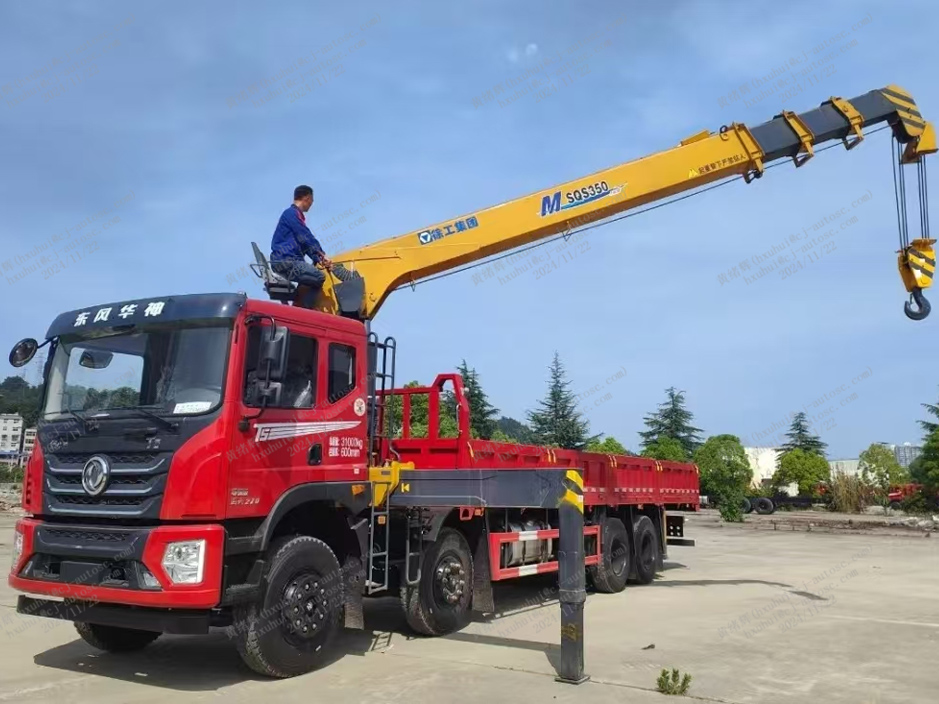
A truck crane is a versatile lifting machine mounted on a truck chassis. Its primary purpose is to lift and transport heavy loads across various job sites. These cranes combine mobility and power, making them ideal for tasks that require both lifting and moving capabilities. Whether it's lifting construction materials or equipment, truck cranes are essential in many industries.
Types of Truck Cranes
Truck cranes come in several types, each designed for specific applications. Here are some common varieties:
● Mobile Cranes: These cranes are highly flexible and can be easily moved from one location to another. They are ideal for urban construction sites where space is limited.
● Boom Trucks: A type of mobile crane, boom trucks have a telescoping boom that can extend to reach high places. They are often used in utility work, such as power line maintenance.
● Articulating Cranes: These cranes have joints in their arms, allowing for greater maneuverability. They are perfect for lifting loads in tight spaces.
Type of Truck Crane | Key Features | Typical Uses |
Mobile Cranes | High flexibility, easy to relocate | Construction, equipment installation |
Boom Trucks | Telescoping boom for extended reach | Utility work, maintenance |
Articulating Cranes | Jointed arms for maneuverability | Tight spaces, landscaping |
Key Components of a Truck Crane
Understanding the key components of a truck crane helps us appreciate its functionality. Here are the vital parts:
● Boom: The boom is the long arm that extends to lift loads. Its design and length significantly impact the crane's lifting capacity.
● Outriggers: These are stabilizing legs that extend from the crane's base. They provide balance when the crane is lifting heavy loads, preventing tipping.
● Cab: The operator's cab is where the crane is controlled. It includes controls for maneuvering the crane and monitoring load limits.
Overview of the Role of Truck Cranes in Various Industries
Truck cranes play a crucial role in multiple sectors, enhancing efficiency and safety. In construction, they are used for lifting steel beams and heavy equipment. In the utility industry, truck cranes assist in maintaining power lines and installing poles. Their mobility allows them to reach remote locations, making them invaluable for emergency services during natural disasters.
Industry | Role of Truck Cranes |
Construction | Lifting materials, setting structures |
Utilities | Installing and maintaining power lines |
Emergency Services | Rapid response for disaster recovery operations |
Truck cranes are indispensable tools, combining lifting power and mobility. Their diverse applications across industries highlight their importance in modern operations.
Key Factors Affecting Lifting Capacities
Boom Extension
Boom extension refers to how far the crane's boom can reach out to lift a load. The longer the boom extends, the less lifting capacity it generally has. This is due to the increased leverage and stress placed on the crane. For instance, if a truck crane has a maximum lifting capacity of 10,000 pounds at a short extension, that capacity might drop to 5,000 pounds at full extension.
It's crucial to consult the manufacturer’s capacity charts to determine effective lifting capacities at various boom extensions. These charts provide essential information, helping operators understand how much weight can be safely lifted at different reach levels.
Boom Extension (feet) | Lifting Capacity (pounds) |
10 | 10,000 |
20 | 7,500 |
30 | 5,000 |
Boom Angle
The boom angle plays a significant role in lifting operations. The angle at which the boom is positioned directly influences the crane's lifting capacity. A higher angle typically means a reduced lifting capacity, while a lower angle allows for heavier loads.
To illustrate this, imagine a crane lifting a load at a 30-degree angle compared to a 60-degree angle. At 30 degrees, the crane can lift more weight because the force is more directly aligned with the load.
Visual aids, such as diagrams, can help clarify these concepts. Below is a simple representation of how angle affects lifting capacity:
● 30-Degree Angle: Greater lifting capacity.
● 60-Degree Angle: Reduced lifting capacity.
Real-world examples show how operators must adjust their lifting strategies based on boom angles. For example, in construction, workers often need to lift heavy beams at specific angles to fit them into tight spaces. Understanding these dynamics is essential for safe and effective crane operation.
Load Distance
Load distance refers to how far the load is from the center of the crane's base. This distance is critical because it significantly impacts the crane's stability and lifting capacity. The farther the load is from the center, the more unstable the crane becomes, increasing the risk of tipping.
When calculating load distance, operators must consider not just the weight but also how far it is from the crane's pivot point. For example, lifting a 5,000-pound load 20 feet away from the center is much riskier than lifting the same load 10 feet away.
To ensure safe operation, it’s essential to calculate load distance accurately. Operators should always refer to the crane's specifications and load charts, which provide guidelines for safe lifting distances based on the crane's design.
Load Distance (feet) | Stability Level |
10 | High |
20 | Moderate |
30 | Low |
Understanding these key factors—boom extension, boom angle, and load distance—helps operators maximize the effectiveness of truck cranes while maintaining safety on the job site.
Service Truck Crane Capacity Categories
Light-Duty Electric Cranes
Light-duty electric cranes are designed for smaller lifting tasks, typically with a capacity range of 1,000 to 5,000 pounds. They often feature a reach of up to 30 feet, making them ideal for light construction work and maintenance tasks. These cranes are commonly used in residential settings, such as lifting HVAC units or small equipment.
Best Applications:
● Residential construction
● Small-scale maintenance and repair
● Utility work in urban areas
Advantages:
● Quiet operation, making them suitable for noise-sensitive environments.
● Lower operational costs due to electricity use.
● Easy to maneuver in tight spaces.
Disadvantages:
● Limited lifting capacity compared to heavier models.
● Not suitable for heavy-duty applications or rough terrain.
Typical Scenarios: Light-duty electric cranes are preferred when working in residential neighborhoods, where noise and space are concerns. For example, lifting air conditioning units onto rooftops or moving small construction materials on-site.
Medium-Duty Hydraulic Cranes
Medium-duty hydraulic cranes typically have a capacity range of 5,000 to 15,000 pounds, with a reach of up to 40 feet. These cranes are commonly found on mechanics trucks, making them essential for various automotive and light construction tasks. They are versatile and can handle a wide range of lifting jobs.
Common Uses:
● Automotive repair and maintenance
● Lifting building materials on construction sites
● Utility work, such as pole installation
Advantages:
● Greater lifting capacity than light-duty cranes.
● Hydraulic systems provide smooth lifting and lowering.
● Versatile enough for various applications.
Disadvantages:
● Higher operational costs than electric cranes.
● Requires more maintenance due to hydraulic systems.
Examples of Tasks: Medium-duty cranes are suitable for lifting engines out of vehicles, moving heavy machinery, or assisting in small construction projects. Their balance of power and maneuverability makes them a go-to choice for many service providers.
Heavy-Duty Hydraulic Cranes
Heavy-duty hydraulic cranes are built for the toughest jobs, with a capacity range of 15,000 pounds and above. These cranes can reach up to 60 feet or more, making them ideal for large construction projects and heavy equipment repair. They are essential tools in industries that require significant lifting power.
Applications:
● Heavy equipment repair in construction
● Lifting steel beams and large machinery
● Oil and gas industry applications
Advantages:
● Exceptional lifting capacity for heavy loads.
● Robust construction allows for use in harsh conditions.
● Advanced hydraulic systems for efficient operation.
Disadvantages:
● High initial investment and operational costs.
● Requires skilled operators for safe and effective use.
When to Choose Heavy-Duty Cranes: Heavy-duty cranes are necessary when the job involves lifting extremely heavy loads or working in challenging environments. For instance, in construction, they are used to lift large steel beams or heavy machinery, ensuring that projects run smoothly and safely.
Crane Type | Capacity Range | Typical Reach | Best Applications |
Light-Duty Electric Cranes | 1,000 - 5,000 pounds | Up to 30 feet | Residential work, small repairs |
Medium-Duty Hydraulic Cranes | 5,000 - 15,000 pounds | Up to 40 feet | Automotive, construction tasks |
Heavy-Duty Hydraulic Cranes | 15,000+ pounds | Up to 60+ feet | Heavy construction, equipment repair |
Understanding these capacity categories helps operators choose the right truck crane for their specific needs, ensuring safety and efficiency on the job site.
How to Read Service Truck Crane Load Charts
Importance of Load Charts for Operators
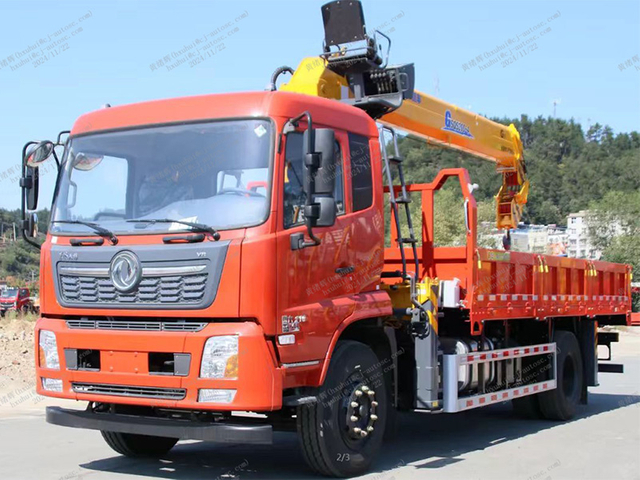
Load charts are essential tools for crane operators, providing critical information about the lifting capacities of truck cranes under various conditions. These charts help ensure safety by preventing overloading, which can lead to accidents and equipment failure. Understanding load charts allows operators to make informed decisions about lifting operations, optimizing both efficiency and safety on the job site.
Step-by-Step Guide on How to Read a Load Chart
Reading a load chart may seem daunting at first, but it becomes straightforward once you know what to look for. Here’s a step-by-step guide to help you navigate a typical load chart:
1. Identify the Crane Model: Always start by confirming the specific model of the crane. Each model has its unique load chart.
2. Locate the Boom Length: Find the section that corresponds to the boom length you will be using. Load capacities vary significantly with different boom lengths.
3. Determine the Boom Angle: Next, locate the boom angle you plan to use. This angle is crucial as it directly affects the lifting capacity.
4. Read the Load Capacity: Cross-reference the boom length and angle to find the maximum load capacity. This figure tells you how much weight the crane can safely lift at that specific configuration.
5. Check for Additional Factors: Some charts include notes about conditions such as ground stability or additional attachments, which can affect lifting capacity.
Examples of Load Charts from Manufacturers
To give you a clearer picture, let’s look at an example of a load chart from Load King, a well-known manufacturer of truck cranes.
Boom Length (feet) | Boom Angle (degrees) | Load Capacity (pounds) |
20 | 0 | 10,000 |
20 | 30 | 8,000 |
30 | 0 | 7,500 |
30 | 30 | 5,000 |
In this example, you can see how the load capacity decreases as the boom angle increases or the length extends. This information is vital for operators to ensure they do not exceed the crane's limits.
Tips for Interpreting Load Charts Effectively
Interpreting load charts effectively requires practice and attention to detail. Here are some tips to enhance your understanding:
● Familiarize Yourself with Terms: Understand terms like "load radius," "maximum capacity," and "operating conditions." Knowing these terms helps you read charts more easily.
● Use Visual Aids: Many load charts come with diagrams that illustrate how to set up the crane for different loads. These visuals can clarify complex information.
● Practice with Real Charts: Spend time practicing with actual load charts from the cranes you operate. The more familiar you become, the easier it will be to interpret them quickly.
● Consult Experienced Operators: Don’t hesitate to ask more experienced operators for tips. They can provide insights that you might not find in manuals.
By mastering the art of reading load charts, operators can enhance their safety and efficiency, ensuring that every lift is executed with confidence and precision.
Conclusion
Understanding service truck crane lifting capacities is crucial for safe operations. It helps prevent accidents and ensures efficiency on job sites. Operators should always consult manufacturer specifications and load charts to make informed decisions. For those seeking reliable cranes, Changjiang offers exceptional products with unique features that enhance performance and safety. Their commitment to quality ensures that customers receive valuable solutions tailored to their needs. For more information on their offerings, visit their website.
FAQ
Q: What is a truck crane's lifting capacity?
A: A truck crane's lifting capacity varies based on its model, boom length, and angle. Always refer to the manufacturer's load chart for specifics.
Q: How do I determine the right truck crane for my project?
A: Consider the weight of the loads you'll lift, the required reach, and the crane's capacity. Consult load charts to make an informed choice.
Q: Why is it important to understand truck crane load charts?
A: Understanding load charts helps prevent overloading, ensuring safety and efficiency during lifting operations.
Q: What are the advantages of using a truck crane?
A: Truck cranes offer mobility, versatility, and high lifting capacities, making them ideal for various construction and maintenance tasks.
Q: How can I troubleshoot issues with my truck crane?
A: Regular maintenance checks, consulting the operator's manual, and referring to load charts can help identify and resolve common issues.


