English


- 2026DATE08 - 14
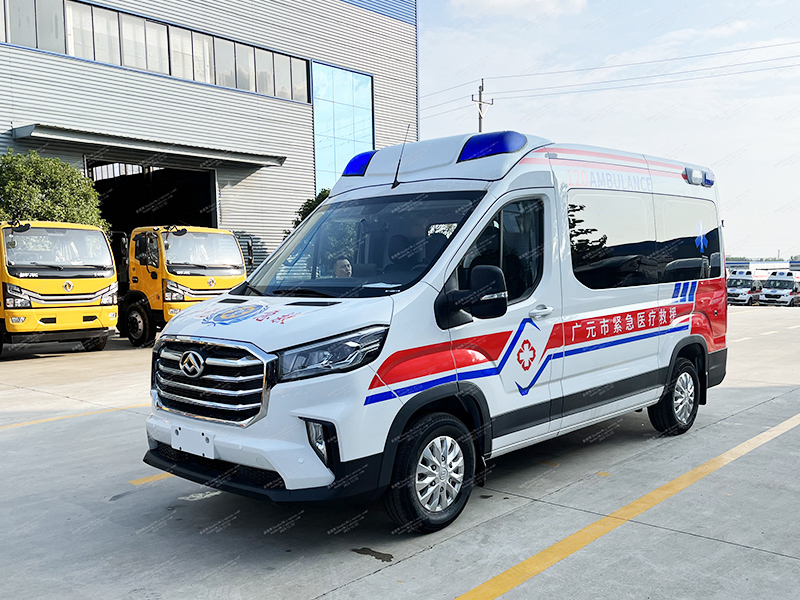 Procuring the right emergency rescue vehicle configuration is critical for sustaining municipal and regional disaster response when local infrastructure fails. This technical framework outlines essential selection criteria, including high-clearance terrain navigation, certified amphibious capabilities, and modular interior payloads for advanced medical stabilization and logistical support. By establishing multi-agency interoperability via FirstNet and satellite communications, fleet managers can deploy highly durable, grid-independent platforms that transition smoothly from immediate life-saving search and rescue (SAR) missions to long-term community infrastructure recovery.Read More
 - 2026DATE08 - 14
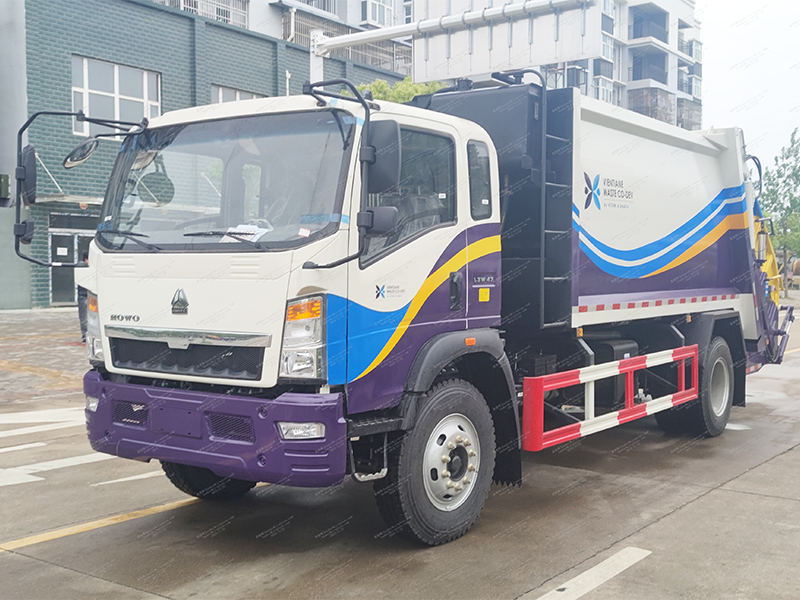 Selecting the optimal garbage truck configuration is vital for balancing municipal route efficiency against strict emission and community safety mandates. This guide evaluates core waste collection types—including automated side loaders, commercial front loaders, and heavy roll-offs—while detailing the mechanical workflows of high-pressure hydraulic compaction and horizontal ejection unloading systems. By analyzing the long-term total cost of ownership across diesel, compressed natural gas, and battery-electric powertrains, fleet managers can systematically integrate advanced telematics and active collision avoidance to transform high-frequency refuse collection into an optimized, data-driven network.Read More
 - 2026DATE08 - 14
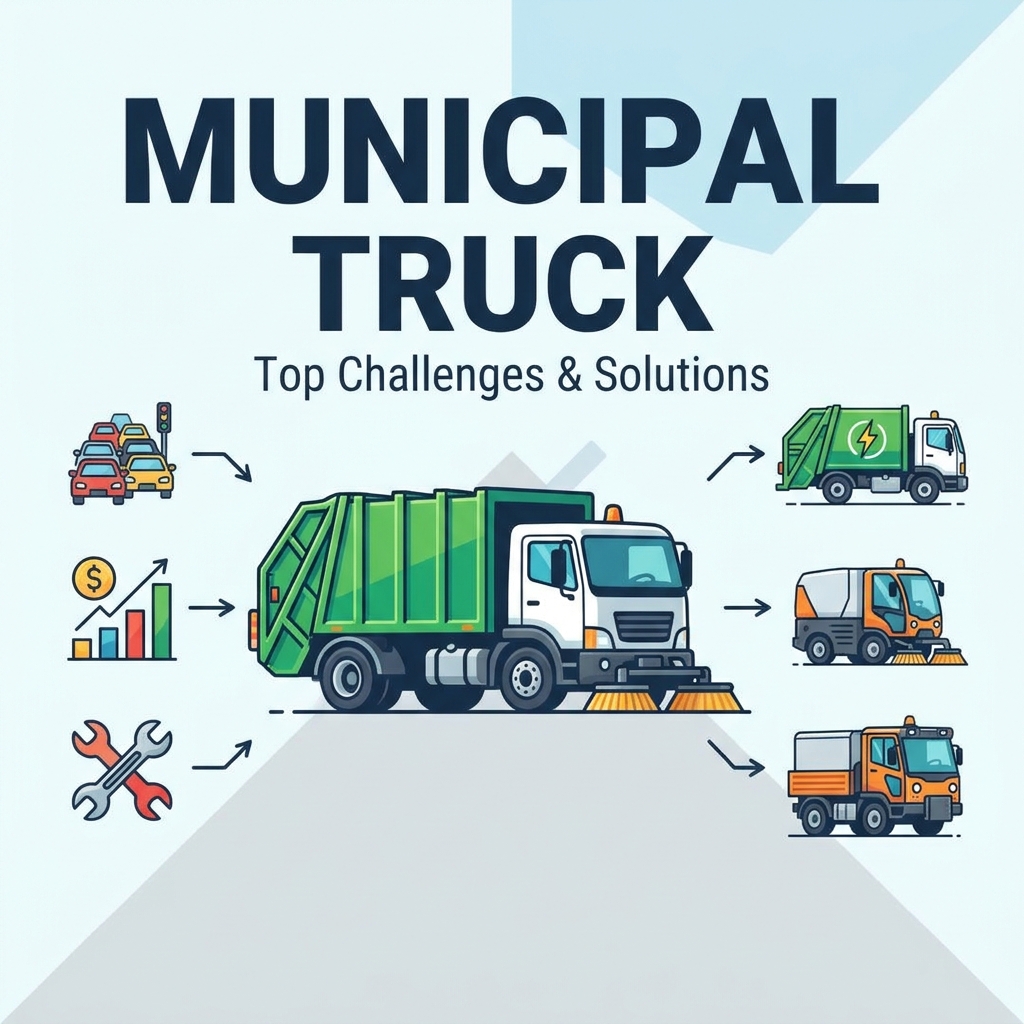 Procuring a specialized municipal truck requires fleet managers to balance rigorous performance demands against evolving environmental and technical constraints. This operational guide provides a structured framework for evaluating vocational chassis configurations, contrasting conventional layouts with highly maneuverable cab-over-engine designs for congested urban centers. By addressing critical variables like frame yield strength, front-engine power take-off integration, open-architecture diagnostic software access, and battery-electric depot charging limits, municipal fleets can systematically eliminate unscheduled vehicle downtime, lower long-term maintenance overhead, and guarantee zero-fail public service continuity.Read More
 - 2026DATE08 - 14
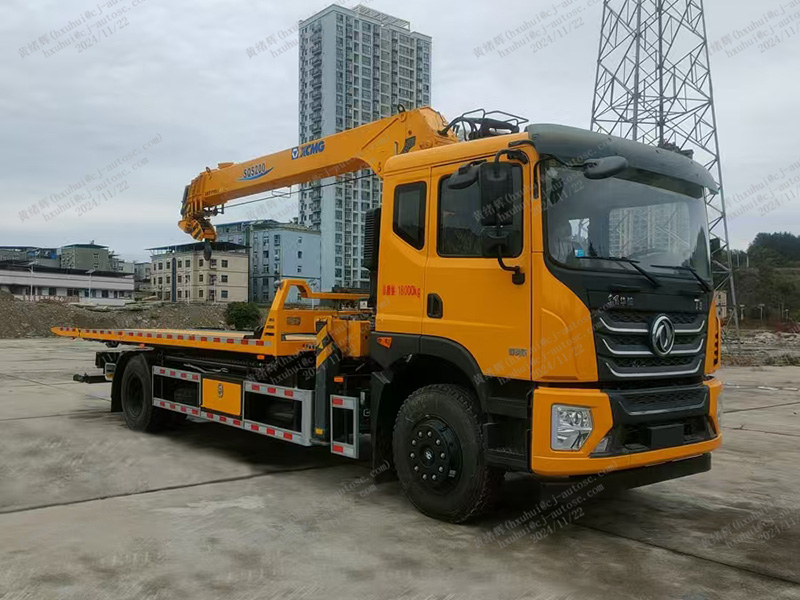 Learn how to spec the right flatbed truck. This guide covers payload, GVWR, bed materials, and configurations to optimize fleet efficienSelecting and spec'ing a commercial flatbed truck involves managing a delicate balance between maximum payload capacity, structural material durability, and total cost of ownership. This comprehensive guide details common flatbed trailer types—including standard decks, step decks, and heavy-duty RGNs—while offering a technical framework for evaluating chassis configurations and bed materials. By addressing crucial operational variables like wind resistance, driver physical safety, and FMCSA cargo securement mandates, fleet managers can significantly lower regulatory implementation risks and build a highly efficient open-deck transport system.cy.Read More
 - 2026DATE08 - 14
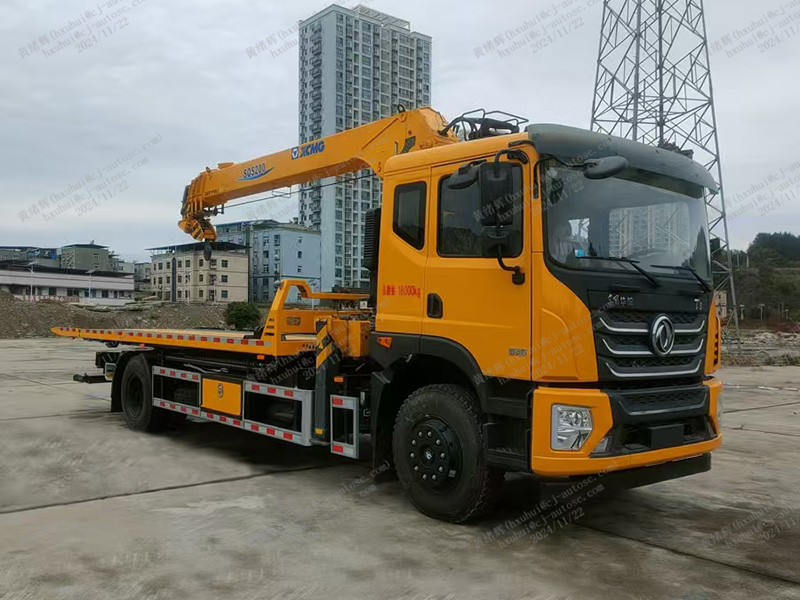 Selecting the ideal lowboy trailer requires a precise balance of structural capacity, deck dimensions, and strict DOT compliance. This article provides a comprehensive guide to evaluating heavy haul equipment, focusing on concentrated load capacities rather than just gross payload ratings. It compares hydraulic and mechanical removable gooseneck (RGN) types, analyzes vital deck specs, and breaks down complex lowboy axle configurations needed to satisfy regional bridge laws. By avoiding common buying pitfalls, fleet managers can secure a safe, durable transport platform tailored to their machinery footprint.Read More
