


Emergency Response and Recovery: The Role of Emergency Rescue Vehicle in Natural Disasters
Views: 0 Author: Site Editor Publish Time: 2026-08-14 Origin: Site


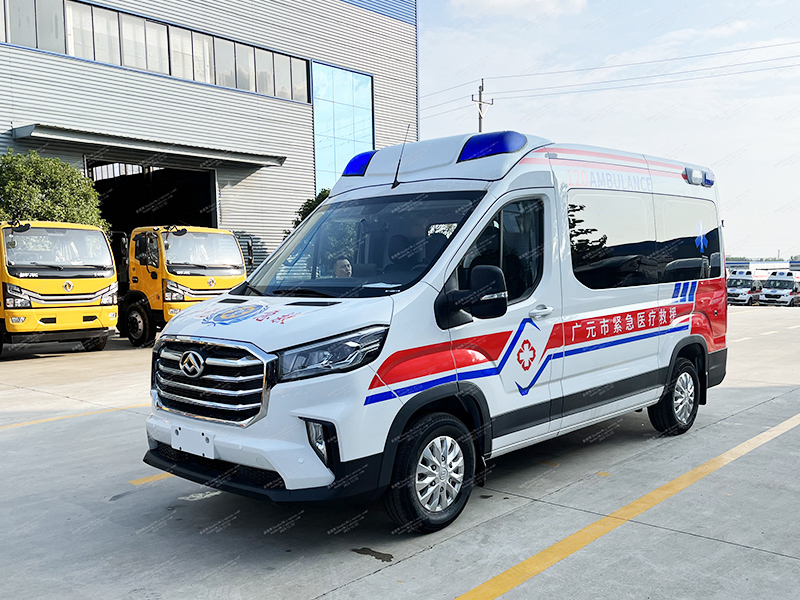
The escalating frequency and severity of natural disasters expose vulnerabilities in municipal, state, and tribal emergency response fleets. Standard emergency vehicles frequently fail in compromised environments. Flooded zones, debris-heavy urban areas, and off-grid rural regions stall immediate medical intervention and delay long-term recovery efforts. Bridging the gap between initial disaster impact and sustained community recovery requires specialized assets. This guide provides a technical evaluation framework for selecting and deploying an Emergency Rescue Vehicle. We focus on operational capabilities, inter-agency integration, and procurement trade-offs. You will learn how to match vehicle specifications to regional hazards. We also cover how to maintain communication across agencies when local grids fail. By the end, you will have actionable criteria to evaluate heavy-duty rescue platforms for your fleet.
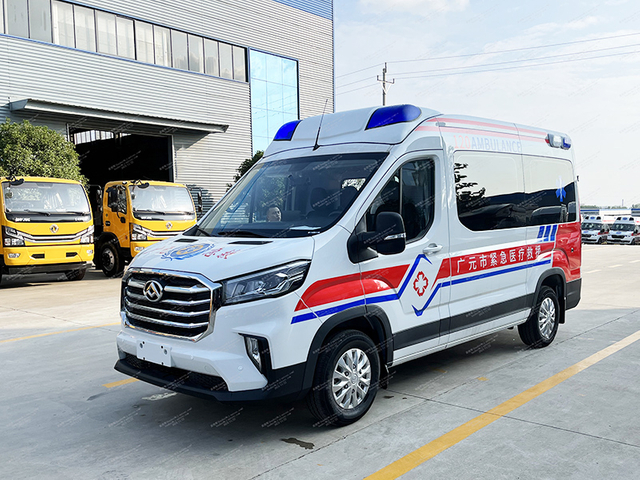
Key Takeaways
Mission-Specific Deployment: An effective emergency rescue vehicle must align with specific regional disaster profiles (e.g., amphibious capabilities for flood zones vs. high-clearance all-terrain for earthquake debris).
Multi-Tiered Interoperability: Procurement must account for communication and operational compatibility with federal, state, tribal, and territorial frameworks like the National Disaster Recovery Framework (NDRF), law enforcement, and medical NGOs.
Total Cost of Readiness: Evaluating these vehicles requires looking beyond the initial purchase price to factor in specialized operator training, maintenance logistics, and grid-independent reliability.
Phased Utility: The highest-ROI vehicles transition seamlessly from immediate search-and-rescue (SAR) operations to sustained logistical support during the prolonged recovery phase.
Table of Contents
How Emergency Rescue Vehicles Support Disaster Response Frameworks
Integration with National and Regional Recovery Frameworks
Specialized rescue vehicles play a foundational role in the National Disaster Recovery Framework (NDRF). They integrate directly into state, tribal, and territorial emergency management protocols. These platforms execute the core capabilities outlined by federal guidelines. They provide immediate mass search and rescue operations. They support critical transportation route restoration. Local agencies rely on these assets to navigate destroyed infrastructure safely when standard roads wash away.
Vehicle compliance with federal deployment standards dictates reimbursement eligibility. FEMA and other federal bodies require specific capability metrics. Vehicles must meet designated payload, communication, and operational thresholds. An Emergency Rescue Vehicle must document its utility in hazard mitigation plans. Agencies must prove the asset fills a documented capability gap. This ensures grant funding and deployment authorization during declared disasters. Without this documentation, municipalities bear the full financial burden of deployment.
The utility of these vehicles transitions over the disaster timeline. They begin with immediate life-saving interventions. Crews use them to extract trapped civilians and stabilize patients. As days pass, the mission shifts. The vehicles help restore, redevelop, and revitalize impacted communities. They transport utility crews to repair power grids. They carry structural engineers to assess bridge integrity. This phased utility maximizes the asset's value across the entire recovery lifecycle.
Multi-Agency Coordination and Interoperability
An extreme-duty vehicle acts as a central node for multi-agency response. Law enforcement, fire departments, and emergency medical services share these platforms. During catastrophic events, standard jurisdictional boundaries blur. A single heavy-duty platform might carry a paramedic, a sheriff's deputy, and a utility worker. This shared deployment requires versatile interior configurations and robust communication suites. Agencies must train together to maximize the effectiveness of these shared assets.
Law enforcement relies heavily on these assets during disaster response. They facilitate critical security patrols in compromised sectors. Officers use them for rapid evacuations ahead of floodwaters. Tactical search and rescue teams deploy from these vehicles into debris fields. They provide a secure, mobile command post. This deters looting and maintains order when standard cruisers cannot access the area. The physical presence of a heavy-duty vehicle establishes immediate authority in chaotic environments.
Standardized communication arrays are mandatory. Local cell towers fail quickly during hurricanes and earthquakes. Rescue platforms need VHF/UHF radios and satellite uplinks. FirstNet compatibility ensures prioritized bandwidth for first responders. These systems maintain command and control. They allow field teams to relay hazard data back to the emergency operations center. Without reliable communication, a rescue vehicle becomes an isolated island, unable to coordinate with the broader recovery effort.
NGO and volunteer operations integrate with municipal rescue assets. Organizations like the American Red Cross and Direct Relief distribute aid. They establish emergency shelters in hard-hit zones. Local governments often provide the heavy transport. They use their specialized fleets to move NGO medical supplies. This partnership accelerates relief distribution when standard delivery trucks cannot pass. Coordinating these efforts requires pre-planned logistical frameworks.
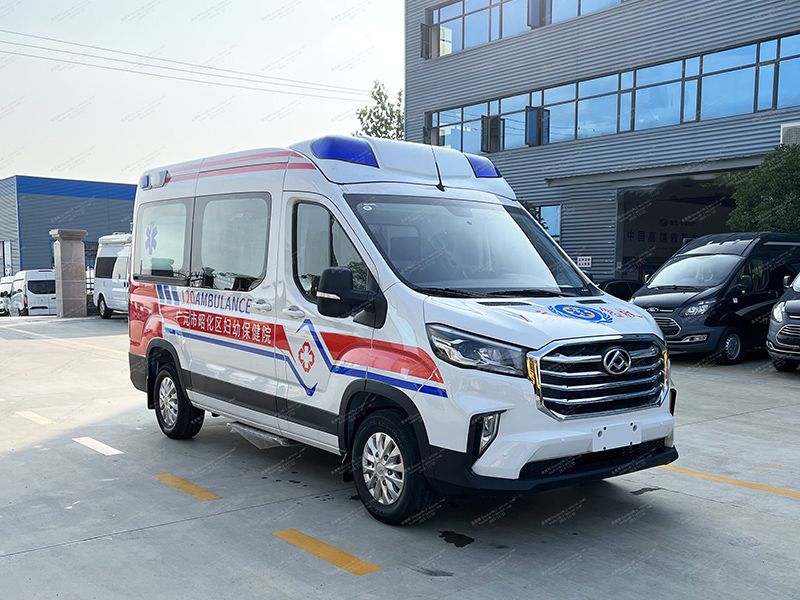
Key Technical Features to Look for in Off-Road Rescue Vehicles
Terrain Navigation and Amphibious Operations
Baseline requirements for debris-laden environments start with geometry. Ground clearance must exceed standard commercial truck limits. Approach and departure angles must allow steep embankment traversal. Track configurations distribute weight better over soft mud. Wheel configurations offer higher top speeds on cleared roads. Agencies must evaluate their primary hazards to choose the right setup. A vehicle designed for highway speed will fail in a swamp.
Extreme amphibious all-terrain platforms handle flood and hurricane response. SHERP-type vehicles excel in these scenarios. They feature massive water displacement capabilities. Specialized propulsion methods, like paddle-tread tires, drive the vehicle through water. Current-resistance thresholds determine safe operational limits in moving floodwaters. These features prevent the vehicle from being swept away during swift-water rescues. Operators must understand the buoyancy limits of their specific platform.
Success criteria depend on operating in compromised infrastructure scenarios. Collapsed bridges force vehicles into ravines. Washed-out roads require deep mud navigation. Swampland demands low ground pressure to prevent sinking. A successful platform navigates these obstacles without external winching. It maintains forward momentum while fully loaded with rescue personnel. Field testing in local environments validates these capabilities before a disaster strikes.
Payload, Patient Transport, and Medical Support Capacity
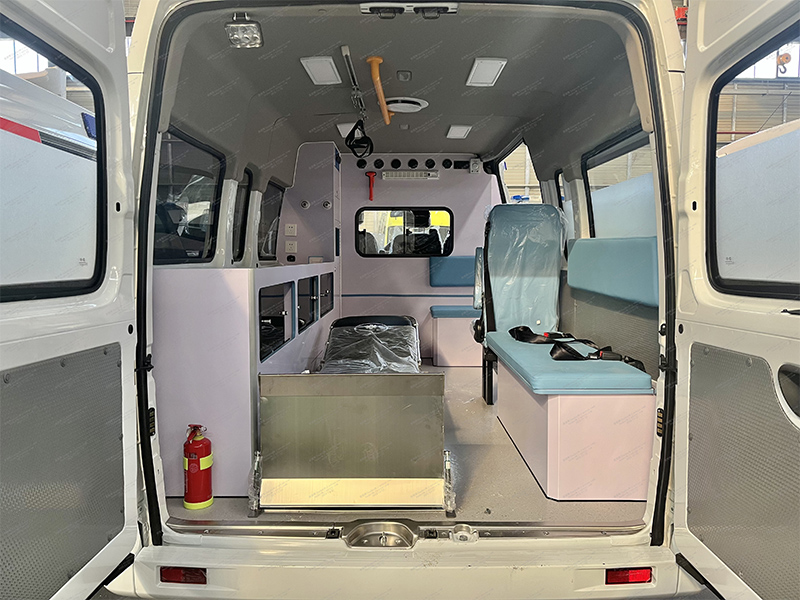
Interior volume dictates medical support capabilities. The cabin must accommodate emergency first aid and advanced life support equipment. Secure patient transport requires dedicated stretcher mounts. Paramedics need vertical space to perform CPR and administer IVs. The suspension must absorb extreme off-road shocks to prevent further patient injury. A rough ride can exacerbate spinal injuries or disrupt intravenous lines.
These vehicles serve as mobile micro-clinics. Local healthcare facilities sustain damage or lose power. A well-equipped rescue truck becomes a triaging hub. Medical staff stabilize multiple casualties simultaneously. They provide climate-controlled environments for trauma victims. This capability saves lives when helicopter evacuations are grounded by weather. The vehicle must carry enough medical oxygen and trauma supplies to operate independently for hours.
Payload capacities determine logistical effectiveness. Crews deliver critical supplies without compromising vehicle mobility. Potable water, medical rations, and portable generators weigh thousands of pounds. The chassis and drivetrain must handle this weight in deep mud. Overloading a vehicle reduces its ground clearance and amphibious buoyancy. Operators must calculate payload limits strictly to avoid getting stuck in hazardous zones.
Modularity is a critical success factor. Crews reconfigure the cabin rapidly. A mass-casualty transport setup uses bench seating and stretcher racks. A logistical supply carrier setup requires flat cargo space and tie-downs. Quick-release mounting systems allow field operators to swap configurations in minutes. This adaptability keeps the vehicle active across different mission profiles. A rigid interior design limits the vehicle's overall utility.
Grid-Independent Operations and Durability
Disrupted supply chains demand grid-independent operations. Fuel efficiency extends mission duration when gas stations lose power. Auxiliary fuel tank integration provides days of continuous operation. Operational range dictates how far crews can push into disaster zones. Diesel engines provide the best balance of torque and fuel economy for these tasks. They also allow for the storage of fuel over longer periods compared to gasoline.
Onboard power generation runs critical equipment. Inverters convert battery power for medical monitors. PTO-driven generators power external scene lighting and heavy rescue tools. This eliminates the need to tow separate generator trailers. It streamlines the vehicle's footprint in tight, debris-filled streets. Reliable power keeps communication arrays broadcasting. Dual-alternator setups ensure the vehicle battery does not drain while idling at a rescue scene.
Structural durability metrics define crew safety. Roll-over protection structures prevent cabin crush in steep terrain. Reinforced undercarriages protect drivetrains from submerged debris. Puncture-resistant tire technologies keep the vehicle moving over nails and sharp metal. These features ensure the rescue team does not become stranded. A disabled rescue vehicle creates a secondary emergency that drains resources from the primary mission.
Choosing the Right Rescue Vehicle for Every Phase of Disaster Recovery
Immediate Response: Search, Rescue, and Triage
The first 72 hours post-disaster prioritize specific vehicle configurations. Teams need high mobility and rapid extraction capabilities. Amphibious units deploy immediately into flood zones. Tracked vehicles push through fresh earthquake debris. The focus is on reaching trapped individuals. Crews prioritize immediate medical stabilization over heavy material transport. Speed and agility dictate success during this initial window.
Vehicle scalability matters during this phase. Platforms scale from localized emergencies to catastrophic events. A residential structure fire requires localized support. A multi-county natural disaster requires fleet-wide deployment. The same vehicle handles a localized flash flood and a Category 5 hurricane storm surge. Scalability ensures the asset does not sit idle during smaller crises. It justifies the procurement by providing daily operational value.
Agencies evaluate trade-offs between speed and extraction power. Lighter vehicles deploy faster and navigate tighter spaces. Heavy-duty trucks carry larger hydraulic rescue tools but move slower. A balanced fleet utilizes both. Fast response units conduct initial triage. Heavy units follow up for complex extrications and mass transport. Coordinating these different vehicle classes requires a robust dispatch protocol.
Sustained Recovery: Logistics and Infrastructure Assessment
Weeks 2 through 12 mark the restoration and revitalization phase. Vehicle configurations shift to logistical support. High-payload transport becomes the priority. Crews move rebuilding materials into isolated neighborhoods. They transport utility crews to repair substations. Long-range infrastructure damage assessment requires reliable off-road travel. The vehicle transitions from a sprint to a marathon pace.
Heavy winching capabilities clear roads for standard vehicles. Debris clearing attachments push fallen trees and rubble aside. Towing capacities allow the rescue vehicle to move disabled municipal trucks. This sustained utility justifies the initial procurement. The vehicle remains active long after the initial search and rescue phase concludes. It becomes a workhorse for the public works department.
Procurement Guide: Specialized Platforms vs. Multi-Role Assets
Specialized Platforms vs. Multi-Role Assets
Procurement teams compare highly specialized vehicles against multi-role assets. Dedicated amphibious units excel in deep water but lack highway speed. Multi-role, up-armored trucks drive on highways but sink in swamps. Agencies analyze the operational value of each. Financial trade-offs exist between niche capabilities and multi-role limitations. A specialized vehicle might sit unused for years, while a multi-role truck deploys weekly.
Matching vehicle type to historical disaster data is essential. A coastal city prioritizes water rescue. A mountain town prioritizes snow and rockfall navigation. Risk assessments guide the procurement process. Buying an amphibious vehicle for a desert municipality wastes resources. Data-driven decisions ensure the fleet meets actual operational needs. Review past deployment logs to identify recurring capability gaps.
Comparison: Specialized vs. Multi-Role Rescue Vehicles | ||
Feature | Specialized Platform (e.g., Amphibious) | Multi-Role Asset (e.g., Up-Armored Truck) |
|---|---|---|
Primary Environment | Deep water, swamps, extreme mud | Debris fields, broken pavement, shallow water |
Highway Speed | Low (often requires trailering) | High (can self-deploy rapidly) |
Payload Capacity | Moderate (limited by buoyancy) | High (heavy chassis and suspension) |
Versatility | Niche applications | Broad applications across daily operations |
Maintenance, Training, and Fleet Scalability
Specialized maintenance carries hidden logistical requirements. Proprietary parts take time to source. Agencies need certified mechanics on staff to service extreme-duty drivetrains. Standard municipal garages cannot always handle complex amphibious seals or track systems. Planning for these maintenance realities keeps the fleet operational. A broken vehicle is useless during a crisis.
Fleet scalability influences procurement strategy. Is it more effective to have one heavy-duty rescue vehicle or three lighter units? Three lighter units cover more ground simultaneously. One heavy unit handles tasks the lighter ones cannot. The decision depends on the jurisdiction's size and population density. A mix often provides the best coverage. Regional mutual aid agreements can supplement local fleet limitations.
Lifecycle longevity impacts long-term planning. Extreme-duty emergency vehicles face harsh conditions. Saltwater exposure accelerates corrosion. Heavy debris impacts damage suspensions. Agencies assess depreciation rates. They need replacement schedules based on engine hours and deployment frequency, not just calendar years. Regular undercarriage washing and preventative maintenance extend the vehicle's usable life.
Common Fleet Deployment Risks and How to Mitigate Them
Operator Training and Certification Bottlenecks
High-capability vehicles require specialized driving and operational skills. Untrained operators risk vehicle loss or mission failure. Rolling an amphibious vehicle in fast water is a fatal mistake. Misusing a heavy winch snaps cables and causes injury. The equipment is only as effective as the person behind the wheel. Agencies cannot hand the keys to an untrained responder and expect success.
Mandate vendor-provided, train-the-trainer certification programs during procurement. This builds internal training capacity. Establish quarterly internal drills. Run operators through simulated disaster scenarios. Practice water entries, steep inclines, and night operations. Consistent training mitigates the risk of operator error during high-stress deployments. Document all training hours to maintain liability protection.
Supply Chain and Parts Availability During Crises
Specialized vehicles break down during deployments. If they require proprietary replacement parts, the asset becomes useless. Supply chains freeze during natural disasters. You cannot overnight a custom axle when the airport is flooded. This creates a severe operational bottleneck. A multi-million dollar asset sits idle for the want of a fifty-dollar belt.
Require comprehensive spare parts caches as part of the initial purchase order. Stock belts, filters, and specialized tires locally. Ensure the vehicle utilizes standard commercial off-the-shelf engine components where possible. A custom chassis with a standard commercial engine is easier to repair. Local mechanics source engine parts from standard suppliers. This keeps the vehicle running when external supply lines fail.
Conclusion
Maximizing disaster readiness requires procurement teams to look beyond basic vehicular capabilities, carefully considering long-term training logistics, multi-agency communication interoperability, and modular payload configurations. Deploying heavy-duty assets that seamlessly transition from critical search-and-rescue sprints to sustained structural recovery operations ensures high regional utility and resilient infrastructure support.
To streamline the procurement and custom upfitting of severe-duty emergency fleets, selecting an experienced manufacturing partner is essential. As a major provider of industrial and specialty fleet solutions, Changjiang Automotive Industrial Supply Chain Co., Ltd. designs robust commercial and emergency response platforms engineered to withstand severe environments. They act as a globally recognized, Reliable Manufacturer of Passenger Cars & Fire Trucks - CJQC providing customizable chassis designs and heavy hydraulic integrations that meet strict municipal safety and performance parameters.
Execute the following strategic actions to optimize your upcoming fleet procurement program:
Conduct a localized disaster risk assessment using historical hazard data to define specific terrain and payload requirements.
Request field demonstrations from vendors in simulated extreme environments to validate manufacturer claims.
Review federal grant eligibility for emergency management fleet modernization to offset initial procurement costs.
Establish a cross-agency committee to define shared payload, communication, and medical support requirements.
Mandate vendor-provided, train-the-trainer certification programs in the final purchase contract to ensure long-term operator proficiency.
FAQ
Q: What defines an emergency rescue vehicle compared to a standard ambulance?
A: An emergency rescue vehicle is engineered for extreme environments. It features high-clearance, all-terrain, or amphibious capabilities. It includes reinforced structures and grid-independent power. Standard ambulances are typically designed for paved roads and rely on functioning municipal infrastructure.
Q: How do emergency rescue vehicles support the National Disaster Recovery Framework (NDRF)?
A: They facilitate the core capabilities outlined in the NDRF. They enable rapid damage assessment and restore critical supply chains to isolated communities. They provide the logistical backbone for multi-agency recovery operations across federal, state, tribal, and territorial boundaries.
Q: What are the most critical features to look for in a flood response vehicle?
A: Key features include certified amphibious capabilities and high water-fording depths. Sealed electrical systems and specialized propulsion, such as paddle-tread tires, are essential. A low center of gravity resists water currents and prevents rollovers.
Q: Are specialized emergency rescue vehicles eligible for FEMA or federal grant funding?
A: Yes, many municipalities secure funding through FEMA’s Homeland Security Grant Program (HSGP) or the Emergency Management Performance Grant (EMPG). The vehicle must address a documented capability gap in the region's hazard mitigation plan.
Q: How much specialized training is required to operate these vehicles?
A: Training requirements vary by platform. They generally require extensive, vendor-led certification. This covers off-road navigation, water entry/exit protocols, winch operations, and emergency field maintenance.
Q: Can these vehicles be integrated into volunteer or NGO disaster relief efforts?
A: Absolutely. Organizations like the Red Cross and Direct Relief frequently coordinate with local emergency management. They utilize these vehicles for delivering first aid, transporting volunteers, and distributing medical supplies in hard-to-reach disaster zones.


