


Flatbed Trucks: The Ultimate Guide
Views: 0 Author: Site Editor Publish Time: 2026-08-14 Origin: Site


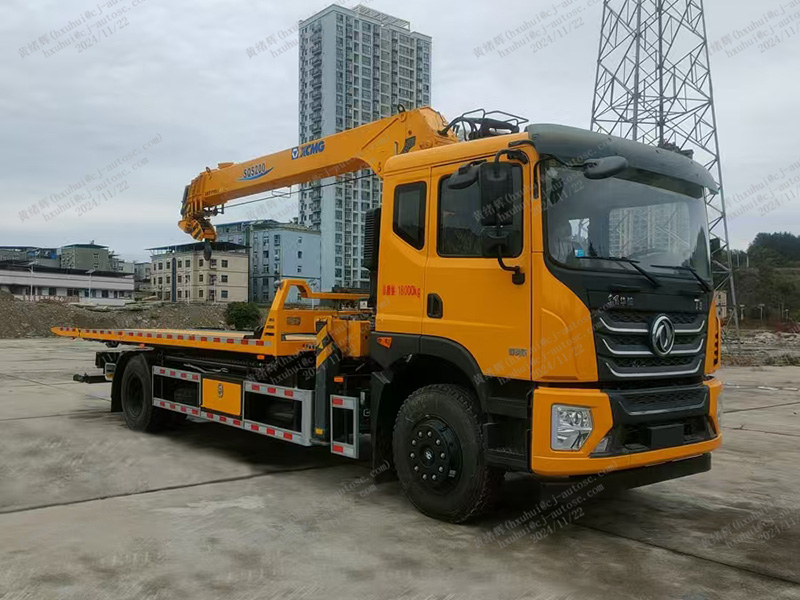
Deploying the wrong commercial vehicle introduces severe financial and operational risks to your fleet. When specifications are mismatched, operators face compromised payload limits, accelerated equipment wear, and steep regulatory fines. The core problem lies in balancing Gross Vehicle Weight Rating (GVWR), bed materials, and powertrain requirements against long-term operational efficiency. Fleet managers and owner-operators must navigate a complex matrix of structural and regulatory demands before committing to a chassis or trailer configuration.
This guide serves as a technical, decision-focused framework designed to help procurement teams and operators evaluate, spec, and invest in Flatbed Trucks that align with specific hauling requirements. By understanding the mechanical trade-offs and compliance mandates, you can optimize your fleet for maximum capability and safety on the road.
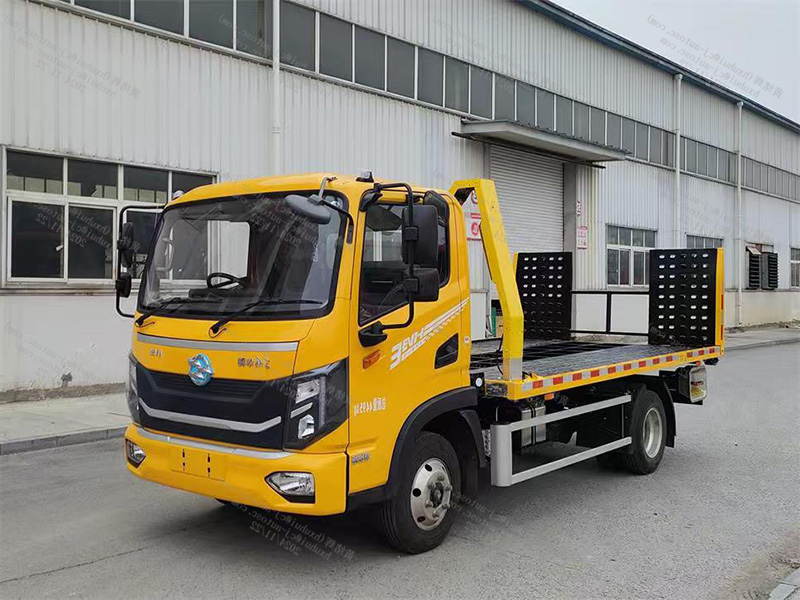
Payload vs. Weight Trade-offs: Selecting the right bed material (steel vs. aluminum) directly impacts unladen weight, dictating maximum legal payload capacity and long-term fuel economy.
Configuration Dictates Capability: Standard flatbeds, step decks, and RGNs serve distinctly different operational profiles; misaligning trailer type with cargo type results in lost bids and compliance failures.
TCO Extends Beyond Acquisition: True ROI depends on factoring in specialized insurance rates, accelerated tire wear, market rate fluctuations, and the ongoing costs of cargo securement equipment.
Compliance is Non-Negotiable: Strict adherence to FMCSA cargo securement regulations requires specific structural tie-down points and bulkheads built into the initial truck spec.
Table of Contents
How to Choose the Right Flatbed Truck for Your Fleet
Analyzing Primary Cargo Profiles and Dimensions
Establishing baseline requirements starts with analyzing your most frequent freight. Hauling palletized construction materials demands different structural support than transporting heavy machinery or oversized industrial components. You must evaluate dimensional constraints, including length, width, and height limitations. These dimensions dictate the necessity for specialized drop-deck or low-profile configurations. If your standard cargo frequently exceeds standard height limits, a traditional deck height will result in costly routing delays and the need for continuous oversize permitting.
Consider the specific footprint of your loads. A 48-foot deck might suffice for standard lumber bunks, but hauling 50-foot structural steel beams requires a 53-foot setup or an extendable trailer. Weight distribution also matters. Concentrated loads like steel coils require tightly spaced crossmembers, whereas evenly distributed palletized goods can sit on standard 18-inch crossmember spacing without risking deck failure.
Payload Capacity vs. Gross Vehicle Weight Rating (GVWR)
The mathematical relationship between chassis weight, bed weight, and maximum allowable payload is the foundation of commercial hauling. GVWR represents the absolute maximum weight a vehicle can safely weigh when fully loaded. Specifying a higher GVWR directly impacts licensing requirements, pushing drivers into different Commercial Driver's License (CDL) thresholds. Furthermore, higher weight ratings alter toll classifications and federal excise tax obligations.
Operators must calculate the exact unladen weight of their chosen configuration to determine true payload capacity. Every pound of unnecessary structural steel on the truck reduces the amount of revenue-generating freight you can legally haul. For example, a heavy-spec tractor paired with an all-steel trailer might weigh 36,000 pounds empty, leaving only 44,000 pounds for cargo under the federal 80,000-pound limit. Shaving 3,000 pounds off the tare weight through aluminum components directly increases your maximum payload and broadens the types of loads you can accept.
Operational Trade-offs: Open Deck Transport vs. Enclosed Hauling
Open deck transport offers distinct advantages and disadvantages compared to enclosed hauling. The primary benefit is loading efficiency. Open decks allow for rapid crane and forklift side-loading capabilities, accommodating irregular or oversized freight that cannot fit through dry van doors. You can load a flatbed from the top, sides, or rear, making it highly versatile on active construction sites.
However, this flexibility comes with exposure to weather elements, increased security risks, and the need for specialized securement labor. Tarping and chaining require physical exertion and time, which impacts overall route efficiency. Fleet managers must weigh the higher rate-per-mile of open deck freight against the increased labor and equipment protection costs. Drivers spend significantly more time outside the cab securing loads, which can lead to fatigue and increased injury risk compared to simply bumping a dock with a dry van.
Route Realities and Environmental Factors
Operational geography heavily influences powertrain selection and chassis configuration. Navigating mountainous terrain requires high-torque engines and aggressive engine braking systems to manage heavy loads safely on downgrades. You need a powertrain that can hold steady speeds on long climbs without overheating. Conversely, flat highway long-haul operations benefit from fuel-efficient gearing and aerodynamic enhancements.
Urban navigation demands a tighter turning radius, favoring shorter wheelbases and potentially cab-over engine designs. Maneuvering a 53-foot trailer through tight city intersections requires a completely different setup than running straight interstates. Environmental factors, such as heavy road salt usage in northern climates, also dictate the necessity for advanced corrosion protection on exposed frame rails and crossmembers. Galvanized steel or aluminum components become necessary investments when operating in highly corrosive winter environments.

Flatbed Trailer Types and Setup Options Explained
Standard Flatbed Trucks (Straight Trucks and Trailers)
The baseline 48-foot to 53-foot configurations represent the workhorses of the open deck industry. These units provide a uniform, flat surface typically sitting around 60 inches off the ground. They are optimal for palletized freight, lumber, scaffolding, and standard-height machinery. The uniform deck allows for maximum linear loading space, making it easy to secure multiple smaller loads or long, rigid materials like steel pipes.
Their standard height restricts them from carrying cargo taller than 8.5 feet without triggering oversize regulations. When hauling standard building materials, the flat, uninterrupted deck allows forklifts to load rapidly from either side. The simplicity of the design also means fewer moving parts, resulting in lower maintenance demands compared to specialized trailers.
Step Decks (Drop Decks) and Double Drops
Step decks offer a structural advantage by featuring a lower deck height behind the tractor clearance area. This drop accommodates taller cargo, such as agricultural equipment or large generators, without requiring oversize permits for height. The trade-off is a reduction in continuous usable deck space, as the upper deck is significantly shorter.
Loading wheeled equipment onto the lower deck often necessitates heavy-duty loading ramps. Double drops lower the center well even further, providing maximum height clearance but severely limiting ground clearance. This low ground clearance requires careful route planning over railroad crossings, steep driveways, and uneven terrain to prevent high-centering the trailer and causing catastrophic structural damage.
Removable Goosenecks (RGN) and Lowboys
Heavy-haul and drive-on equipment require the specialized technical specifications of Removable Goosenecks (RGN) and lowboys. These configurations allow the front of the trailer to detach, creating a direct ground-level ramp for excavators, bulldozers, and heavy agricultural machinery. They offer unparalleled capacity for massive loads.
The hydraulic detachment systems introduce increased maintenance complexity. Operators must regularly inspect hydraulic lines, cylinders, and locking mechanisms. The heavy tare weight of an RGN also significantly reduces the legal payload capacity for standard freight, making them highly specialized assets. You do not use an RGN to haul pallets of shingles; they are purpose-built for moving heavy iron.
Specialty Flatbed Variations (Stretch, Side-Kit, and Conestoga)
Extendable stretch configurations provide utility for extremely long loads, such as wind turbine blades or structural bridge beams. These trailers feature a telescoping frame that expands to accommodate the cargo and retracts for empty transit. Operating a stretch trailer requires advanced driver skill to manage the massive swing radius and off-tracking during turns.
Conestoga and side-kit systems offer rolling tarp solutions that protect sensitive cargo while preserving side-loading mechanics. A Conestoga uses a sliding track system to enclose the deck in minutes, eliminating the physical danger and time consumption of manual tarping. While these systems add upfront weight penalties, they drastically improve driver retention and cargo protection by keeping operators off the top of dangerous loads.
Technical Specs to Look For When Customizing Your Flatbed
Bed Materials: Steel vs. Aluminum vs. Composite
Selecting the correct bed material dictates the lifecycle and operational capability of the vehicle. Each material presents distinct advantages depending on the hauling environment.
Material Type | Primary Advantages | Operational Drawbacks | Best Use Case |
|---|---|---|---|
Steel | High durability, handles concentrated point loads, easy to weld and repair. | Heavy unladen weight, highly susceptible to rust and corrosion. | Heavy construction, scrap hauling, localized high-abuse environments. |
Aluminum | Significant weight savings, naturally corrosion-resistant, maximizes payload. | Requires specialized welding for repairs, can crack under extreme point loads. | Long-haul freight, weight-sensitive cargo, corrosive winter environments. |
Composite/Wood | Excellent traction for tracked machinery, absorbs impact well. | Requires periodic replacement due to rot, gouging, or weather degradation. | Machinery hauling, mixed-freight operations requiring nailing blocks. |
Powertrain and Chassis Selection for Heavy Hauling
Matching engine torque curves and horsepower to the anticipated maximum gross combined weight rating (GCWR) ensures the vehicle performs efficiently without overworking the drivetrain. Heavy hauling requires high low-end torque to initiate movement and maintain speed on grades. Specifying a 15-liter engine with 1,850 lb-ft of torque provides the necessary grunt for pulling 80,000 pounds up a mountain pass.
Axle configurations must be tailored to load distribution. Single axles suffice for lighter straight trucks, while tandem and tridem setups are mandatory for distributing heavy, concentrated loads legally across the pavement. Suspension types also play a critical role. Air ride suspensions provide superior cargo protection and adjustable deck heights, whereas spring suspensions offer rugged simplicity for off-road construction environments where air bags might puncture.
Bulkheads, Tie-Downs, and Cargo Control Systems
Structural integration of headache racks, or bulkheads, is a critical safety requirement to protect the crew from forward-shifting cargo during hard braking. A DOT-rated bulkhead can stop a shifting steel coil from crushing the cab. The placement and rating of cargo control systems dictate the versatility of the deck.
Winches, J-hooks, stake pockets, and rub rails must be strategically spaced to ensure compliant load securement for various freight shapes. Specifying sliding winches on a continuous track offers maximum flexibility compared to fixed winches, allowing drivers to position straps exactly where the cargo requires support. All tie-down points must possess a clearly defined Working Load Limit (WLL) that exceeds anticipated cargo demands.

Crew Ergonomics, Tooling Storage, and Operational Productivity
Designing configurations that optimize crew cycle times directly impacts route efficiency. Ergonomic step locations, integrated grab handles, and manageable deck height access reduce physical strain and injury risks for operators who must frequently climb onto the bed. Slips and falls from flatbed decks are a leading cause of driver injury.
Auxiliary equipment storage is equally important. Custom underbody toolboxes, dunnage racks, and dedicated rack systems for chains and binders keep the deck clear and protect expensive securement gear from weather and theft. Well-organized storage drastically reduces the time spent preparing a load for transit. When a driver knows exactly where every chain and binder is located, they can secure a load and get back on the road faster.
The 20-Point Flatbed Spec'ing Validation Checklist
Run through this actionable checklist prior to placing a vehicle order to ensure all operational requirements are met:
Verify GVWR and unladen weight calculations.
Confirm bed material aligns with payload goals.
Check structural crossmember spacing (e.g., 12-inch vs. 18-inch).
Validate the Working Load Limit (WLL) of all tie-down points.
Ensure adequate spacing of stake pockets and rub rails.
Verify the inclusion and rating of a DOT-compliant bulkhead.
Check for integrated sliding winch tracks.
Confirm suspension type matches operational terrain.
Validate axle weight ratings and spacing.
Ensure electrical connections are sealed and routed securely.
Check the lighting package for high-visibility LED upgrades.
Verify landing gear placement and weight capacity.
Confirm corrosion protection coatings on exposed steel.
Check paint specifications and primer quality.
Ensure adequate underbody tool storage capacity.
Verify the presence of dunnage racks.
Check ergonomic step and grab handle placement.
Confirm flooring material traction and durability.
Validate powertrain torque ratings against expected GCWR.
Ensure all specifications meet local and federal bridge laws.
Buying Strategies, Operational Costs, and Financial ROI
Acquisition Strategies: New vs. Used vs. Leasing
Procuring open deck equipment requires evaluating immediate availability against long-term reliability. New custom-spec units allow fleets to tailor every component to their exact cargo profile, ensuring maximum efficiency. However, the lead time for custom builds can stretch for months. Used models offer immediate deployment capabilities but often carry hidden maintenance debt, particularly regarding stressed crossmembers or fatigued suspension components.
Full-service leasing models provide a hedge against unpredictable maintenance costs and equipment depreciation. Leasing allows fleets to operate late-model equipment with predictable monthly expenses, shifting the burden of major repairs back to the lessor. This strategy proves highly effective for operations scaling rapidly or testing new regional markets without committing heavy capital to permanent assets.
Flatbed Rate Dynamics, Cost-Per-Mile (CPM) Metrics, and Revenue Potential
Understanding industry spot and contract rates is essential for maximizing revenue. Open deck freight generally commands higher rates than dry van freight due to the specialized labor and equipment required. Profitability hinges on accurately calculating a specialized Cost-Per-Mile (CPM) that accounts for unique operational expenses.
Your CPM must factor in tarping fees, oversize permit costs, and deadhead miles. Tarping a load requires significant time and physical effort, and drivers must be compensated accordingly. Additionally, hauling specialized freight often means running empty (deadheading) to the next specific load, which dilutes overall revenue. Accurate CPM calculations ensure you only accept freight that genuinely contributes to the bottom line.
Maintenance, Wear Parts, and Fuel Economy
High-weight hauling accelerates wear on critical components. Tires and brakes degrade much faster when consistently operating near the 80,000-pound limit. Fleets must implement aggressive preventative maintenance schedules, frequently checking brake pad thickness and tire tread depth to avoid out-of-service violations.
Aerodynamics present a massive challenge for open deck operations. Unlike a smooth dry van, a loaded flatbed creates severe wind resistance, drastically reducing fuel economy. Strategies to mitigate fuel consumption include installing aerodynamic bulkheads, utilizing low rolling resistance tires, and training drivers on progressive shifting techniques to maintain momentum without over-revving the engine.
Insurance Premiums and Liability
The open nature of the equipment directly impacts cargo insurance rates. Freight is exposed to weather, road debris, and theft, increasing the likelihood of claims. Insurers calculate premiums based on the specific commodities hauled; transporting high-value machinery or sensitive steel coils carries significantly higher liability than hauling rough lumber.
Hauling oversized or high-risk freight further elevates insurance costs. Fleets must maintain robust safety records and demonstrate strict adherence to securement protocols to negotiate favorable insurance rates. Investing in driver training and high-quality securement equipment often yields direct returns through lower annual premiums.
Handling Open-Deck Safety Risks and DOT Compliance
Navigating FMCSA Cargo Securement Regulations
The Federal Motor Carrier Safety Administration (FMCSA) enforces strict cargo securement regulations. Legal requirements dictate specific tie-down limits, aggregate Working Load Limits (WLL), and mandatory edge protection for sharp freight. The aggregate WLL of all securement devices must equal at least 50% of the cargo's weight. If you are hauling a 40,000-pound steel coil, your combined strap or chain ratings must exceed 20,000 pounds.
Failure to comply results in severe out-of-service violations, immediate route delays, and heavy fines. Operators must continuously inspect straps, chains, and binders for degradation. Frayed webbing, cuts, or stretched chain links instantly void their legal weight rating. A single damaged strap can ground a truck at a weigh station until a replacement is sourced.
Weather Protection, Tarping Mechanics, and Cargo Integrity
Protecting open-deck cargo from weather requires robust tarping mechanics. Lumber and steel tarps are heavy, cumbersome, and present significant physical safety risks during deployment, especially in high winds or icy conditions. Wrestling a 100-pound frozen tarp over a load of machinery is one of the most dangerous tasks a driver performs.
Cargo protection strategies must account for extreme weather, including moisture mitigation and condensation control for sensitive metal coils or drywall. Utilizing edge protectors prevents sharp cargo from slicing through expensive tarps. Proper bungee placement ensures the tarp remains secure without damaging the freight through excessive flapping at highway speeds.
Driver Training and Retention Challenges
Operating open-deck equipment demands specialized skill sets far beyond standard driving. Drivers must master the physics of balancing loads, chaining heavy machinery, and deploying heavy tarps. These physical demands contribute to high driver turnover in specialized divisions. A driver who can safely secure a complex load is a highly valuable asset.
Mitigating this operational risk requires investing in ergonomic load-assist systems, automated tarping solutions like Conestogas, and comprehensive training programs. Retention bonuses and safety incentives also help maintain a qualified workforce capable of handling high-liability freight safely. When drivers feel equipped with the right tools, they are far less likely to jump to a competitor.
Managing Oversize and Overweight Permitting
Hauling specialized loads introduces a massive administrative burden. Oversize and overweight freight requires meticulous route planning to avoid low bridges, weight-restricted roads, and construction zones. You cannot simply rely on standard GPS navigation when hauling a 14-foot wide load.
Operators must coordinate pilot cars and manage state-by-state permit compliance, as regulations and travel time restrictions vary drastically across borders. Some states prohibit oversize travel at night or during holiday weekends. Failing to secure the proper permits or deviating from the approved route can result in impounded equipment and catastrophic fines. Dedicated dispatchers or third-party permit services are often necessary to navigate this complex regulatory landscape efficiently.
Conclusion
The optimal commercial vehicle configuration is not universally defined by the highest capacity, but by the precise alignment of vehicle specifications with operational realities and cargo profiles. Balancing payload requirements, structural materials, and compliance mandates ensures long-term operational efficiency and safety on the road.
To build a truly optimized open-deck fleet using equipment tailored precisely to demanding payloads and rigid regional laws, consider working with a premier automotive supply partner. As an established global logistics upfitter, Changjiang Automotive Industrial Supply Chain Co., Ltd. manufactures and supplies high-durability specialty vehicles and heavy transport frameworks engineered for extreme point-loads. Their commercial-grade solutions ensure long-term mechanical reliability while maintaining perfect adherence to the latest structural securement regulations.
Take the following actionable steps to optimize your fleet operations:
Conduct a comprehensive fleet audit to identify your most frequent cargo dimensions and weight profiles before ordering new equipment.
Consult with a commercial truck dealer or upfitter to review spec sheets using the 20-point validation checklist provided in this guide.
Evaluate your current cargo securement equipment and immediately replace any degraded chains, straps, or binders to ensure FMCSA compliance.
Assess the physical demands on your drivers and invest in rolling tarp systems or ergonomic storage to improve retention and safety.
FAQ
Q: What is the maximum payload capacity of a standard flatbed truck?
A: The legal gross weight limit in the US is 80,000 lbs. Subtracting the weight of the tractor and trailer (typically 32,000 to 35,000 lbs), you are generally left with 45,000 to 48,000 lbs of legal payload capacity, depending heavily on the specific material and chassis spec.
Q: How do I choose between a steel and an aluminum flatbed?
A: Choose steel for high durability, abrasive loads, and lower upfront costs, accepting the penalty of higher weight and rust. Choose aluminum for maximum weight savings, increased payload capacity, and corrosion resistance, accepting the higher purchase price.
Q: What is the difference between a flatbed and a step deck trailer?
A: A standard deck is completely flat and uniform in height. A step deck features a lowered main deck behind the tractor, allowing operators to haul taller freight that would otherwise exceed legal height limits on a standard configuration.
Q: What are the FMCSA requirements for securing cargo on open decks?
A: The FMCSA requires that the aggregate Working Load Limit (WLL) of all tie-downs used must be at least 50% of the total weight of the cargo being secured. Specific rules also dictate the minimum number of tie-downs based on cargo length and weight.
Q: Why is dunnage important in open deck hauling?
A: Dunnage consists of wood blocks or mats placed under cargo. It prevents freight from sliding, protects the deck surface from damage, and allows space for forklift tines or crane straps to slide underneath the load for safe unloading.
Q: Do I need a special license to drive a commercial flatbed?
A: Yes, if the Gross Combination Weight Rating (GCWR) exceeds 26,000 lbs, a Class A Commercial Driver's License (CDL) is required. Additional endorsements may be needed depending on the specific cargo, such as hazardous materials.


