


Unlocking the Power of Garbage Truck: Essential Applications Across Industries
Views: 0 Author: Site Editor Publish Time: 2026-08-14 Origin: Site


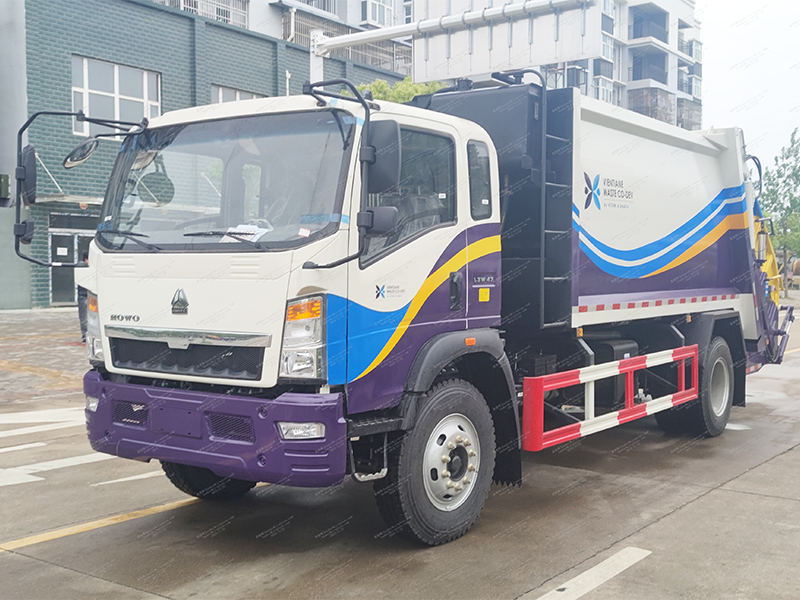
Modern waste management operates as a highly technical, data-driven sector where relying on legacy equipment directly erodes operational efficiency and strains municipal resources. Fleet managers face constant tension between rising labor demands, stricter environmental regulations, community safety mandates, and the absolute need for maximum route efficiency. Solving these challenges requires a rigorous evaluation of modern fleet configurations. Upgrading your operations means balancing automated loading technology, alternative powertrains, and integrated safety systems. You must match specific chassis and body types to your exact route demands. Deploying the right Garbage Truck transforms a reactive collection route into a highly optimized, predictive network.
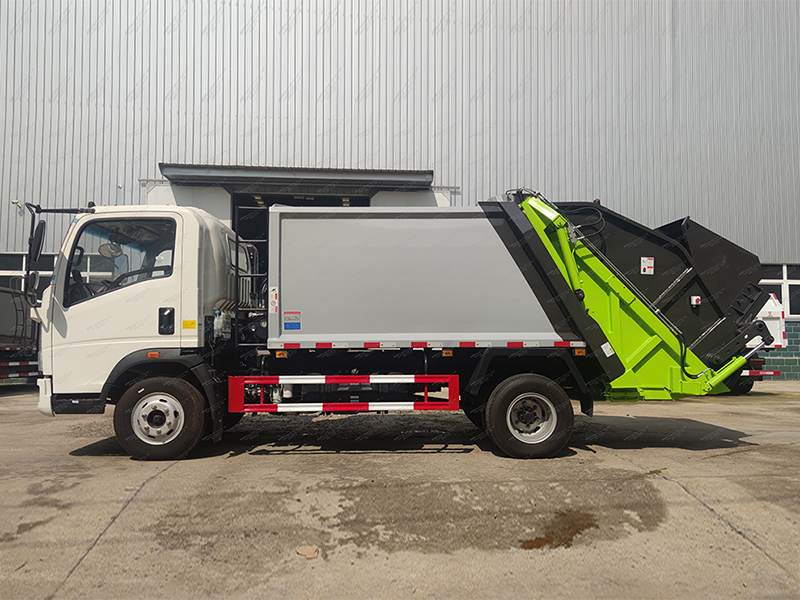
Automation Drives Efficiency: Self-loading mechanisms and automated side loaders (ASL) significantly reduce labor costs and operator fatigue compared to traditional manual rear-loading models.
Safety Tech is Non-Negotiable: Integrating proximity detection, 360-degree cameras, and AI-assisted hazard alerts mitigates liability and protects community infrastructure.
Powertrain Trade-offs Dictate TCO: Choosing between Diesel, Compressed Natural Gas (CNG), and Electric (EV) garbage trucks requires aligning infrastructure readiness with long-term sustainability mandates.
Data-Driven Route Optimization: Smart garbage trucks utilizing IoT and GPS tracking reduce fuel consumption and optimize collection density, transforming fleet management from reactive to predictive.
Table of Contents
How Garbage Trucks Evolved from Manual Haulers to Smart Fleets
Legacy fleets suffer from severe operational bottlenecks. High manual labor requirements slow down collection times and increase worker fatigue. Blind-spot accidents present constant liability risks in tight urban environments. Inefficient routing leads to wasted fuel and unnecessary wear on vehicle components. The industry needed a mechanical revolution to overcome these physical limitations. We saw this shift firsthand as municipalities struggled to keep up with growing suburban sprawl.
The Origin of Automation
Mechanical collection changed the trajectory of waste management. The historical milestone occurred in the 1950s. Brothers Philip and Howard Aldredge invented the first automated grabbing arm. This early prototype laid the mechanical foundation for modern automated side loaders (ASL). It proved that hydraulic machinery could safely lift and dump heavy refuse containers without manual lifting. Before this, crews physically hoisted steel cans, leading to massive injury rates.
The Shift to Self-Loading Technologies
The transition from manual rear-loading to automated systems reshaped fleet operations. Automated side-loading and front-loading systems drastically reduced the required crew size. Routes that previously required three operators now only need one driver. This shift minimizes physical strain on workers. It also accelerates the time spent at each collection stop, allowing a single vehicle to service more homes per shift. You can see the difference in cycle times immediately when comparing a manual route to an ASL route.
Integration of IoT and Telematics
Modern collection vehicles function as mobile data nodes. They utilize GPS tracking and AI-based route optimization software to navigate cities efficiently. Real-time payload monitoring tracks the exact weight of collected refuse. Dispatchers use this telematics data to eliminate empty miles. If a vehicle reaches maximum capacity early, the system instantly reroutes nearby units to cover the remaining stops. We rely on these systems to prevent overlapping routes and missed pickups.
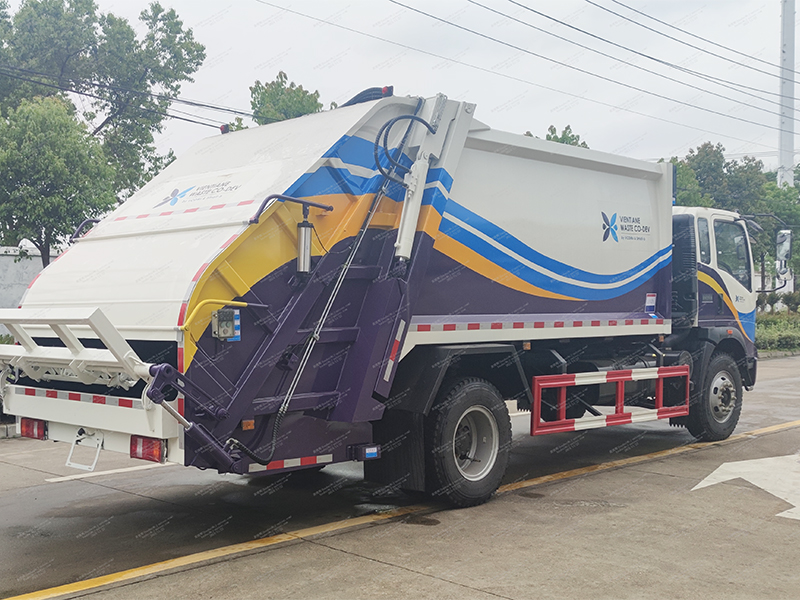
Choosing the Right Garbage Truck Type for Your Routes
Deploying the wrong vehicle on a specific route guarantees inefficiency. You must align the truck's physical capabilities with the environment it serves. Different waste streams require specialized loading mechanisms and chassis strengths. We always evaluate the route density before recommending a specific build.
Municipal and Residential Waste Management
Residential routes demand high-frequency stops and tight neighborhood navigation. Noise reduction is a critical success criterion for early morning collections. The ideal configuration is the Automated Side Loader (ASL). Pairing an ASL with an EV or CNG powertrain ensures quiet, single-operator efficiency. The automated arm reaches out, grabs the standardized cart, and dumps it while the driver remains safely in the cab. This setup dominates suburban collection networks.
Commercial and Industrial Waste
Commercial zones generate high-volume, high-density waste. Retail centers and manufacturing plants use massive steel dumpsters. Success here requires heavy lifting capabilities. Front-loading configurations serve this sector best. They feature high-compaction ratios and reinforced hydraulic lifting arms. These arms easily lift heavy commercial bins over the cab and empty them into the hopper. You need robust front axles to handle the dynamic load shifts during the lifting cycle.
Construction, Demolition, and Specialized Hauling
Construction sites produce heavy debris like concrete, wood, and metal. These environments require extreme payload durability and variable drop-off locations. Roll-off trucks fit this application perfectly. They utilize a heavy-duty chassis and advanced hydraulic winch systems. The driver can rapidly swap out massive open-top containers, dropping an empty bin and hauling away a full one in minutes. We use these extensively for disaster recovery and major demolition projects.
How Garbage Trucks Load, Compact, and Unload Waste
Understanding the mechanical workflow of a Garbage Truck helps optimize daily operations. The cycle breaks down into three distinct mechanical stages. Each stage relies on heavy-duty hydraulics and precise engineering. If one stage fails, the entire route falls behind schedule.
Stage 1: Innovative Loading and Collection
The collection phase relies on automated grabbing arms and specialized hopper designs. Mechanical lift geometries ensure smooth operation and reduce spill rates. When the arm grabs a cart, it follows a precise arc to empty the contents into the hopper. This controlled movement accelerates individual stop times. It prevents debris from scattering across the street, keeping neighborhoods clean. We calibrate the hydraulic pressure to match the weight of the carts to prevent crushing them.
Stage 2: Compaction and Density Optimization
Once waste enters the hopper, it must be compressed. High-pressure hydraulic cylinders drive heavy steel packer plates. These plates sweep the refuse from the hopper and crush it into the main body. This compaction optimizes cargo space. It maximizes the payload capacity while keeping the vehicle within legal axle weight limits. Higher density means fewer trips to the disposal site. We monitor the hydraulic fluid temperature closely during heavy compaction cycles.
Stage 3: Unloading and Disposal Mechanics
Emptying the vehicle at the landfill or transfer station requires speed and safety. Fleets generally use one of two systems. Horizontal ejection blade systems push the waste out the back without raising the body. This push-out method is safer on uneven landfill terrain and works well in transfer stations with low ceilings. Traditional gravity-tilt dump bodies raise the entire rear section to let gravity pull the waste out. Tilt systems are mechanically simpler but require stable ground and high overhead clearance.
Key Truck Features that Improve Fleet Performance and ROI
Selecting specific features directly impacts your daily operational outcomes. You must evaluate compaction capabilities, powertrain options, and chassis compatibility to build an effective fleet. We spend weeks analyzing these variables before finalizing a fleet order.
Compaction Ratios and Payload Optimization
Advanced hydraulic compactors drastically increase the volume of waste hauled per trip. A higher compaction ratio means the truck holds more material before reaching its weight limit. This efficiency directly reduces fuel consumption. It also lowers landfill tipping frequency, keeping the vehicle on the route longer. We look for packer panels that offer consistent pressure across the entire face of the load.
Powertrain Selection
Choosing the right powertrain dictates your infrastructure needs and environmental compliance. Each option presents distinct advantages and challenges. We map out the refueling logistics before committing to a specific engine type.
Powertrain Type | Primary Advantages | Operational Challenges |
|---|---|---|
Diesel | High torque, established maintenance network | Strict emissions penalties, high noise levels |
CNG | Lower emissions, quieter operation | Requires specialized refueling infrastructure |
Electric (EV) | Zero tailpipe emissions, silent operation | Requires significant charging grid evaluation |
Chassis and Body Compatibility
You cannot simply bolt any body onto any chassis. Matching the truck body with the appropriate chassis ensures weight distribution compliance. It also guarantees proper maneuverability. Engineers calculate the exact center of gravity for the combined unit. Proper integration prevents excessive wear on the front axles and ensures the hydraulic systems receive adequate power from the engine. We always verify the power take-off (PTO) specifications match the hydraulic pump requirements.
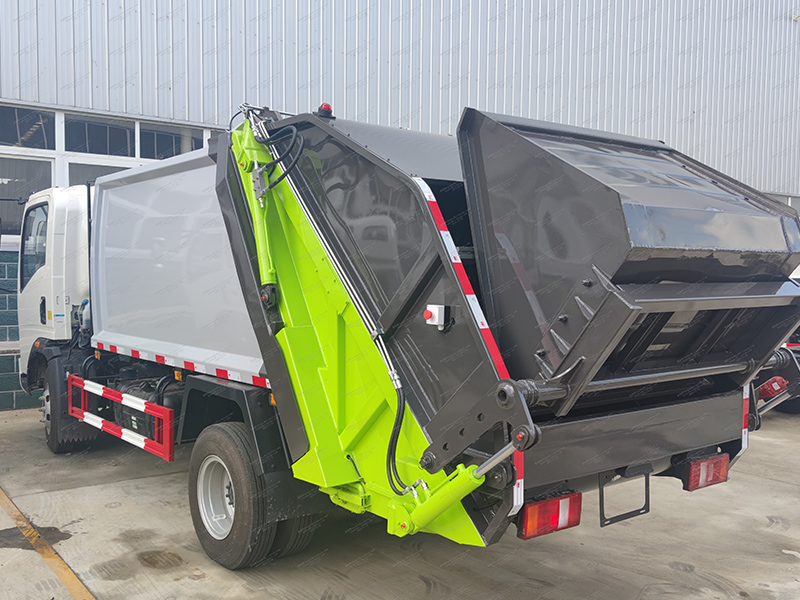
Safety Tech and Driver Ergonomics for Modern Fleets
Operating heavy machinery in crowded neighborhoods carries inherent risks. Modern fleets utilize advanced sensor arrays to protect operators and the public. We refuse to deploy vehicles without a comprehensive safety package.
Proximity Detection and Active Collision Avoidance
Installing radar, LiDAR, and 360-degree camera systems eliminates dangerous blind spots. These active collision avoidance systems monitor high-risk zones around the vehicle. If a vehicle or object enters a blind spot, the system alerts the driver immediately. This technology drastically reduces liability and prevents costly accidents during tight maneuvers. We mount the cameras high on the body to keep them clear of debris.
Community Safety Safeguards
Protecting the public requires specialized external safeguards. Automated pedestrian alerts emit warnings when the vehicle reverses or turns. Backup warning arrays use both visual and auditory signals. Side guards block the open space between the front and rear wheels. These physical barriers prevent accidents with cyclists and pedestrians in highly congested urban environments. We inspect these guards daily for damage.
Ergonomics and Operator Retention
Driver retention remains a major challenge in a tight labor market. Improving cab ergonomics keeps operators healthy and satisfied. Low-entry cabs reduce the physical strain of climbing in and out multiple times a day. Automated joystick controls prevent repetitive motion injuries. Climate-controlled environments keep drivers comfortable during extreme weather, reducing fatigue and improving focus. We spec air-ride seats for all our route drivers.
Regulatory and Emissions Compliance
Municipal and federal environmental mandates grow stricter every year. Modern exhaust aftertreatment systems, like Diesel Particulate Filters (DPF) and Selective Catalytic Reduction (SCR), scrub harmful pollutants from diesel engines. Noise-reduction technologies dampen hydraulic whine and engine roar. Meeting these standards ensures your fleet can operate legally in residential zones with strict noise and emission ordinances. We run forced regenerations on the DPF systems during off-hours to maintain efficiency.
Common Fleet Upgrade Risks and How to Avoid Them
Upgrading your fleet introduces new operational challenges. Anticipating these risks ensures a smooth transition to newer technologies. We plan the rollout phases months in advance to avoid service disruptions.
Driver Training and Adoption
Operator resistance to new automated controls or AI monitoring is a common risk. Drivers accustomed to legacy systems may find joysticks and touchscreens intimidating. To mitigate this, implement phased training programs. Focus heavily on how the technology reduces physical strain. Show them how camera systems protect them from liability in the event of an accident. We pair experienced drivers with new tech for the first few weeks.
Infrastructure Bottlenecks for Alternative Fuels
Purchasing CNG or EV fleets without adequate refueling or recharging capacity will ground your operation. You cannot rely on public infrastructure for heavy-duty fleet charging. Mitigate this risk by conducting a thorough facility energy audit. Partner with utility providers 12 to 18 months prior to the delivery of your EV or CNG vehicles to ensure the grid can handle the load. We learned this the hard way when a substation upgrade delayed our EV deployment.
Software Integration Failures
Telematics and route optimization software sometimes fail to sync with existing municipal or corporate ERP systems. This creates data silos and dispatch confusion. Require an open-API architecture from your software vendors. Always pilot-test the new software on a small subset of the fleet. Verify that data flows seamlessly before rolling it out to the entire operation. We run parallel systems for a month before cutting over completely.
Conduct a facility energy audit 18 months before EV delivery.
Pilot-test routing software on three vehicles before full deployment.
Implement a phased driver training program for joystick controls.
Verify open-API architecture with your telematics vendor.
Conclusion
Upgrading a municipal or commercial waste network relies on configuring high-performance vehicles that explicitly match neighborhood density and localized terrain demands. Aligning hydraulic compaction capabilities, active collision monitoring software, and calculated weight distribution structures ensures stable route execution while reducing unneeded public liability.
To achieve optimal operational efficiency with vehicles tailored exactly to demanding municipal upfits, consider collaborating with a leading commercial automotive supply network. As an established global logistics supplier, Changjiang Automotive Industrial Supply Chain Co., Ltd. manufactures and upfits severe-duty vocational truck bodies engineered for high structural durability. Their specialized refuse, cargo, and specialized emergency platforms ensure long-term route capability while acting as a Reliable Manufacturer of Passenger Cars & Fire Trucks - CJQC that integrates seamlessly with modern telematics systems.
Take the following strategic steps to maximize your operational returns:
Audit your current route density to determine if side loaders or front loaders fit best.
Evaluate your facility's electrical grid capacity before committing to EV powertrains.
Request live demonstrations of telematics software to verify ERP integration.
Consult with chassis and body manufacturers to spec custom weight distributions.
FAQ
Q: What is the average lifespan of a commercial garbage truck?
A: A typical commercial unit lasts between 7 and 10 years. The exact lifespan depends heavily on preventive maintenance schedules, route severity, and total operating hours. Trucks running double shifts or navigating harsh landfill terrain will wear out faster than those on light residential routes.
Q: How much does an automated side-loading garbage truck cost?
A: The financial investment for an automated side-loading unit depends entirely on the specific configuration. The final figure is driven by the choice of chassis, the selected powertrain, the capacity of the compactor body, and the integration of advanced safety and telematics technology add-ons.
Q: What are the main benefits of electric garbage trucks?
A: Electric models produce zero tailpipe emissions, making them ideal for strict environmental zones. They operate almost silently, which is perfect for early morning residential collections. They also eliminate the need for diesel fuel and require fewer engine maintenance interventions over their lifespan.
Q: How does route optimization software improve waste collection?
A: Route optimization uses AI and GPS to map the most efficient path for drivers. It reduces unnecessary mileage and prevents overlapping routes. The software can adjust dynamically to traffic conditions, road closures, or missed pickups, ensuring the driver completes the route faster.
Q: Can older garbage trucks be retrofitted with modern safety technology?
A: Yes, many legacy fleets can be upgraded. You can retrofit older units with 360-degree cameras, proximity sensors, and GPS telematics. This approach improves safety and data tracking without requiring a complete vehicle replacement.
Q: What is the difference between a front loader and a rear loader?
A: Front loaders use heavy hydraulic arms to lift large commercial dumpsters over the cab. They are built for industrial waste. Rear loaders require operators to manually load bags or use semi-automated tippers to empty residential carts into the back of the truck.
Q: Who invented the first automated grabbing arm for garbage trucks?
A: Brothers Philip and Howard Aldredge invented the first automated grabbing arm in the 1950s. Their invention revolutionized waste collection by proving that hydraulic machinery could safely lift and dump heavy refuse containers, drastically improving safety and efficiency.
Q: How do horizontal ejection unloading systems compare to traditional gravity dumping?
A: Horizontal ejection uses an internal blade to push waste out the back. It keeps the truck's center of gravity low, making it safer on uneven landfill terrain. Gravity dumping raises the entire body, which requires stable ground and high overhead clearance to prevent tipping.


