


What Is The Difference Between EMS Vehicles And Ambulances?
Views: 0 Author: Site Editor Publish Time: 2026-03-20 Origin: Site


Introduction
When emergencies happen, people often treat EMS vehicles and ambulances as the same. They are not. In this article, you will learn how they differ in purpose, staffing, equipment, and patient transport.
Purpose and Function: EMS Vehicles vs Ambulances
Primary Role of EMS Vehicles
EMS vehicles are designed primarily for on-scene medical care. They focus on rapid assessment and stabilization rather than transporting patients long distances. In many cases, these vehicles may not transport the patient; instead, they provide immediate interventions to prevent deterioration. EMS vehicles are versatile, responding to falls, motor vehicle accidents, and cardiac events quickly, sometimes being the first on site.
Key Features of EMS Vehicles:
● Quick deployment and mobility in urban and rural areas.
● Equipped for basic and intermediate life support.
● Staffed with trained EMTs and paramedics capable of urgent care.
● Flexible layout for access to patients in tight or difficult locations.
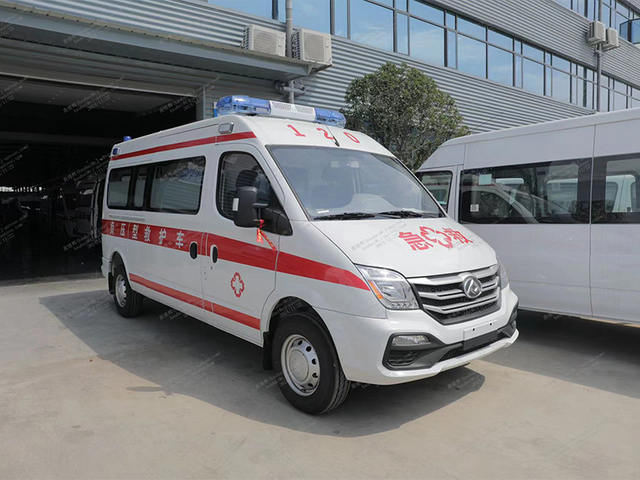
Primary Role of Ambulances
Ambulances serve a specialized purpose: transporting patients safely to hospitals while delivering ongoing medical care. They are outfitted with advanced life-support equipment such as ventilators, defibrillators, and cardiac monitors. EMTs and paramedics provide continuous care during transit, monitoring vital signs, administering medications, and managing airways if necessary.
Ambulances are deployed in serious situations like cardiac arrest, stroke, or severe trauma, where every minute matters. Their design ensures patients remain stable and secure, and staff can perform medical interventions en route.
Key Features of Ambulances:
● Modified van or truck chassis provide space for stretchers, seating, and equipment.
● Layout optimized for safe treatment during movement.
● Equipped with warning lights, sirens, and navigation for rapid response.
● Often used in critical or high-risk scenarios where emergency care is urgent.
Differences in Emergency Response
The main difference lies in how each vehicle is used during emergencies. In many urban systems, EMS vehicles and ambulances work together to maximize patient survival chances, particularly in high-stakes situations like multi-trauma incidents or cardiac arrests.
Comparison Table: EMS Vehicles vs Ambulances
Aspect | EMS Vehicle | Ambulance |
Purpose | Immediate on-site care | Transport + ongoing care |
Deployment | First responders, rapid access | Follow-up transport, long distance |
Equipment | Basic life support, stabilization kits | Advanced life support, ventilators, monitors |
Staff | EMTs, paramedics | EMTs, paramedics trained for transport care |
Scenario Examples | Trauma, accidents, initial assessment | Cardiac arrest, stroke, severe injury transfer |
Vehicle Design and Equipment Differences
EMS Vehicle Features
● Smaller body and easier maneuvering
EMS vehicles are often chosen for mobility first. They can enter narrow roads, busy downtown areas, and crowded emergency zones more easily than larger ambulances. This helps crews reach patients faster, especially when traffic or access becomes a real problem.
● Fast-grab equipment layout
Their cabinets and storage areas are arranged for quick response work. Staff need to grab oxygen, airway tools, bandages, and monitoring supplies in seconds. So the design stays simple, direct, and easy to work in under pressure.
● Limited transport capacity
Some EMS vehicles may not be designed for full patient transport at all. Even when they can assist briefly, they usually do not offer the same stretcher space, treatment area, or onboard support found in ambulances. That is one of the clearest design differences.
Ambulance Features
Ambulances are designed for both treatment and transport, so their structure is more complex. They are commonly built on modified vans, trucks, or cutaway chassis, giving crews enough room to treat a patient while the vehicle is moving.
Their equipment level is also much higher.
Ambulances often carry defibrillators, ventilators, oxygen systems, suction units, ECG monitors, and secured medical kits. These tools are not just stored inside.
Design Aspect | EMS Vehicles | Ambulances |
Main design goal | Fast access and on-scene response | Safe transport and in-transit care |
Vehicle size | Usually smaller and more agile | Usually larger, more treatment space |
Medical layout | Simple, quick-access storage | Full interior workflow for patient care |
Equipment level | Basic life support tools and emergency supplies | Advanced life-saving equipment and mounted systems |
Patient transport ability | Limited or sometimes none | Built specifically for full patient transport |
Accessibility and Specialized Configurations
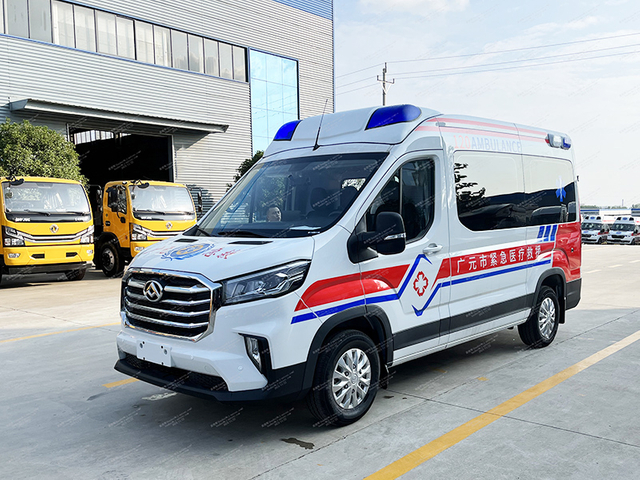
Accessibility creates another important gap between EMS vehicles and ambulances. Ambulances often need to support more than emergency speed. They also need to support safe loading, secure positioning, and practical treatment space for different patient conditions.
Because of this, many ambulances include wider entry points, better stretcher guidance, secure restraint systems, and interior layouts that make patient handling safer for both crews and patients.
● Wheelchair and stretcher access
Accessibility is not only about getting a patient inside. It also affects crew safety, transfer speed, and patient comfort during a stressful moment. Ambulances designed for smoother loading and unloading reduce delays and make transport more stable.
● Bariatric support and reinforced layouts
Some patients need more space, stronger loading systems, and higher-capacity stretchers. Standard EMS vehicles often cannot provide that level of support. Specialized ambulances can, so the design becomes more patient-centered and more practical for real field use.
● ICU-style configurations
In higher-level transport work, ambulances may need room for advanced monitoring and ongoing intervention. That means more organized storage, stable mounting points, and a cleaner treatment path around the stretcher.
For suppliers like Changjiang, this kind of configuration flexibility can be valuable when different markets ask for different ambulance specifications. elchair and stretcher access
Staffing and Training Differences
EMS Vehicle Personnel
EMS vehicle crews focus on fast assessment and early treatment. They usually include EMTs or paramedics who reach the scene, check the patient, and start basic or urgent care right away. Their job is to stabilize the situation first, then decide what kind of transport or next step is needed.
● Scene-based care
They assess symptoms, watch for danger signs, and begin treatment in the first few minutes.
● Flexible staffing
Crew size can change by mission, vehicle type, and service model.
● Stabilization first
Their work often centers on oxygen, monitoring, medication, and other early interventions.
Ambulance Personnel
Ambulance personnel do more than respond. They are trained for both treatment and transport, which makes their role broader than many EMS response crews. EMTs and paramedics in ambulances must keep care going while the vehicle is moving, often using ALS tools and following the patient’s condition all the way to the hospital.
Ambulance training standards are also higher. The source material notes that EMTs complete over 100 hours of training, while paramedics often complete 1–2 years and more than 1,000 hours.
Aspect | EMS Vehicles | Ambulances |
Main role | On-scene assessment and stabilization | Care plus patient transport |
Typical staff | EMTs or paramedics | EMTs and paramedics |
Training focus | Fast response and early intervention | In-transit care and ALS support |
Care timing | Mostly at the scene | At the scene and during transport |
Conclusion
EMS vehicles focus on fast on-scene care, while ambulances combine treatment and safe transport. Their staffing, equipment, and interior layout reflect this difference. Changjiang adds value by offering special-purpose vehicle and ambulance solutions that support efficient response, practical medical space, and dependable service for buyers who need flexible emergency transport options.
FAQ
Q: What are ambulances used for?
A: Ambulances are used to treat and transport patients during emergencies. They provide medical care on the way to the hospital.
Q: Are EMS vehicles the same as ambulances?
A: No, they are not exactly the same. Ambulances are built for transport, while some EMS vehicles focus more on on-scene care.
Q: Why do ambulances need more equipment?
A: Ambulances need more equipment because care continues during transport. They often carry monitors, oxygen, and other life-support tools.
Q: Who usually staffs an EMS vehicle?
A: EMS vehicles are usually staffed by EMTs or paramedics. They assess the patient quickly and begin early treatment at the scene.
Q: Are ambulances more expensive than other EMS vehicles?
A: Yes, ambulances are often more expensive. Their transport systems, medical layout, and advanced equipment increase the cost.


