


How Many Cubic Yards in A Dump Truck
Views: 0 Author: Site Editor Publish Time: 2026-03-20 Origin: Site


Introduction
Ever wondered how much a dump truck can carry? Understanding its cubic yard capacity is key. In this article, you'll learn how to measure, calculate, and optimize dump truck loads for every project.
Understanding Dump Truck Capacity
What is a Cubic Yard and How It Relates to Dump Trucks
When planning a project, knowing how much a dump truck can carry is crucial. A cubic yard is a unit of volume equal to 27 cubic feet. That’s roughly the size of a standard washing machine. For international work, it’s useful to convert it into cubic meters, where 1 cubic meter equals about 1.3 cubic yards. They’re easy to convert: multiply cubic meters by 1.3 to get cubic yards.
It matters because estimating load volume incorrectly can lead to extra trips or wasted fuel. We can calculate how much material fits in a truck by multiplying its bed length, width, and height. This gives us the truck’s volume, helping us plan schedules and costs efficiently.
Some practical examples for project planning:
● Mulch or leaves fill the bed quickly but stay light.
● Soil or gravel may reach weight limits before filling the bed completely.
● Sand or compost needs careful measurement to avoid overloading.
Using Changjiang dump trucks, which range from small urban models to heavy-duty off-road types, helps ensure that each load is safe, legal, and cost-effective. They are engineered for different payloads and body volumes, giving flexibility for any type of project.
How Dump Truck Size Affects Capacity
Dump truck size directly influences how many cubic yards it can hold. Small trucks typically carry 6–10 cubic yards, standard models 10–16 cubic yards, and large off-road trucks over 20 cubic yards. On-road trucks are ideal for city streets, while off-road units handle rough terrain, mining, or large construction sites.
Here’s a reference table showing typical Changjiang dump truck models and approximate capacities:
Truck Model | Payload (Tons) | Body Volume (m³) | Approx. Cubic Yards |
Urban 4x2 | 12–15 | 10–12 | 13–16 |
Standard 6x4 | 20 | 15–18 | 20–24 |
Heavy-Duty Off-Road | 30+ | 20+ | 26+ |
They’re designed to maximize space safely. Notice how off-road models carry more material, but also require planning for legal weight limits and job site accessibility.
Factors like sidewall height and bed shape also affect usable volume:
● Small projects: maneuverable, perfect for landscaping.
● Medium projects: fewer trips, more cubic yards.
● Heavy projects: large loads, optimized for mines or quarries.
These sizes and payloads help contractors make informed choices. They reduce trips, save fuel, and keep operations safe. Selecting the right dump truck, like those from Changjiang, ensures that the volume estimates in cubic yards match real-world project needs.
Types of Dump Trucks and Their Cubic Yard Capacities
Small and Standard Dump Trucks
Small and standard dump trucks are ideal for projects that need precision and maneuverability. They usually carry 6–14 cubic yards, making them perfect for residential construction, landscaping, or tight urban sites. Their compact design allows them to navigate narrow streets, driveways, and crowded job sites while still carrying a practical load. Changjiang’s small and standard models are engineered to optimize payload without exceeding weight limits, ensuring safety and efficiency.
Key Points:
● Capacity: 6–14 cubic yards.
● Best Uses: Landscaping, residential builds, smaller urban projects.
● Advantages: Easy maneuverability, lower fuel costs, frequent trips possible.
● Material Suitability: Light to medium-density materials like mulch, topsoil, or compost.
Large On-Road Dump Trucks
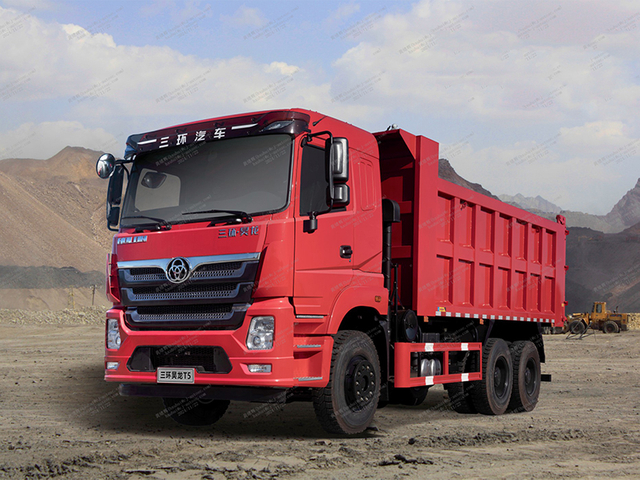
Large on-road dump trucks increase efficiency for medium to large construction projects. They typically carry 15–20 cubic yards of material per trip. These trucks are well-suited for municipal works, road construction, or any job requiring fewer trips for larger volumes.
Truck Type | Capacity (Cubic Yards) | Best Use |
Standard 6x4 | 15 | Roadwork & municipal projects |
Heavy 8x4 | 18–20 | Long-haul & large construction |
Off-Road and Mining Dump Trucks
Off-road and mining dump trucks are designed for extreme workloads. Their capacity ranges from 20 to over 60 cubic yards, depending on model and terrain. They excel in quarries, mining sites, and mega civil engineering projects where moving massive quantities of material is critical.
Safety and Operational Considerations:
● Weight Distribution:
Oversized loads must be balanced to prevent tipping.
● Terrain Adaptation:
Trucks equipped for uneven, rocky, or steep sites.
● Maintenance:
Regular inspections ensure reliability under harsh conditions.
● Load Management:
Operators must monitor material density and compaction to stay within safe limits.
These trucks are engineered for durability and efficiency. They minimize trips, reduce operational time, and handle extreme loads that standard trucks cannot. High-capacity dump trucks maximize productivity on large-scale projects while maintaining operational safety and regulatory compliance.
Calculating How Many Cubic Yards a Dump Truck Can Hold
Measuring Dump Bed Dimensions
Measuring a dump truck bed is easier than it sounds. First, measure the length, width, and height of the bed in meters or feet. Multiply these three numbers to get the volume in cubic meters. To convert to cubic yards, multiply by 1.3, giving a more familiar figure for construction and landscaping projects. They’re easy to compare across trucks and materials.
Step-by-step guide:
● Measure length: Use the bed from front to back.
● Measure width: Include the inside walls.
● Measure height: From floor to the top edge of sidewalls.
● Convert: Cubic meters × 1.3 = cubic yards.
Adjusting for Material Type and Weight
Not all materials behave the same. Heavy materials like wet soil or gravel may fill a bed but reach weight limits before the top. Lighter items like mulch or compost allow for more cubic yards per trip. The material density affects how much a dump truck can safely carry.
Material examples and impact:
Material | Typical Density | Effect on Volume |
Gravel | 1.4–1.7 tons/yd³ | Weight may limit full bed use |
Sand | 1.5 tons/yd³ | Bed may not fill completely |
Soil | 1.2–1.6 tons/yd³ | Moisture affects total load |
Mulch | 0.4–0.6 tons/yd³ | Bed can hold taller loads |
They’re easy to see why choosing the right dump truck model is critical. The heavier the material, the fewer cubic yards you can haul safely.
Accounting for Load Method and Safety
How you load the truck changes capacity dramatically. Loose loading allows taller piles but can shift during transport. Compact loading maximizes space but may exceed safe weight. Sidewall height and the angle of repose influence the actual cubic yards per trip.
Changjiang dump trucks are designed to handle different loading methods efficiently. Always monitor legal weight limits, distribute the load evenly, and secure it with tarps or nets if needed.
Tips for safe loading:
● Spread materials evenly to avoid tipping.
● Adjust for sidewall height and pile shape.
● Check local road and axle weight limits.
● Use proper unloading techniques to prevent spills and injuries.
● Consider moisture and settling to avoid overestimating volume.
These methods ensure you maximize capacity while staying compliant and safe. Proper loading prevents accidents and improves hauling efficiency, especially on large-scale or heavy-duty jobs.
Practical Tips for Choosing the Right Dump Truck
Matching Truck Size to Project Needs
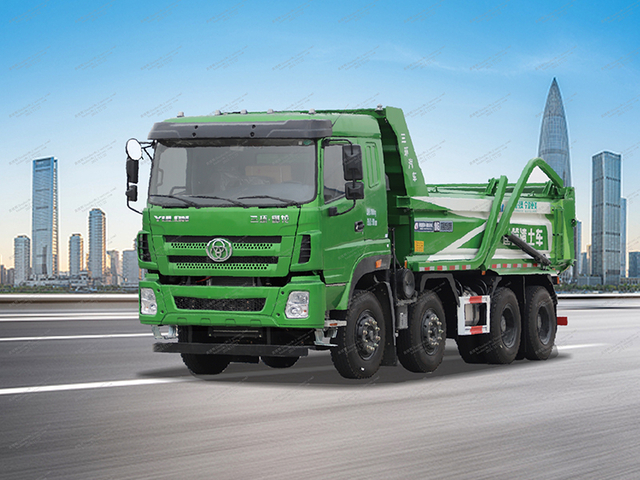
Selecting the right dump truck depends on your project’s material volume and trip requirements. Too small a truck means more trips and higher fuel costs, while too large may be difficult to maneuver on site.
Changjiang trucks come in multiple configurations, making it easier to match truck size to project needs. Operators benefit from choosing a model that balances payload and efficiency, reducing time spent on repetitive trips.
Key considerations:
● Material quantity: Total cubic yards needed per project.
● Trip frequency: Fewer trips reduce fuel use and time.
● Site access: Ensure truck fits job site roads and turns.
● Truck model selection: Small, standard, or heavy-duty off-road models.
Considerations for Hauling Different Materials
Different materials behave differently in a dump truck. Gravel, sand, soil, and mulch have varying densities and settling rates, which affects how many cubic yards fit safely. Moisture content increases weight, sometimes reducing usable volume.
Changjiang dump trucks are designed to handle these variations efficiently. Choosing a truck that fits both the material and load method ensures you meet project goals safely and cost-effectively.
Material | Typical Density (tons/yd³) | Practical Tips |
Gravel | 1.4–1.7 | Avoid overfilling; account for settling |
Sand | 1.5 | Check moisture content to prevent overweight |
Soil | 1.2–1.6 | Adjust load for wet soil; reduce cubic yards if needed |
Mulch | 0.4–0.6 | Can pile higher safely; monitor sidewall height |
Safety and Regulatory Compliance
Safety and legal compliance are critical for dump truck operations. Weight limits, axle restrictions, and local regulations determine the maximum material a truck can carry. Load securing methods, like tarps and nets, help prevent spills during transport.
Safety tips:
● Monitor local weight limits and axle restrictions.
● Secure loads to prevent shifting or spillage.
● Consider truck stability for uneven terrain or long hauls.
● Adjust for moisture, density, and settling of materials to prevent overload.
● Use inspection protocols before and after each trip to ensure compliance.
Conclusion
This article explains how to calculate cubic yards in a dump truck and adjust for material type, weight, and load method. Changjiang dump trucks offer versatile models with optimized bed sizes and payloads, helping projects save trips, reduce fuel, and ensure safe, efficient hauling across residential, commercial, and heavy-duty applications.
FAQ
Q: What is a dump truck’s typical cubic yard capacity?
A: A dump truck usually carries 6–20 cubic yards, depending on model and bed size.
Q: How do I calculate cubic yards in a dump truck?
A: Measure the bed’s length, width, and height, then convert cubic meters to cubic yards.
Q: Why does material type affect dump truck capacity?
A: Dense materials like gravel weigh more, reducing usable cubic yards compared to lighter items.
Q: How do I choose the right dump truck for a project?
A: Consider total material, trip frequency, and site access, using a model that balances volume and weight.
Q: What safety measures matter when loading a dump truck?
A: Secure loads, follow weight limits, adjust for sidewall height, and account for settling or moisture content.


