


What Are The Four Types of Ambulances?
Views: 0 Author: Site Editor Publish Time: 2026-03-20 Origin: Site


Introduction
Ever wondered how ambulances differ? They vary by care level, design, and equipment. In this article, we explore the four main types of ambulances. You will learn which ambulance suits specific emergencies and patient needs.
Classification of Ambulances by Type
Truck-Based Emergency Vehicles
Truck-based ambulances are built on truck or SUV chassis. They offer a modular patient compartment that separates the driver from the medical area, allowing teams to work efficiently. They are ideal for rural or rugged areas, where roads may be uneven and quick response is critical.
Inside, these vehicles carry advanced life support equipment such as defibrillators, ventilators, and cardiac monitors. Paramedics can provide care during transit, making them suitable for high-intensity emergencies. Changjiang’s emergency rescue vehicles follow similar design principles, ensuring robustness, high payload capacity, and customizable interiors for various medical missions.
Key Features:
● Strong chassis and engine for heavy-duty use.
● Modular patient compartment for team efficiency.
● Advanced medical equipment onboard.
● Designed for rural or off-road emergency response.
Feature | Benefit |
Truck chassis | Durability on rough terrain |
Modular interior | Efficient workflow for paramedics |
Advanced life support | Critical care during transit |
Payload capacity | Can carry extra medical gear and personnel |
Van-Based Urban Ambulances
Van-based ambulances are smaller, built on a standard van chassis, and integrate the driver’s area with the patient compartment. They excel in urban environments, navigating traffic-heavy streets and narrow roads easily.
These ambulances are primarily used for basic life support (BLS) or patient transfers that do not require intensive equipment. They are perfect for hospitals, clinics, and city EMS services. Interior space is enough for stretchers, oxygen supplies, and emergency bags, allowing attendants to provide basic care while traveling. Their compact size reduces fuel consumption and makes parking simpler during emergencies.
Advantages:
● High maneuverability for city streets.
● Integrated design for quick access to patients.
● Supports essential medical equipment like oxygen and first-aid kits.
● Efficient for routine transfers and non-critical emergencies.

Specialty Van Units
Specialty van ambulances use a cutaway van chassis with a modular body, designed for specific medical needs. They can be customized for neonatal transport, bariatric care, or advanced emergency missions. They balance speed, access, and interior space, letting medical staff operate efficiently even in dense urban areas.
Changjiang vehicles can be tailored for such missions, ensuring that patient care needs are met while maintaining safety and comfort. Equipment varies by mission type but often includes incubators, ventilators, stretchers, and cardiac monitors. The design allows for flexibility in emergency response, adapting to unique scenarios where standard vans may be insufficient.
Customization Options:
● Adjustable interiors for different patient needs.
● Advanced life support equipment for critical cases.
● Compact enough to navigate tight spaces.
● Enhanced safety features for specialized missions.
Ambulance Type | Ideal Use Case | Key Equipment |
Truck-Based | Rural, critical emergencies | Defibrillator, ventilator, cardiac monitor |
Van-Based | Urban BLS, patient transfers | Oxygen, stretcher, first-aid kit |
Specialty Van Unit | Neonatal, bariatric, specialized | Incubator, ventilator, customized monitors |
Classification by Level of Care and Efficiency
Basic Life Support (BLS) Ambulances
BLS ambulances are designed for stable patients who don’t need intensive care during transport. They are perfect for hospital transfers, minor injuries, or routine check-ups, offering essential support while keeping patients comfortable.
Inside, these vehicles include oxygen supply, stretchers, first-aid kits, and basic monitoring tools, allowing attendants to track vital signs and respond to small emergencies. They are lightweight and maneuverable, making them ideal for urban settings where quick navigation matters. Many fleet operators, including Changjiang, configure their BLS vehicles to balance comfort, efficiency, and accessibility for both staff and patients.
Equipment | Purpose | Typical Usage |
Oxygen supply | Supports breathing for non-critical cases | Hospital transfers, check-ups |
First-aid kit | Immediate treatment for minor injuries | Minor trauma, post-surgery |
Stretcher | Safe patient transport | All routine transfers |
Basic monitor | Vital sign tracking | Continuous observation |
Advanced Life Support (ALS) Ambulances
ALS ambulances act as mobile ICUs, handling critical emergencies. They come equipped with ventilators, defibrillators, cardiac monitors, and intravenous drug systems. Staffed by paramedics or doctors, these vehicles respond to trauma, cardiac arrests, or severe medical incidents, delivering care while en route. They often require stronger chassis, more interior space, and advanced workflow layouts, which Changjiang incorporates into its heavy-duty rescue and ambulance vehicles. These units ensure patients remain stable during long trips or high-intensity calls.
Why ALS Ambulances Matter:
● Provides life-saving interventions on the move
● Supports critical patients during long-distance transport
● Trained medical staff operate advanced equipment effectively
● Essential for high-risk scenarios like trauma or cardiac events
Patient Transport Ambulances (PTA)
PTAs focus on non-emergency transport, ensuring comfort and safety rather than intensive care. They are used for post-surgery discharges, routine medical check-ups, and long-distance transfers. These ambulances carry minimal medical equipment, enough to monitor patients during transit while maximizing space and comfort.
Changjiang can configure such vehicles with adjustable interiors and smooth suspension systems to ensure patients travel safely and comfortably. PTAs are often more fuel-efficient and easier to maneuver than larger ALS units.
PTA Highlights:
● Comfortable seating and stretcher options
● Basic oxygen support if needed
● Designed for long-distance and routine transfers
● Reduces strain on high-intensity ambulance fleets
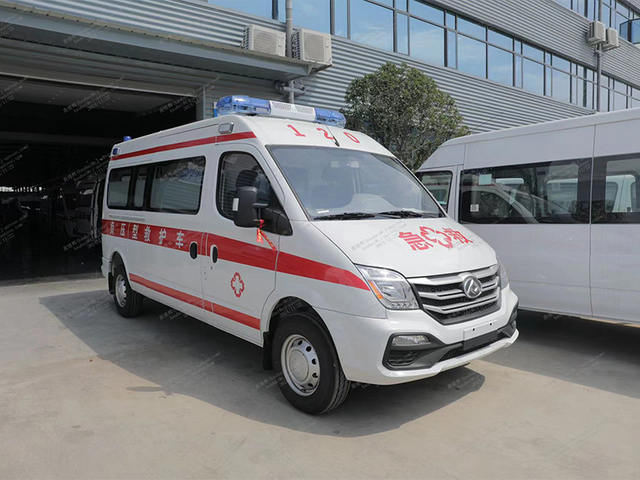
Specialized Ambulances
Specialized ambulances are designed for specific medical scenarios: cardiac, neonatal, air, or rail transport. Cardiac ambulances handle heart-related emergencies with ECG machines, defibrillators, and emergency drugs. Neonatal ambulances support premature infants, equipped with incubators and temperature-controlled systems. Air ambulances provide rapid long-distance transport, carrying ICU-level equipment and medical teams.
Changjiang’s modular ambulance design can accommodate specialized layouts and medical systems, allowing fleets to respond to unique patient needs efficiently.
Specialized Ambulance Applications:
● Cardiac care for heart attack or arrhythmia patients
● Neonatal transport for NICU transfers
● Air ambulances for urgent, long-distance response
● Rail ambulances for cost-effective long-distance transport
Ambulance Type | Level of Care | Key Equipment | Ideal Use Cases |
BLS | Basic | Oxygen, first-aid kit, stretcher | Minor injuries, routine hospital transfer |
ALS | Advanced | Ventilator, defibrillator, cardiac monitor | Critical emergencies, trauma, ICU transport |
Patient Transport (PTA) | Basic | Stretcher, basic oxygen | Routine check-ups, post-surgery, long-distance transfers |
Specialized | Critical/Specialized | Incubator, ECG, ventilator, ICU setup | Cardiac events, neonatal care, air/rail transport |
Classification by Body Type and Design
Van Ambulances
Van ambulances are the most common type, offering enough space for medical staff and equipment. They work well in urban settings, navigating tight streets and heavy traffic. Inside, attendants access stretchers, oxygen, and essential first-aid equipment, keeping patients stable during transport.
Changjiang’s van-based rescue vehicles often feature customizable layouts and high ceilings, allowing teams to manage patients and equipment efficiently while maintaining comfort.
Advantages:
● High interior space and easy access to equipment
● Maneuverable in city streets
● Efficient workflow for medical teams
Box or Modular Ambulances
Box or modular ambulances have a rectangular, spacious body, ideal for long-distance transport or carrying heavy medical equipment. The modular design can be mounted on different chassis, allowing custom interiors for trauma care, ICU support, or neonatal transport.
Changjiang vehicles in this category emphasize stability, safety, and smooth patient transfer, even over long distances or challenging roads.
Feature | Benefit |
Rectangular body | Maximize patient and equipment space |
Modular configuration | Adaptable to mission-specific needs |
Long-distance capability | Safe transport across extended routes |
SUV or Truck Ambulances
SUV and truck ambulances are rugged and durable, built for off-road and rural emergencies. They carry advanced medical equipment, supporting ALS-level care in remote areas.
Changjiang integrates strong chassis, reinforced suspensions, and powerful engines, helping paramedics reach patients quickly without compromising care. Interiors are arranged for efficient workflow, allowing critical interventions even on rough terrain.
Key Features:
● Off-road capability for rural rescue
● Higher payload for ALS equipment
● Interior designed for efficient patient care
Specialized or Niche Designs
Specialized ambulances serve unique environments or missions, including mountain, water, and motorcycle ambulances. They operate where standard vehicles struggle, like narrow trails, rivers, or crowded events.
Changjiang’s modular approach allows customization of interior layouts and medical gear, ensuring teams can respond efficiently in extreme conditions. These vehicles focus on speed, accessibility, and specialized patient care.
Choosing the Right Ambulance
Matching Ambulance Type to Patient Needs
Selecting the right ambulance depends heavily on patient condition and urgency. BLS ambulances suit stable patients needing basic monitoring, while ALS units handle critical emergencies with ventilators, cardiac monitors, and paramedics. Specialty ambulances target unique medical scenarios, such as neonatal care or cardiac emergencies.
Consider emergency level, patient stability, and distance—a long intercity transfer may require an ALS or specialized unit, whereas a short hospital run could be covered by a BLS or PTA ambulance.
Key Factors to Assess:
● Patient condition: stable, critical, or special care
● Transport distance: urban, intercity, or remote
● Emergency level: routine, urgent, or life-threatening
● Required onboard equipment and staff expertise
Operational Environment Considerations
Ambulances operate in diverse environments, and the terrain, traffic, and accessibility matter. Urban deployment demands compact, maneuverable vehicles, while rural or off-road missions benefit from truck-based or SUV ambulances. Narrow streets, construction zones, or mountainous regions may require specialized designs, like modular or off-road capable units.
Vehicle size impacts speed, maneuverability, and response time, so operators must align ambulance selection with the operational context. Changjiang’s rescue vehicles provide flexibility for these varied environments, with reinforced chassis, adaptable suspension, and modular compartments to optimize mobility and safety.
Environmental Considerations:
● Urban streets vs rural roads
● Narrow, congested, or rough terrains
● Vehicle dimensions and turning radius
● Accessibility to patient location
Equipment and Staffing Requirements
Ambulances vary in the medical equipment they carry and the staff onboard. ALS vehicles include ventilators, defibrillators, and IV setups, staffed by paramedics or doctors, while BLS units carry oxygen, first-aid kits, and stretchers for basic monitoring. The right match ensures patient safety and care quality. Specialized units, like neonatal ambulances, require pediatric expertise and incubators.
Staffing & Equipment Checklist:
● BLS: attendant, oxygen, stretcher, basic monitoring
● ALS: paramedic/doctor, advanced monitoring, ventilator
● Specialty: trained staff, mission-specific equipment
Budget and Logistics Factors
Cost and logistics influence ambulance selection for both hospitals and EMS providers. Larger, ALS or specialty units incur higher initial costs, fuel consumption, and maintenance, while BLS and PTA vehicles are more economical. Consider lifecycle expenses, refueling needs, and scheduled maintenance.
Ambulance Type | Approx. Cost Range | Maintenance Needs | Ideal Use Case |
BLS | Low | Moderate | Routine transfers, minor injuries |
ALS | High | Intensive | Critical emergencies, ICU transport |
PTA | Low-Medium | Moderate | Long-distance non-emergency transport |
Specialty | High | Intensive | Neonatal, cardiac, or unique missions |
Conclusion
This article explained the four main types of ambulances, detailing their care levels, designs, and specialized functions. Changjiang provides versatile vehicles, from BLS to ALS and specialty ambulances, offering durable, well-equipped solutions that enhance patient safety and operational efficiency for diverse emergency needs.
FAQ
Q: What are the four types of ambulances?
A: Ambulances include BLS, ALS, patient transport, and specialized units for different medical needs.
Q: How do I choose the right ambulance?
A: Match patient condition, emergency level, and transport environment to the suitable ambulance type.
Q: Why are ALS ambulances important?
A: ALS ambulances provide critical care during transport with advanced medical equipment and trained staff.
Q: Can ambulances handle long-distance transport?
A: Yes, patient transport and specialized ambulances are equipped for long-distance or intercity transfers.
Q: What makes Changjiang ambulances valuable?
A: Changjiang ambulances combine durability, customizable layouts, and advanced equipment for safe and efficient patient care.


