


How Much Does A Dump Truck Weigh
Views: 0 Author: Site Editor Publish Time: 2026-03-20 Origin: Site


Introduction
Ever wondered how much a dump truck weighs? These vehicles vary greatly by design, load, and material. In this article, you'll learn how to calculate weight and plan safe, efficient operations.
Types of Dump Trucks and Their Weight Differences
Two-Axle Dump Trucks (4×2)
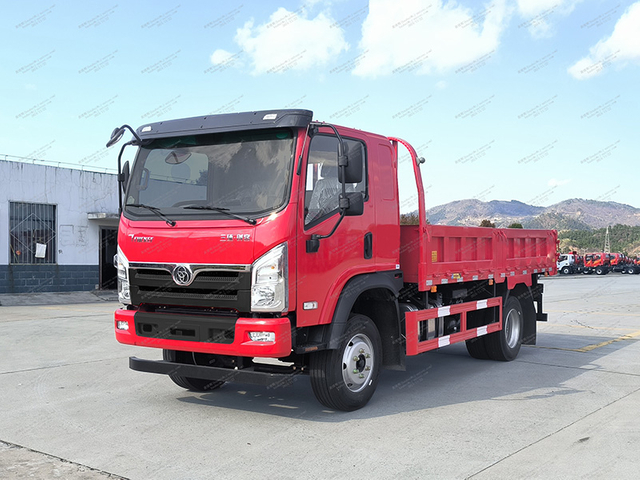
Two-axle dump trucks are ideal for light-duty jobs. They feature a single front and rear axle, making them easy to maneuver on smaller sites. Contractors often choose them for urban construction or scattered muck removal because they are cost-effective and flexible.
The typical empty weight is around 15,100 lbs, while the gross load can reach up to 32,000 lbs. Payload capacity usually sits near 8 tons, enough for dirt, sand, or gravel transport on short routes. Many buyers appreciate their simple structure, low maintenance, and ability to navigate narrow streets or tight construction areas.
Applications at a glance:
● Small construction projects
● Urban material transport
● Landscaping and light excavation
Quick Reference Table: Two-Axle Dump Trucks
Feature | Specification |
Axles | 2 (single front, single rear) |
Empty Weight | ~15,100 lbs |
Gross Load Weight | ~32,000 lbs |
Payload | ~8 tons |
Typical Use | Urban muck removal, light jobs |
Three-Axle Dump Trucks (6×2/6×4)
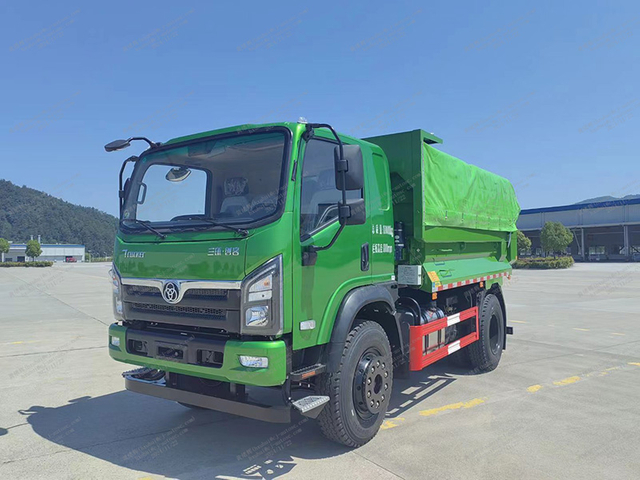
Three-axle dump trucks sit in the medium-duty category, combining single front axle and dual rear axles. This design ensures balanced traction and better load distribution, especially on uneven terrain. They weigh between 22,600–25,380 lbs empty, depending on steel or aluminum construction, and can carry up to 68,000 lbs gross weight. Their payload capacity reaches around 22 tons, making them ideal for large construction sites or heavy material handling. Operators often choose them for moving sand, gravel, or soil efficiently over longer distances than two-axle trucks allow.
Key Benefits:
● Excellent stability on rough terrain
● Increased payload without sacrificing maneuverability
● Durable steel or lighter aluminum options
Four-Axle and Multi-Axle Dump Trucks (8×4 and above)
Four-axle and multi-axle dump trucks are the heavy-duty champions. They feature multiple rear axles, often up to seven, providing high load capacity and optimized stability.
Gross Vehicle Weight Rating (GVWR) can reach 80,000 lbs in seven-axle models, allowing them to carry ultra-heavy loads safely. These trucks are common in long-distance hauling, mining operations, and bulk material transport, especially for stones, sand, or gravel. Buyers value their robust design, reinforced chassis, and advanced hydraulic lifting systems, which make unloading easier at large-scale sites.
Operational Highlights:
● Ideal for mining and large construction projects
● Handles long-distance transport efficiently
● Strong multi-axle configuration improves safety
Weight Comparison Table: Dump Truck Types
Dump Truck Type | Empty Weight Range | Gross Weight | Payload | Applications |
Two-Axle (4×2) | ~15,100 lbs | 32,000 lbs | ~8 tons | Urban construction, small sites |
Three-Axle (6×2/6×4) | 22,600–25,380 lbs | 68,000 lbs | ~22 tons | Large sites, heavy material handling |
Four/Multi-Axle | 30,000+ lbs | 80,000 lbs | 25–40+ tons | Mining, long-distance bulk transport |
Factors That Affect Dump Truck Weight
Material Factors
The type of material you carry plays a huge role in a dump truck’s total weight. Dense materials like gravel, wet sand, or crushed stone can dramatically increase the load compared to lighter options like mulch or dry soil. Volume matters too — a larger cargo box holding more cubic yards will multiply the effect. Operators must calculate both density and volume to avoid overloading, which can damage roads or violate legal limits.
Key Considerations:
● Gravel: ~2,800–2,900 lbs per cubic yard
● Sand: ~2,700 lbs per cubic yard
● Mulch: ~500 lbs per cubic yard
● Cargo volume directly affects total truck weight
Truck Design Factors
How a dump truck is built strongly influences empty and loaded weight. Steel bodies are heavier but extremely durable, whereas aluminum reduces empty weight, increasing payload capacity. Axle configuration distributes weight across the vehicle — tandem, tri-axle, and multi-axle layouts all help manage heavier loads while improving stability. Chassis design, bed shape, and reinforced frames all contribute to operational efficiency.
Truck Design Comparison Table
Feature | Steel Body | Aluminum Body | Notes |
Empty Weight | Higher | Lower | Steel adds durability, aluminum boosts capacity |
Load Distribution | Depends on axles | Depends on axles | Multi-axle spreads weight evenly |
Durability | Excellent | Good | Aluminum may require reinforcement |
Payload Efficiency | Moderate | Higher | Lighter body allows larger loads |
Operational Factors
Dump truck operators must also consider GVWR, tire pressure, fuel load, and added equipment. GVWR sets the legal maximum, including the truck, cargo, fuel, and any modifications. Added features like hydraulic lifts, tailgate reinforcements, or specialized dump boxes increase total weight. Even fuel levels matter — a full tank can add hundreds of pounds. Careful planning ensures safety, compliance, and efficiency.
Operational Weight Tips:
● Always check GVWR before loading
● Factor in fuel, equipment, and accessories
● Adjust cargo and axle distribution for uneven terrain
● Regularly inspect tires and suspension for safety
Calculating Empty and Loaded Dump Truck Weight
Determining the Empty Weight
To find a dump truck’s empty weight, we can start by checking the vehicle manual or the manufacturer’s nameplate inside the cab. Certified weigh stations also provide accurate measurements.
Empty weight varies depending on the truck type: light-duty two-axle trucks weigh roughly 15,000 lbs, medium-duty tri-axle models sit near 22,000–25,000 lbs, and heavy-duty multi-axle trucks exceed 30,000 lbs.
Empty Weight Quick Reference
Truck Type | Empty Weight Range | Notes |
Two-Axle (4×2) | ~15,100 lbs | Light-duty, urban projects |
Three-Axle (6×2/6×4) | 22,600–25,380 lbs | Medium-duty, large construction |
Four/Multi-Axle | 30,000+ lbs | Heavy-duty, long-distance haul |
Calculating Loaded Material Weight
The cargo itself adds most of the weight. Material type, density, and cargo box volume directly determine how heavy a dump truck becomes when loaded. Sand averages 2,700 lbs per cubic yard, gravel about 2,800–2,900 lbs, and mulch roughly 500 lbs. For instance, a 15-cubic-yard sand load adds around 40,500 lbs to the truck’s total. Using these calculations, operators can avoid exceeding GVWR limits.
Changjiang’s trucks often provide options for larger or reinforced cargo boxes to safely carry denser materials, making weight planning easier on international projects.
Example Loaded Material Weights
Material | Density (lbs/yd³) | 15 Yards Loaded Weight (lbs) |
Sand | 2,700 | 40,500 |
Gravel | 2,900 | 43,500 |
Mulch | 500 | 7,500 |
Accounting for Additional Equipment
Dump trucks carry more than cargo — accessories and modifications affect total weight. Hydraulic lifting systems, reinforced tailgates, toolboxes, and specialized dump bodies all add hundreds or thousands of pounds. Even small additions like GPS units, spare tires, or sideboards contribute. Ignoring these can underestimate total weight and lead to regulatory issues.
Many Changjiang trucks are equipped with customizable hydraulic systems and optional reinforcements, so buyers can select configurations that optimize load capacity while keeping within legal limits.
Key Equipment Weight Considerations
● Hydraulic lift systems: add ~800 lbs
● Reinforced sideboards: add ~600 lbs
● Toolboxes, spare tires, electronics: hundreds of pounds
● Every modification counts for accurate load calculation
Summing Total Weight
To calculate total weight, add empty weight, loaded material weight, and equipment weight. For example, a tri-axle dump truck might have an empty weight of 25,000 lbs, carry 43,500 lbs of gravel, and include 1,400 lbs of equipment, summing to a total loaded weight of 69,900 lbs.
Understanding this process helps operators plan payloads, maintain compliance, and avoid overloading. It also supports better route selection, fuel planning, and overall operational safety. Using a table or checklist ensures every component is accounted for before hitting the job site.
Legal Compliance and Safety Considerations
Federal and State Weight Limits
Dump trucks must follow strict weight regulations to protect roads and ensure safety. The federal GVWR limit in the U.S. is generally 80,000 lbs, including the truck, cargo, fuel, and accessories. Exceeding this limit can lead to fines, accidents, and road damage. State regulations vary, especially on non-interstate roads, so operators must verify local rules before hauling.
Changjiang dump trucks feature optimized axle layouts that evenly distribute weight. This allows drivers to carry maximum payloads while staying within legal limits, ensuring safe and efficient operations across construction and mining sites.
Key Federal and State Limits
● Federal GVWR: 80,000 lbs standard for interstate highways
● State/local variations may allow higher or lower limits
● Exceeding limits risks fines and infrastructure damage
Permits for Oversized Loads
Special permits are needed when a dump truck carries overweight or oversized loads. Authorities may require specific route planning and approved travel times to protect roads and bridges. Multi-axle Changjiang trucks often reduce the need for complex permits because weight is distributed more effectively. Temporary permits indicate the route, time, and type of cargo, allowing operators to move heavier loads legally without compromising safety.
Safety Best Practices
Operating a dump truck safely requires avoiding overloading, which can compromise brakes, suspension, and cargo stability. Regular inspections, proper tire pressure, and weigh station checks are critical.
Changjiang dump trucks include reinforced frames and hydraulic systems to enhance stability and handling. Ensuring cargo is properly secured and weight is evenly distributed helps prevent accidents and maintain efficiency.
Overview Table: Legal Compliance and Safety Factors
Factor | Typical Guidelines | Notes |
Federal GVWR | 80,000 lbs | Interstate highways |
State/Local Limits | Varies | Verify local regulations |
Oversize/Overweight Permits | Required for excess load | Temporary, route-specific |
Safety Inspections | Routine checks recommended | Tires, brakes, suspension, cargo load |
Conclusion
Understanding how much a dump truck weighs helps plan safe and efficient operations. Changjiang dump trucks offer versatile axle configurations and durable steel-aluminum bodies. They maximize payload, maintain stability, and provide reliable performance across construction, mining, and long-distance hauling.
FAQ
Q: What is a dump truck?
A: A dump truck is a heavy vehicle for transporting loose materials like sand, gravel, or soil, designed for construction and mining tasks.
Q: How do I calculate a dump truck's weight?
A: Combine the empty truck weight, cargo load, and any additional equipment to get the total loaded weight.
Q: Why does material type affect dump truck weight?
A: Denser materials like gravel increase total weight, while lighter loads like mulch reduce it.
Q: Do dump trucks require special permits for heavy loads?
A: Yes, oversized or overweight dump trucks often need temporary permits and route approvals.
Q: What safety checks should I perform on a dump truck?
A: Inspect tires, brakes, suspension, and secure cargo to ensure safe operation and compliance.


