


What Is Meant by Special Vehicle?
Views: 0 Author: Site Editor Publish Time: 2026-02-06 Origin: Site


Have you ever wondered what makes a vehicle "special"? Special Purpose Vehicle are designed for unique tasks that standard vehicles can't handle. Understanding these vehicles is crucial for buyers and fleet operators. In this post, you'll learn what special purpose vehicles are and why they matter.
What Is a Special Vehicle?
Definition of a Special Vehicle
A special vehicle is broadly defined as any vehicle that has unique structures or specialized equipment. These vehicles are built to perform specific operations that regular commercial trucks or passenger vehicles cannot manage. For instance, while a standard truck is designed for general cargo transport, a special vehicle may be equipped for tasks like transporting hazardous materials or responding to emergencies.
It's important to note that in industry contexts, the terms "special vehicle" and "special purpose vehicle" (SPV) are often used interchangeably. However, they can refer to different aspects of vehicle design and functionality, which is crucial for understanding their applications.
Key Characteristics of Special Vehicles
Special vehicles come with distinct characteristics that set them apart from ordinary vehicles. Here are some key features:
● Custom Equipment: These vehicles typically have custom devices or equipment installed, tailored to their specific operational needs. For example, a fire truck is equipped with hoses, ladders, and water tanks.
● Designed for Specific Tasks: They are engineered to perform specialized transportation or operational tasks. This could include anything from garbage collection to medical emergencies.
● Regulatory Compliance: Due to their unique functions, special vehicles often face different regulations. These regulations address safety and operational requirements, ensuring they are fit for their intended use.
Characteristic | Description |
Custom Equipment | Specialized tools or devices for specific functions |
Task-Specific Design | Built for unique operational needs |
Regulatory Compliance | Subject to different safety and operational regulations |
Why They Are Called “Special Purpose Vehicles”
The term "special purpose" indicates that these vehicles are designed for specific jobs rather than general use. This distinction is essential for understanding their role in various industries. For example, consider emergency response vehicles like ambulances, which are equipped for medical emergencies, versus municipal cleaning vehicles, designed for street maintenance.
These vehicles serve unique functions, highlighting their importance in public safety and infrastructure. Their specialized nature ensures that they can effectively meet the demands of their respective tasks.
How Special Vehicles Are Classified
Classification by Function
Special vehicles are often classified based on their specific functions. This classification helps identify the unique tasks each type of vehicle is designed to perform. Here are some common examples:
● Ambulances: These vehicles are equipped for medical emergencies, featuring life-saving equipment and space for patients.
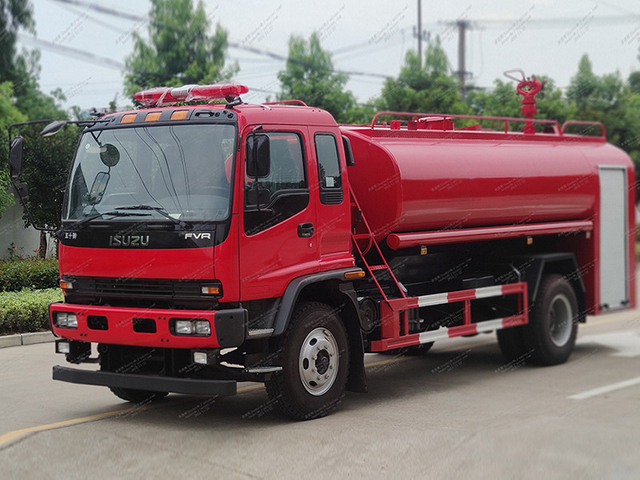
● Fire Trucks: Designed for firefighting, they come with hoses, ladders, and water tanks to tackle fires effectively.
● Street Sweepers: These vehicles help maintain cleanliness on roads by collecting debris and dirt, ensuring urban areas remain tidy.
● Aerial Work Platforms: Used for tasks at height, such as construction or maintenance, these vehicles provide safe access to elevated areas.
● Refrigerated Transport Trucks: Ideal for transporting perishable goods, they maintain low temperatures to preserve freshness.
● Tank Trucks and Mixers: These vehicles transport liquids or mix materials for construction, demonstrating versatility in various industries.
Function | Example Vehicles |
Medical Emergency | Ambulances |
Firefighting | Fire Trucks |
Street Maintenance | Street Sweepers |
Elevated Work | Aerial Work Platforms |
Perishable Goods Transport | Refrigerated Transport Trucks |
Liquid Transport | Tank Trucks and Mixers |
Classification by Construction
Another way to classify special vehicles is by their construction. This can be divided into two main categories:
● Built from the Ground Up: Some special vehicles are designed from the start as specialized units. They are constructed with specific features and equipment tailored to their intended tasks. This allows for optimal performance in their designated roles.
● Modified from Base Chassis: Other special vehicles begin as standard chassis that are then modified. Custom equipment is added to meet specific operational requirements. This approach allows for flexibility, enabling manufacturers to adapt existing vehicles for special purposes.
Construction Type | Description |
Built from the Ground Up | Designed specifically for unique operational needs |
Modified from Base Chassis | Standard vehicles adapted with custom features |
By understanding these classifications, you can better appreciate the diverse range of special vehicles available. Each type plays a vital role in various industries, ensuring efficiency and safety in specialized operations.
Common Examples of Special Vehicles and Their Uses
Emergency & Public Safety Special Vehicles
Emergency and public safety vehicles play crucial roles in protecting lives and property. Here are some notable examples:
● Fire Trucks: These vehicles are equipped with powerful pumps, hoses, and various rescue tools. Fire trucks respond quickly to emergencies, providing firefighters with the necessary equipment to combat fires effectively.
● Ambulances: Customized for medical emergencies, ambulances are fitted with life-saving equipment. They transport patients to hospitals while ensuring medical care en route.
● Police/Security Special Vehicles: These include armored units designed for high-risk situations and command vehicles used for coordinating operations. Their specialized features enhance safety and effectiveness during emergencies.
Vehicle Type | Key Features |
Fire Trucks | Pumps, hoses, rescue tools |
Ambulances | Medical equipment, patient transport |
Police/Security Vehicles | Armored protection, operational command |
Municipal & Urban Service Special Vehicles
Municipal vehicles are essential for maintaining urban environments. They include:
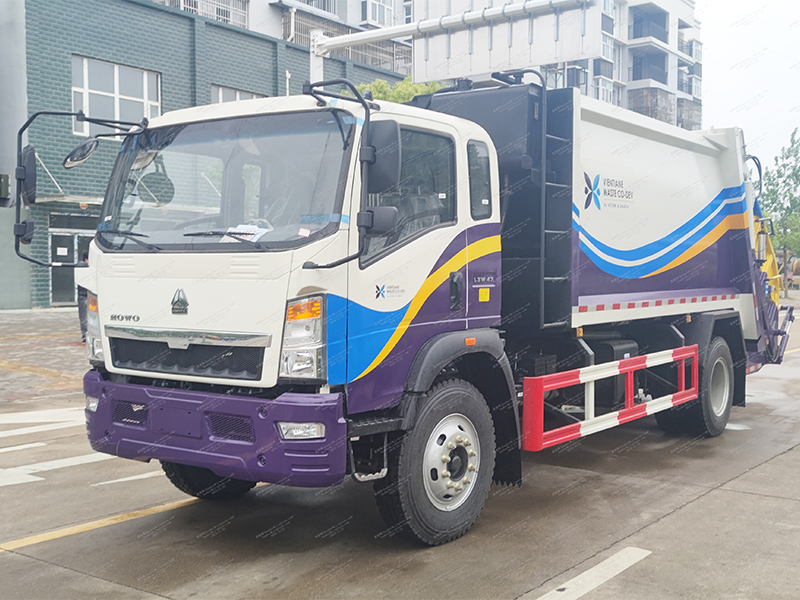
● Garbage Collection Vehicles: Designed for efficient waste collection, these vehicles ensure cleanliness in cities. They often have compacting mechanisms to maximize load capacity.
● Street Sweeping and Cleaning Vehicles: These vehicles help keep roads clean by removing debris and dirt. Their specialized brushes and vacuum systems make urban areas more pleasant.
● Water Spraying and Irrigation Trucks: Used for dust control and landscaping, these trucks distribute water effectively across various terrains. They play a vital role in maintaining green spaces.
Vehicle Type | Purpose |
Garbage Collection Vehicles | Efficient waste management |
Street Sweepers | Urban cleanliness and maintenance |
Water Spraying Trucks | Dust control and irrigation |
Construction & Industrial Special Vehicles
In construction and industrial sectors, specialized vehicles are indispensable. Here are key examples:
● Crane Trucks: These vehicles are equipped with cranes for lifting heavy materials. They are essential on construction sites for moving large items safely.
● Aerial Work Platforms: Used for elevated work, these platforms provide safe access for maintenance and construction tasks at height.
● Bulk Carriers & Pneumatic Trucks: Designed for materials handling, these vehicles transport bulk goods like sand, gravel, or chemicals. Their specialized designs ensure efficient loading and unloading.
Vehicle Type | Function |
Crane Trucks | Lifting heavy materials |
Aerial Work Platforms | Safe access for elevated tasks |
Bulk Carriers | Transporting bulk materials |
Transportation & Logistics Special Vehicles
Transportation and logistics rely on specialized vehicles to meet diverse needs:
● Refrigerated Trucks: Essential for cold chain logistics, these trucks maintain low temperatures to transport perishable goods safely.
● Tanker Vehicles: Used for transporting chemicals or fuels, these vehicles are designed to ensure safe delivery of hazardous materials.
● Heavy-Duty Transporters: These vehicles handle oversized loads, ensuring they are transported securely and efficiently across various terrains.
Vehicle Type | Use |
Refrigerated Trucks | Cold chain logistics |
Tanker Vehicles | Transporting hazardous materials |
Heavy-Duty Transporters | Moving oversized loads |
Specialty & Niche Special Vehicles
Specialty vehicles cater to specific industries and unique tasks:
● Agricultural Special Vehicles: Examples include harvesters, which are designed to efficiently gather crops. These vehicles are vital for modern farming operations.
● Sports/Off-Road Utility Vehicles: These terrain-adapted platforms are used for recreational activities and specialized tasks in rough environments.
Vehicle Type | Industry |
Agricultural Vehicles | Crop gathering and farming operations |
Sports Utility Vehicles | Recreational and specialized off-road tasks |
Technical Features That Make a Vehicle “Special”
Structural and Design Elements
The unique characteristics of special vehicles often begin with their structural and design elements. These vehicles are built to withstand demanding conditions and perform specific tasks effectively. Here are some key features:
● Reinforced Chassis: Many special vehicles have reinforced chassis designed to handle heavy loads or rough terrains. This added strength ensures durability and reliability in challenging environments.
● Special Body Attachments: Custom body attachments enhance functionality. For example, fire trucks may have compartments for hoses and equipment, while ambulances are fitted with medical storage.
● Integration of Systems: Special vehicles often incorporate hydraulic, pneumatic, and electric systems. These integrated systems enable complex operations, like lifting heavy loads or controlling specialized equipment.
Structural Feature | Description |
Reinforced Chassis | Enhanced strength for heavy-duty tasks |
Custom Body Attachments | Specialized compartments for equipment storage |
Integrated Systems | Hydraulic, pneumatic, or electric for operations |
Specialized Equipment Integration
Special vehicles are equipped with various specialized tools that define their capabilities. These tools are essential for the jobs they perform:
● Pumps and Booms: Fire trucks utilize powerful pumps for water supply, while aerial work platforms have booms for reaching high places. These features are crucial for emergency and construction tasks.
● Cranes: In construction, cranes are vital for lifting heavy materials. They are often mounted on trucks, allowing for mobility and versatility on job sites.
● Cold Storage Units: Refrigerated trucks have built-in cold storage for transporting perishable goods. This feature is essential for maintaining food safety during transport.
Equipment Type | Application |
Pumps | Water supply for firefighting |
Booms | Elevated access for maintenance |
Cranes | Lifting heavy materials in construction |
Cold Storage Units | Transporting perishable goods |
Safety & Functional Systems
Safety is a top priority for special vehicles, which often include advanced systems to ensure operational effectiveness. These systems provide crucial support during emergencies:
● Emergency Lighting and Signaling: Special vehicles are equipped with bright emergency lights and audible signals. These features alert other drivers and pedestrians, enhancing safety during operations.
● Advanced Control Systems: Many special vehicles utilize sophisticated control systems and telematics. These systems allow operators to monitor vehicle performance and location, improving efficiency and safety.
● Telematics Systems: These systems provide real-time data on vehicle status, helping fleet managers optimize routes and monitor maintenance needs. By integrating technology, special vehicles can operate more effectively.
Safety Feature | Purpose |
Emergency Lighting | Alerts others during operations |
Advanced Control Systems | Enhances operational efficiency |
Telematics Systems | Monitors performance and optimizes routes |
Conclusion
Understanding what a "special vehicle" means is essential for various industries. These vehicles have unique features that enable success in specialized tasks. They enhance operational efficiency and safety, making them invaluable in many sectors. We encourage you to evaluate your specific needs and explore the options available.
At Changjiang, we offer customized special vehicles designed to meet your requirements. Our products provide unique advantages, ensuring optimal performance. Contact our experts today to get a quote and design the best special vehicle solution for your needs.
FAQ
Q: What is a special vehicle?
A: A special vehicle is designed for specific tasks, featuring unique structures and equipment tailored for those operations.
Q: How are special vehicles used in emergency situations?
A: Special vehicles like ambulances and fire trucks are equipped to handle emergencies, providing essential services quickly and efficiently.
Q: Why are special vehicles important for industries?
A: Special vehicles enhance operational efficiency, safety, and effectiveness in various sectors, making them crucial for industry success.
Q: What are the advantages of using a special vehicle?
A: The advantages include improved task performance, safety features, and specialized equipment that meets specific operational needs.
Q: How do I choose the right special vehicle for my needs?
A: Evaluate your requirements and consider factors like functionality, capacity, and equipment integration to select the best special vehicle.
Q: What is the typical cost of a special vehicle?
A: The cost of a special vehicle varies widely based on its features, specifications, and customization options.


