


What Is Classed As A Special Vehicle?
Views: 0 Author: Site Editor Publish Time: 2026-02-05 Origin: Site


Have you ever wondered what qualifies as a special vehicle? Understanding this can be crucial for buyers and fleet managers alike. In this article, we’ll explore definitions, classifications, and real-world examples of Special Purpose Vehicles (SPVs) . You'll learn how these vehicles impact business decisions and operations.
What Is Classed as a Special Vehicle?
Core Meaning of a Special Vehicle
A special vehicle refers to any vehicle specifically designed, modified, or equipped for tasks beyond the capabilities of standard commercial vehicles. These vehicles often feature specialized equipment and unique body structures tailored for particular operational purposes. For instance, think of fire trucks, ambulances, or construction vehicles. Each serves a distinct function that regular vehicles simply cannot fulfill.
Key Traits of Special Vehicles:
● Specialized Equipment: Custom tools or machinery for specific jobs.
● Unique Body Structures: Designs that cater to specific operational needs.
● Operational Purpose: Focused on tasks like rescue, construction, or transportation of goods.
Special Vehicle vs Regular Commercial Vehicle
When comparing special vehicles to regular commercial trucks, the differences become apparent. Regular commercial vehicles are built for general transport, while special vehicles are tailored for unique functions.
Feature | Special Vehicle | Regular Commercial Vehicle |
Design | Customized for specific tasks | Standardized for general use |
Function | Performs specialized operations | Primarily for cargo transport |
Regulations | Subject to specific legal definitions | Governed by general vehicle laws |
This distinction affects everything from design to regulatory compliance. Special vehicles often require different safety standards and may be subject to unique regulations based on their intended use.
Why the Term Matters in Industry and for Buyers
Understanding the term "special vehicle" is crucial for industry professionals and buyers. In many regions, legal definitions exist that categorize these vehicles for permits and compliance. For example, some jurisdictions may require special vehicles to meet specific safety standards or undergo distinct inspections.
Considerations for Buyers:
● Regulatory Compliance: Ensuring the vehicle meets necessary legal standards.
● Safety Standards: Adhering to specific safety protocols based on vehicle type.
● Insurance Categorization: Different insurance requirements may apply to special vehicles.
Awareness of these factors can significantly impact purchasing decisions, operational efficiency, and overall safety in various industries. By grasping what constitutes a special vehicle, buyers can make informed choices that align with their operational needs and regulatory requirements.
How Special Vehicles Are Defined and Classified
Broad Classification Frameworks for Special Vehicles
Special vehicles can be categorized in several ways. The most common frameworks include function-based, structure-based, and industry-based classifications. Each method highlights different aspects of these vehicles, helping users understand their specific purposes and applications.
● Function-based Classification: This method groups vehicles according to their primary functions. For example, emergency response vehicles are distinct from construction vehicles.
● Structure-based Classification: Here, vehicles are classified based on their physical designs and features. This includes factors like body shape and equipment used.
● Industry-based Classification: This framework segments vehicles according to the industries they serve, such as healthcare, construction, or public services.
Classification by Operational Purpose
Understanding the operational purpose of special vehicles helps clarify their roles in various sectors. Here are some key categories:
Emergency Response Special Vehicles
Emergency response vehicles play a crucial role in life-saving situations. They include:
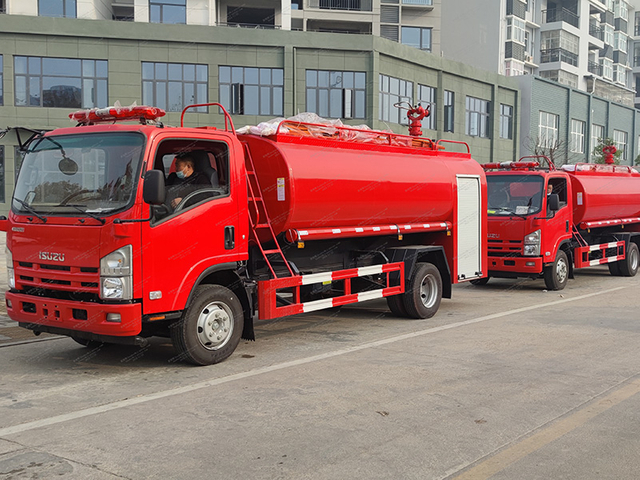
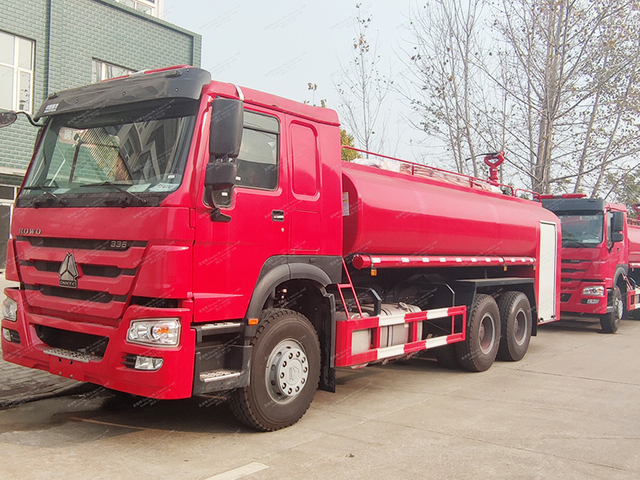
● Fire Trucks: Equipped with hoses, ladders, and water tanks, fire trucks respond to fires and emergencies.
● Rescue Vehicles: Designed for quick response, these vehicles assist in rescue operations during disasters.
● Ambulances: Equipped with medical supplies, ambulances transport patients to hospitals during emergencies.
These vehicles are specifically designed to support life-saving missions and crisis management.
Municipal & Urban Service Special Vehicles
Municipal and urban service vehicles are essential for maintaining public spaces. Examples include:
● Street Sweepers: These vehicles clean streets to enhance urban cleanliness.
● Road Washers: They ensure that roads are kept clean and safe for drivers.
● Garbage Collection Vehicles: These specialized trucks collect waste and keep cities tidy.
These vehicles contribute to the overall sanitation and aesthetics of urban environments.
Industrial & Construction Special Vehicles
In the industrial and construction sectors, specialized vehicles are vital for operations. Key types include:
● Crane Trucks: Equipped with cranes for lifting heavy materials, these vehicles are indispensable on construction sites.
● Aerial Work Platforms: These vehicles allow workers to reach high places safely and efficiently.
● Specialty Equipment Carriers: Designed to transport unique machinery, they support various industrial tasks.
These vehicles enhance productivity and safety in construction and industrial operations.
Transportation & Logistics Special Vehicles
Transportation and logistics rely heavily on specialized vehicles. Notable examples are:
● Refrigerated Trucks: These vehicles maintain low temperatures to transport perishable goods safely.
● Tanker Trucks: Used for transporting liquids or gases, these trucks are essential for various industries.
● Bulk Carriers: These vehicles transport large quantities of goods, making logistics more efficient.
Their design and functionality are tailored to meet specific transportation needs.
Security and Protection Special Vehicles
Security and protection special vehicles are crucial for safety and law enforcement. They include:
● Armored Special Vehicles: Built to withstand attacks, these vehicles protect personnel in high-risk situations.
● Mobile Command Centers: Equipped with communication technology, they support law enforcement and emergency response operations.
These vehicles ensure safety and effective response in critical situations.
Category | Examples |
Emergency Response | Fire trucks, ambulances, rescue vehicles |
Municipal & Urban Service | Street sweepers, garbage collection vehicles |
Industrial & Construction | Crane trucks, aerial work platforms |
Transportation & Logistics | Refrigerated trucks, tanker trucks |
Security and Protection | Armored vehicles, mobile command centers |
By classifying special vehicles in these ways, we can better understand their unique roles and contributions across various industries.
Examples of What Is Classed as a Special Vehicle
Emergency & Public Safety
Special vehicles play a crucial role in emergency and public safety. They are designed to respond quickly to crises and save lives. Here are some key examples:
● Fire Fighting Vehicles: Equipped with hoses, water tanks, and ladders, these vehicles are essential for combating fires and rescuing individuals in danger. They often feature advanced technology for effective firefighting.
● Emergency Rescue Trucks: These trucks are designed to reach accident sites quickly. They carry specialized equipment for rescue operations, including stretchers and medical supplies.
● Ambulances: Vital for transporting patients, ambulances are equipped with medical gear and staffed by trained personnel. Their design focuses on quick access to patients and efficient transport to hospitals.
Municipal and Infrastructure
Municipal and infrastructure vehicles are essential for maintaining urban environments. They help keep cities clean and functional. Here are a few examples:
● Street Cleaning Vehicles: These vehicles help maintain cleanliness in urban areas. They use brushes and vacuums to remove debris and litter from streets.
● Garbage Compactors: Designed to compress waste, these vehicles ensure efficient garbage collection. They minimize the number of trips needed to dispose of waste, making them cost-effective.
● Sewer Cleaning Trucks: Equipped with high-pressure water jets, these trucks clean and maintain sewer systems. They play a vital role in preventing blockages and ensuring proper sanitation.
Industrial & Heavy-Duty Vehicles
In industrial settings, special vehicles are crucial for heavy-duty tasks. Their design caters to specific operational needs. Key examples include:
● Crane Trucks: These vehicles are equipped with cranes for lifting heavy loads. They are commonly used in construction and logistics to move materials efficiently.
● High Altitude Work Platforms: Designed for working at significant heights, these platforms allow workers to perform maintenance and repairs safely. They are essential for tasks such as building maintenance and electrical work.
● Road Maintenance Vehicles: These vehicles are used for repairing and maintaining roads. They may include asphalt spreaders and patching machines, ensuring road safety and longevity.
Logistics & Transport Special Vehicles
Special vehicles in logistics and transport are tailored for specific cargo needs. Their design ensures safe and efficient transportation. Examples include:
● Temperature Controlled Vehicles: These vehicles maintain specific temperatures for transporting perishable goods like food and pharmaceuticals. They are crucial for preserving product quality during transit.
● Tank Trucks (Fuel, Chemicals, Liquids): Designed to transport various liquids, these trucks are built with safety features to prevent leaks and spills. They are commonly used in industries like fuel distribution and chemical transport.
● Bulk Goods Special Transport: These vehicles are designed to carry large quantities of bulk goods, such as grains or aggregates. Their design allows for efficient loading and unloading.
Optional and Niche Special Vehicles
Some special vehicles serve niche markets or specific industries. These vehicles may not be as common, but they fulfill important roles. Examples include:
● Agricultural Special Vehicles: These include tractors and harvesters designed for farming tasks. They enhance productivity and efficiency in agricultural operations.
● Mine-Site Utility Vehicles: Built for rugged terrain, these vehicles support mining operations by transporting personnel and equipment across challenging landscapes.
● Airport Ground Support Vehicles: These specialized vehicles assist in aircraft operations, including baggage handling and refueling. They ensure smooth airport operations and enhance passenger experience.
Category | Examples |
Emergency & Public Safety | Fire fighting vehicles, ambulances |
Municipal and Infrastructure | Street cleaning vehicles, garbage compactors |
Industrial & Heavy-Duty | Crane trucks, high altitude work platforms |
Logistics & Transport | Temperature controlled vehicles, tank trucks |
Optional and Niche | Agricultural vehicles, airport ground support |
These examples illustrate the diverse range of special vehicles and their importance across different sectors. Each type is tailored to meet specific operational needs, enhancing efficiency and safety in various environments.
Technical Features That Classify a Vehicle as a Special Vehicle
Custom Chassis and Upper Body Integration
One of the defining features of a special vehicle is its custom chassis and upper body integration. Unlike standard vehicles, special vehicles often require modified or entirely custom structural designs. This customization allows them to accommodate specific operational needs. For instance, a fire truck may have a chassis designed to support heavy equipment, while an ambulance may have a layout optimized for medical personnel and equipment.
Key Considerations:
● Weight Distribution: Custom designs ensure proper weight distribution for stability during operations.
● Space Utilization: The integration of specialized equipment is optimized for efficient space usage.
● Durability: Custom structures are built to withstand the demands of their specific tasks.
Specialized Equipment & Functional Modules
Special vehicles are equipped with various specialized equipment and functional modules tailored for their intended tasks. This equipment enhances their capabilities and ensures they can perform effectively in unique environments.
● Pumps: Commonly found in fire trucks and sewage cleaning vehicles, pumps are essential for moving fluids efficiently.
● Booms and Cranes: These are crucial in construction and rescue vehicles, allowing for lifting heavy loads or reaching elevated areas.
● Tanks: Used in vehicles like tankers, these are designed to carry liquids or gases safely.
Here’s a table summarizing the equipment types and their applications:
Equipment Type | Common Applications |
Pumps | Firefighting, sewage cleaning |
Booms | Construction, rescue operations |
Cranes | Heavy lifting in construction |
Tanks | Transporting liquids, chemicals |
Safety & Control Systems
Safety is paramount in special vehicles, which often feature enhanced safety systems tailored for specific tasks. These systems are designed to protect both operators and the public during operations.
● Advanced Braking Systems: Many special vehicles are equipped with superior braking systems to handle heavy loads and emergency situations.
● Stability Control: This feature helps maintain balance, especially in vehicles that lift or transport heavy items.
● Emergency Response Systems: Vehicles like ambulances are fitted with sirens and lights to ensure swift navigation through traffic.
These safety features are critical for maintaining operational safety and compliance with regulations.
Telematics and Operational Integration
Modern special vehicles increasingly incorporate telematics and operational integration technologies. These smart vehicles come equipped with integrated monitoring systems that provide real-time data on vehicle performance and operational status.
● GPS Tracking: This allows for efficient routing and monitoring of vehicle locations, crucial for emergency response vehicles.
● Performance Monitoring: Sensors track fuel efficiency, load capacity, and maintenance needs, helping optimize operations.
● Communication Systems: Integrated communication tools enhance coordination among team members during missions.
The integration of these technologies not only improves efficiency but also enhances safety and operational effectiveness.
Feature | Description |
GPS Tracking | Real-time location monitoring |
Performance Monitoring | Data on fuel efficiency and load capacity |
Communication Systems | Tools for team coordination during operations |
By understanding these technical features, we can see how special vehicles are designed to meet specific operational demands and ensure safety in various environments.
Conclusion
A special vehicle is defined as one designed for specific tasks beyond standard vehicles. This classification is crucial for businesses, impacting operations and compliance. Understanding these definitions helps in making informed decisions.
Explore Changjiang's special vehicle solutions to find the right fit for your needs. Request a quote for your required special vehicle and consult with experts to classify it effectively. Changjiang offers unique advantages, ensuring value and efficiency in your operations.
FAQ
Q: What is a special vehicle?
A: A special vehicle is designed for specific tasks, such as emergency response or construction.
Q: How are special vehicles classified?
A: Special vehicles are classified based on function, structure, and industry, ensuring they meet unique operational needs.
Q: Why are special vehicles important for businesses?
A: Special vehicles enhance efficiency and safety, making them essential for operations in various industries.
Q: What are the advantages of using a special vehicle?
A: They offer tailored features, improved safety systems, and specialized equipment for specific tasks.
Q: How much does a special vehicle cost?
A: The cost of a special vehicle varies based on its type, features, and customization requirements.
Q: Can I modify a standard vehicle into a special vehicle?
A: Yes, many standard vehicles can be modified to meet the specifications of a special vehicle.


