


Equipment for Storm Cleanup And Recovery
Views: 0 Author: Site Editor Publish Time: 2026-02-16 Origin: Site


After hurricanes, floods, and tornadoes, communities face immense challenges. Standard vehicles often fall short in disaster response. Special purpose vehicles are crucial for improving efficiency, safety, and speed during storm cleanup and recovery. In this post, you'll learn how to choose the right special vehicle equipment for effective disaster recovery.
What Is Storm Cleanup and Recovery Equipment?
Understanding Storm Cleanup vs. Recovery Phases
Storm cleanup and recovery encompass multiple phases, each with distinct goals. Initially, emergency response focuses on immediate safety and health needs. This phase includes search and rescue operations, medical assistance, and securing hazardous areas. Following this, debris removal plays a crucial role in clearing roads and restoring access.
In contrast, infrastructure restoration involves repairing and rebuilding essential services like power, water, and transportation. This long-term effort ensures communities can return to normalcy.
It's important to note the difference between short-term cleanup and long-term recovery operations. Short-term cleanup aims to remove visible debris and restore immediate safety. Long-term recovery encompasses rebuilding homes, infrastructure, and community services, which can take months or even years.
Phase | Focus | Duration |
Emergency Response | Immediate safety | Days to weeks |
Debris Removal | Clearing access | Weeks to months |
Infrastructure Restoration | Rebuilding services | Months to years |
Why Special Vehicles Are Critical in Disaster Environments
In disaster environments, the need for special vehicles becomes evident. Extreme terrain, debris, and water can hinder access. Standard vehicles often lack the capability to navigate flooded roads or rough landscapes. Special vehicles, such as all-terrain trucks and vacuum trucks, are designed to handle these challenges effectively.
Safety is another critical factor. Operators and recovery teams face numerous hazards, from falling debris to contaminated water. Special vehicles are equipped with safety features that protect workers during cleanup operations. This includes reinforced frames, advanced braking systems, and secure access points.
Moreover, compliance with municipal and emergency response standards is essential. Special vehicles must meet specific regulations to ensure they can operate in disaster situations. This compliance not only enhances safety but also ensures efficient coordination with emergency response teams.
Key Features of Special Vehicles
● All-Terrain Capability: Designed to navigate difficult landscapes.
● Safety Equipment: Features like roll cages and safety harnesses for operators.
● Compliance Standards: Meets local and federal regulations for disaster response.
Special vehicles are not just tools; they are lifelines that enable communities to recover effectively after storms. Their unique capabilities make them indispensable in ensuring safety and efficiency during the recovery process.
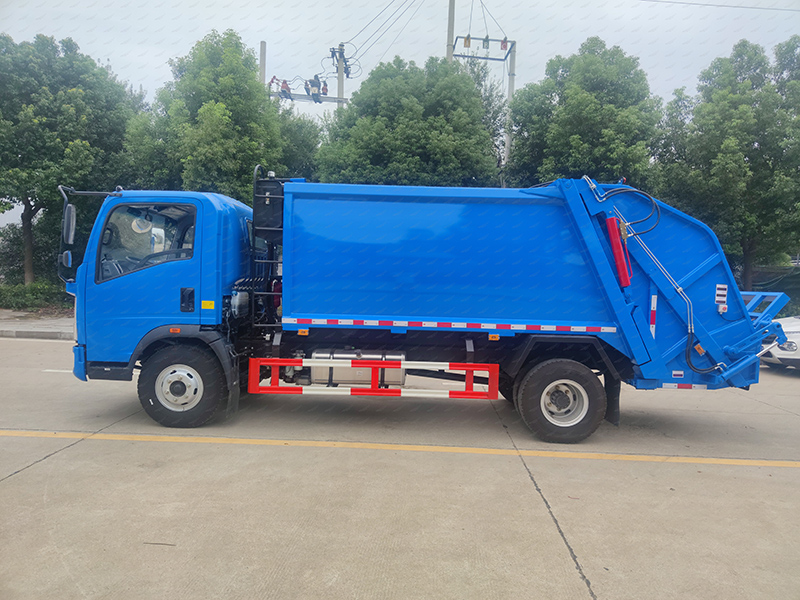
Types of Storm Damage That Require Specialized Vehicles
Flood Damage and Water Contamination
Flooding can create a myriad of problems, including standing water, sewage overflow, and hazardous liquids. When storms hit, water can rise rapidly, leading to contaminated areas that require immediate attention. Specialized vehicles, like vacuum trucks, are essential for efficiently removing standing water and sewage. These vehicles can suction up contaminated liquids, ensuring that hazardous materials are properly disposed of.
Moreover, mud and debris often accompany flooding. Heavy-duty vehicles, such as bulldozers and excavators, are crucial for clearing roads and restoring access. They can tackle the thick mud and large debris that regular vehicles simply cannot handle.
Type of Flood Damage | Specialized Vehicle Needed |
Standing Water | Vacuum Trucks |
Sewage Overflow | Heavy-Duty Dump Trucks |
Mud and Debris | Bulldozers, Excavators |
Wind and Tornado Damage
Wind and tornadoes can wreak havoc on communities, resulting in fallen trees, collapsed structures, and scattered debris. The aftermath often resembles a war zone, where access is severely restricted. Specialized vehicles, like grapple trucks and chipper trucks, are vital for efficiently removing fallen trees and debris.
In addition to clearing fallen objects, damaged power lines and utility poles pose serious hazards. Bucket trucks are essential for safely accessing and repairing these utilities. They allow crews to work at heights, ensuring that power can be restored quickly and safely.
Key Challenges from Wind Damage
● Fallen Trees: Require grapple trucks for removal.
● Collapsed Structures: Need heavy machinery for safe debris clearance.
● Utility Repairs: Bucket trucks are necessary for restoring power.
Hurricane and Coastal Storm Damage
Hurricanes and coastal storms can leave behind extensive damage, including large-scale debris, flooded roads, and compromised infrastructure. The sheer volume of debris necessitates specialized vehicles for efficient cleanup. For instance, large dump trucks and excavators are essential for transporting and removing massive amounts of debris from affected areas.
Flooded roads can hinder access for emergency responders. High-clearance vehicles and all-terrain trucks are crucial for navigating these challenging conditions. They ensure that crews can reach those in need, regardless of the obstacles.
Damage Type | Required Specialized Vehicles |
Large-Scale Debris | Heavy-Duty Dump Trucks, Excavators |
Flooded Roads | All-Terrain Vehicles |
Damaged Infrastructure | Crane Trucks for structural repairs |
Post-Fire and Secondary Storm Hazards
After a fire, the landscape changes drastically, creating new challenges. Burned debris can lead to unstable ground and air quality issues. Specialized vehicles like air scrubbers and debris removal trucks are essential for addressing these hazards.
Air scrubbers help filter out harmful particles from the air, ensuring that recovery teams can work safely. Additionally, heavy machinery is needed to clear away burned debris, making way for new growth and rebuilding efforts.
Post-Fire Challenges
● Unstable Ground: Requires careful assessment and specialized equipment.
● Air Quality Issues: Air scrubbers are necessary for safe working conditions.
● Debris Removal: Heavy-duty trucks are essential for clearing burned materials.
Specialized vehicles play a crucial role in addressing the diverse types of storm damage. Their unique capabilities allow recovery teams to tackle challenges effectively, ensuring communities can begin the long process of rebuilding.
Special Vehicles Used as Equipment for Storm Cleanup and Recovery
Vacuum Trucks for Flooded Areas and Contaminated Water Removal
Vacuum trucks are vital in storm cleanup, especially in flooded areas. These specialized vehicles use powerful suction to remove water, sewage, sludge, and hazardous liquids. By creating a vacuum, they can efficiently extract contaminated materials from the ground, preventing further environmental damage.
After floods, the presence of sewage and hazardous liquids poses serious health risks. Vacuum trucks are essential for ensuring that these materials are removed swiftly and safely. Municipalities and contractors rely on them for various applications, including cleaning sewers and maintaining public health in affected communities.
Application | Benefits |
Sewage Removal | Prevents health hazards |
Floodwater Extraction | Restores safe living conditions |
Contaminated Site Cleanup | Protects the environment |
Dump Trucks and Debris Hauling Special Vehicles
Dump trucks are crucial for transporting storm debris efficiently. They come in high-capacity models specifically designed for disaster zones, allowing for quick and effective debris removal. Reinforced dump trucks outperform standard hauling vehicles due to their durability and ability to handle heavy loads.
These trucks are built to withstand the rigors of storm cleanup, making them ideal for hauling everything from fallen trees to construction debris. Their robust design ensures they can operate in challenging conditions, ensuring that recovery efforts remain on track.
Key Features of Dump Trucks
● High Capacity: Can transport large volumes of debris in a single trip.
● Reinforced Design: Built to handle heavy and bulky materials.
● Versatility: Suitable for various types of debris, including construction waste.
Crane Trucks and Boom Trucks for Heavy Lifting
Clearing collapsed structures and large debris is a significant challenge after storms, and crane trucks and boom trucks are essential for this task. Crane trucks are designed to lift and move heavy materials, making them invaluable for removing large obstacles from roads and properties.
Boom trucks, while similar, offer unique advantages in storm recovery. They provide extended reach and versatility for lifting damaged equipment and materials. Understanding the differences between these two types of trucks is critical for effective recovery operations.
Truck Type | Primary Use | Advantages |
Crane Trucks | Heavy lifting and moving debris | High lifting capacity |
Boom Trucks | Accessing hard-to-reach areas | Versatile and adaptable |
Bucket Trucks for Utility and Infrastructure Restoration
After a storm, restoring power lines, lighting, and communication systems is crucial. Bucket trucks provide safe access to elevated and hard-to-reach areas, allowing crews to perform necessary repairs efficiently. These special vehicles are equipped with hydraulic booms that lift workers safely to the required height.
Bucket trucks are critical in storm recovery because they facilitate quick restoration of essential services. Their design ensures that utility workers can operate safely, minimizing risks while working at heights.
Benefits of Bucket Trucks
● Safety: Provides secure access for workers in elevated positions.
● Efficiency: Enables quick repairs to critical infrastructure.
● Versatility: Suitable for various utility and maintenance tasks.
Water Trucks for Cleaning, Dust Control, and Emergency Supply
Water trucks play a multifaceted role in storm recovery. They are essential for cleaning roads and sites after debris removal, ensuring that areas are safe for traffic and recovery efforts. Additionally, these trucks supply potable and non-potable water to affected communities, addressing immediate needs.
Dust control is another important function of water trucks during recovery construction. By spraying water, they help reduce dust and improve air quality, ensuring a safer working environment for recovery teams.
Function | Purpose |
Road Cleaning | Ensures safe transportation |
Water Supply | Addresses community needs |
Dust Control | Improves air quality during work |
Digger Derricks for Utility Pole Replacement
Restoring electricity and telecom infrastructure is vital after a storm, and digger derricks are essential for this task. These specialized vehicles are designed to dig holes and set utility poles efficiently, making them invaluable for restoring power and communication lines.
Digger derricks come in both track-mounted and truck-mounted options, providing flexibility depending on the terrain and specific job requirements. Their unique capabilities allow utility crews to work effectively in various conditions, ensuring that essential services are restored quickly.
Digger Derrick Features
● Utility Restoration: Efficiently replaces damaged poles.
● Track-Mounted Options: Ideal for navigating rough terrain.
● Truck-Mounted Options: Offers mobility and versatility.
Multi-Purpose Emergency Response Vehicles
Multi-purpose emergency response vehicles combine transport, lifting, and recovery functions into one unit. These customized special vehicles are designed to meet the diverse needs of disaster response teams. By integrating multiple capabilities, they streamline operations and improve response times.
The advantages of these vehicles include reduced need for multiple units, saving time and resources during critical recovery efforts. They can adapt to various tasks, making them invaluable in unpredictable disaster scenarios.
Vehicle Type | Functions | Benefits |
Multi-Purpose Vehicles | Transport, lifting, recovery | Streamlined operations |
Customized Designs | Tailored for specific needs | Increased efficiency |
Special vehicles are the backbone of effective storm cleanup and recovery. Their unique designs and capabilities allow recovery teams to tackle the diverse challenges posed by natural disasters, ensuring communities can rebuild and recover more effectively.
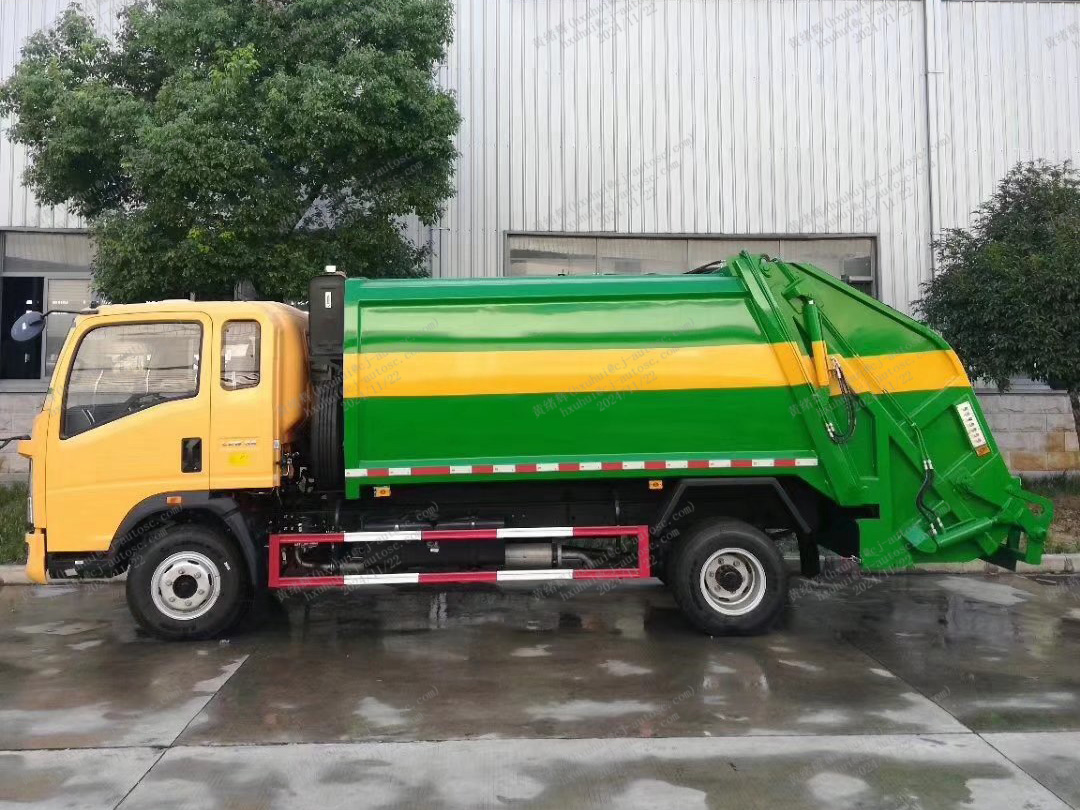
How Different Special Vehicles Are Used in Storm Cleanup Scenarios
Urban Storm Cleanup Operations
In urban areas, storm cleanup operations present unique challenges. Narrow streets often restrict access for larger vehicles, making it essential to use specialized equipment designed for tight spaces. Residential debris, fallen trees, and damaged utility lines require efficient removal to restore normalcy quickly.
The best special vehicles for city recovery include compact dump trucks, vacuum trucks, and bucket trucks. Compact dump trucks can navigate narrow roads while hauling debris away from residential areas. Vacuum trucks are ideal for removing standing water and sewage, ensuring public health is maintained. Bucket trucks provide safe access to overhead utility lines, allowing crews to restore power swiftly.
Vehicle Type | Key Functions | Ideal Use Case |
Compact Dump Trucks | Haul debris | Navigating narrow streets |
Vacuum Trucks | Remove contaminated water | Urban flood response |
Bucket Trucks | Repair utility lines | Accessing elevated areas |
Rural and Remote Disaster Areas
Rural and remote disaster areas pose different challenges during storm cleanup. Limited access and damaged roads can hinder recovery efforts significantly. In these scenarios, vehicles designed for mobility and durability are crucial.
All-terrain vehicles, such as tracked excavators and heavy-duty pickups, excel in these environments. They can navigate rough terrain and reach off-grid locations where conventional vehicles might struggle. Additionally, specialized water trucks are vital for supplying clean water to communities cut off from regular sources.
Key Features for Rural Recovery Vehicles
● All-Terrain Capability: Ensures access to difficult locations.
● Durability: Built to withstand harsh conditions.
● High Clearance: Allows navigation over debris and obstacles.
Vehicle Type | Advantages | Applications |
Tracked Excavators | Excellent mobility | Clearing debris in remote areas |
Heavy-Duty Pickups | Versatile for various tasks | Transporting supplies and crews |
Water Trucks | Provides essential water supply | Supporting affected communities |
Municipal vs. Private Contractor Applications
When it comes to storm cleanup, there are significant differences between municipal and private contractor applications. Public sector emergency fleets are typically equipped with a range of vehicles, including larger dump trucks, vacuum trucks, and specialized utility vehicles. These fleets are designed to respond quickly to emergencies and restore services efficiently.
On the other hand, private contractors often utilize commercial storm cleanup and recovery services. They may have specialized vehicles tailored to specific tasks, such as debris removal or utility restoration. These contractors often work alongside municipal teams to ensure a coordinated response.
Sector | Vehicle Types | Key Characteristics |
Municipal Fleets | Larger dump trucks, vacuum trucks | Quick response capabilities |
Private Contractors | Specialized utility vehicles | Tailored for specific needs |
The collaboration between municipal fleets and private contractors enhances the overall effectiveness of storm recovery efforts. By leveraging the strengths of both sectors, communities can recover faster and more efficiently from storm damage.
Why Special Vehicles Improve Efficiency and Reduce Recovery Time
Faster Cleanup Means Safer Communities
When storms hit, the speed of cleanup operations directly impacts community safety. Special vehicles, such as vacuum trucks and debris haulers, enable rapid removal of hazardous materials and debris. This quick action minimizes risks, such as accidents caused by fallen trees or flooding.
For instance, vacuum trucks can swiftly extract contaminated water, reducing the chances of waterborne diseases. Similarly, specialized debris removal vehicles can clear roads faster, allowing emergency services to access affected areas more efficiently. The result is a safer environment for residents and first responders alike.
Benefit | Impact on Community |
Rapid Debris Removal | Reduces accidents |
Quick Water Extraction | Minimizes health risks |
Accessible Emergency Services | Ensures timely assistance |
Reduced Labor Risk and Operational Downtime
Using special vehicles not only enhances efficiency but also reduces labor risks and operational downtime. Traditional cleanup methods often require more manpower, increasing the chances of injuries. In contrast, specialized vehicles are designed to handle heavy lifting and hazardous materials, allowing workers to focus on supervising operations rather than performing dangerous tasks.
For example, crane trucks and digger derricks can lift heavy debris without putting workers at risk. This shift leads to fewer injuries and less downtime, ensuring that recovery efforts remain on schedule. Moreover, the use of specialized equipment means that fewer workers are needed on-site, which further reduces exposure to potential hazards.
Key Advantages of Using Special Vehicles
● Enhanced Safety: Specialized equipment reduces the risk of injury.
● Less Labor Required: Fewer workers needed for dangerous tasks.
● Minimized Downtime: Quick operations keep recovery on track.
Long-Term Cost Savings for Municipalities and Contractors
Investing in special vehicles may seem costly upfront, but the long-term savings are significant for municipalities and contractors. Efficient cleanup operations lead to quicker recovery times, which reduces the overall costs associated with prolonged recovery efforts.
Moreover, specialized vehicles are often more durable and require less maintenance than standard equipment. This durability translates to lower operational costs over time. For municipalities, this means tax dollars can be allocated more effectively, while contractors can improve their profit margins by completing jobs faster and more efficiently.
Cost Factor | Traditional Methods | Special Vehicles |
Initial Investment | Lower | Higher |
Maintenance Costs | Higher over time | Lower due to durability |
Recovery Time | Longer | Significantly shorter |
By leveraging special vehicles, communities can not only enhance safety and efficiency but also achieve substantial cost savings. This strategic investment in specialized equipment ultimately leads to more resilient and prepared communities ready to face future challenges.
Conclusion
Investing in the right special vehicles for storm cleanup and recovery is crucial. Preparation before disasters strike can significantly enhance response efforts. Purpose-built special vehicles offer long-term value by ensuring efficient operations. The right equipment supports faster and safer community recovery, minimizing risks and enhancing safety.
For tailored solutions, explore customized special vehicle options that match your recovery needs. Contact specialists to configure storm cleanup vehicles suitable for your region. Companies like Changjiang provide high-quality products that deliver exceptional value, ensuring communities are well-equipped for any storm-related challenges.
FAQ
Q: What is a special vehicle used for storm cleanup?
A: A special vehicle is designed specifically for tasks like debris removal, water extraction, and utility restoration after storms.
Q: How do special vehicles improve storm recovery efficiency?
A: Special vehicles enhance efficiency by enabling faster cleanup, reducing labor risks, and minimizing operational downtime.
Q: Why are vacuum trucks considered special vehicles for flood recovery?
A: Vacuum trucks are specialized vehicles that effectively remove contaminated water and sewage, ensuring community safety.
Q: What types of special vehicles are best for urban storm cleanup?
A: Compact dump trucks and bucket trucks are ideal special vehicles for navigating narrow city streets during storm recovery.
Q: How much do special vehicles for storm cleanup typically cost?
A: The cost of special vehicles varies based on type and features, but investing in them can lead to long-term savings for municipalities.


