


A Guide To Special Purpose Vehicle (SPV) Formation, Governance, And Maintenance
Views: 0 Author: Site Editor Publish Time: 2026-02-11 Origin: Site


Have you ever wondered how Special Purpose Vehicles (SPVs) impact various industries? These vehicles play a crucial role in municipal, industrial, and emergency operations. In this guide, we’ll clarify what SPVs are and how they differ from financial SPVs. You’ll learn about their formation, governance, and maintenance.
Understanding Special Purpose Vehicles (SPVs)
What Is a Special Purpose Vehicle (SPV)?
A special purpose vehicle (SPV) is designed for specific tasks, unlike standard commercial trucks. These vehicles are tailored to meet unique operational needs, making them essential in various industries.
Key Differences Between SPVs and Standard Trucks:
Feature | Special Purpose Vehicle | Standard Commercial Truck |
Customization | Highly customizable | Limited customization |
Functionality | Task-specific | General transportation |
Design | Specialized equipment | Standard design |
Customization is the core value of SPVs. They can be modified to handle specific tasks, such as firefighting, waste management, or utility maintenance. This adaptability ensures they perform efficiently in challenging environments.
Who Uses Special Purpose Vehicles?
Special purpose vehicles are utilized by a diverse range of users. Here are some key groups:
1. Municipal Governments and Public Service Departments
Municipalities rely on SPVs for services like waste collection, street maintenance, and public transportation. These vehicles are designed to meet local needs, ensuring efficient service delivery.
2. Emergency Response and Disaster Recovery Teams
In emergencies, SPVs play a critical role. They are equipped to provide immediate assistance, transport personnel, and deliver essential supplies during disasters.
3. Construction, Logistics, and Industrial Operators
The construction industry often uses SPVs for transporting materials and equipment. Their specialized designs allow for effective operation in rugged environments, enhancing productivity.
4. Private Contractors and Fleet Owners
Contractors invest in SPVs to cater to their specific operational demands. Fleet owners also benefit from the versatility of these vehicles, optimizing their service offerings.In summary, special purpose vehicles are indispensable across various sectors. Their unique designs and functionalities make them a vital asset for efficient operations.
SPV Formation
What Does “Formation” Mean for a Special Purpose Vehicle?
Formation refers to the process of creating a special purpose vehicle (SPV) tailored to meet specific operational needs. This involves translating those needs into detailed vehicle specifications. For instance, we must consider the tasks the vehicle will perform, the environment it will operate in, and the relevant regulations that govern its use.
Key Considerations in SPV Formation:
● Operational Needs: Identify what tasks the SPV must accomplish.
● Environmental Factors: Assess the conditions where the vehicle will operate.
● Regulatory Compliance: Ensure the design meets local and national standards.
Key Factors That Define SPV Formation
When forming an SPV, several key factors come into play. These include application scenarios, chassis selection, and functional system design. Each factor contributes to the overall effectiveness of the vehicle in its designated role.
Application Scenarios
SPVs are utilized in various scenarios, each requiring different specifications. Here are some common applications:
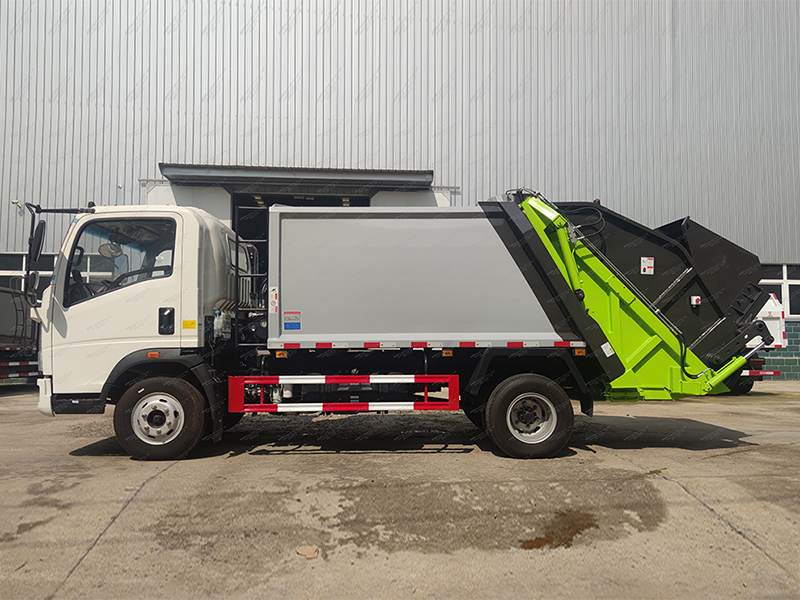
1. Sanitation and Waste Management
2. These vehicles are designed to handle waste collection and disposal efficiently.Emergency Rescue and Firefighting
3. SPVs in this category are equipped for rapid response, carrying firefighting equipment or rescue teams.Lifting, Aerial Work, and Construction Support
4. Specialized vehicles are essential for construction tasks, providing lifting capabilities and support.Cold Chain and Special Cargo Transportation
Vehicles designed for transporting temperature-sensitive goods require specific features for maintaining conditions.Chassis Selection for Special Vehicles
Choosing the right chassis is crucial for the performance of an SPV. The options vary based on load capacity and terrain.
Chassis Configurations:
Configuration | Description | Best Suited For |
4×2 | Standard for lighter loads | Urban environments |
6×4 | Balanced load capacity | General use in varied terrains |
8×4 | Heavy-duty, high load capacity | Construction and industrial work |
Factors like load capacity, road conditions, and terrain must be considered. Additionally, the choice between diesel and alternative fuel platforms affects both performance and environmental impact.
Upper Body and Functional System Design
The upper body of an SPV is where the real functionality comes into play. It includes various systems that enhance the vehicle's capabilities.
● Hydraulic Systems and Power Take-Off (PTO): These systems provide the necessary power for specialized equipment, making them essential for tasks like lifting and towing.
● Control Systems and Automation Levels: Modern SPVs often incorporate advanced control systems, allowing for automation that increases efficiency and safety.
● Structural Materials and Corrosion Protection: The choice of materials impacts durability. Using corrosion-resistant materials ensures longevity, especially in harsh environments.
By carefully considering these factors during formation, we can create SPVs that effectively meet the demands of their intended applications.
SPV Governance
What Is Special Vehicle Governance?
When we talk about special vehicle governance, it’s essential to distinguish it from general fleet management. While fleet management focuses on the overall operation of a group of vehicles, special vehicle governance zeroes in on the unique requirements of SPVs. These vehicles often have specific operational needs, which is why they require stricter control measures.
Key Differences:
Aspect | Fleet Management | Special Vehicle Governance |
Scope | General vehicle oversight | Specific operational control |
Flexibility | Broader strategies | Tailored protocols |
Compliance Focus | General regulations | Stricter safety and compliance |
Safety and Compliance Governance for SPVs
Safety and compliance are critical in managing special vehicles. It’s not just about keeping the vehicles operational; it’s about ensuring they are safe for both operators and the public. Here are some key aspects of governance in this area:
● Operator Training and Certification Requirements: Proper training ensures that operators are familiar with the unique features and safety protocols of SPVs. Certification programs help maintain high standards.
● Daily Inspection and Operational Checklists: Regular inspections are vital. Daily checklists should include items like fluid levels, tire conditions, and equipment functionality to ensure safe operation.
● Compliance with Local Regulations: Each region has specific road, safety, and environmental regulations. Understanding and adhering to these laws is essential for legal operation.
Operational Governance by Vehicle Type
Different types of special vehicles require tailored governance strategies. Let’s explore how governance varies across various applications.
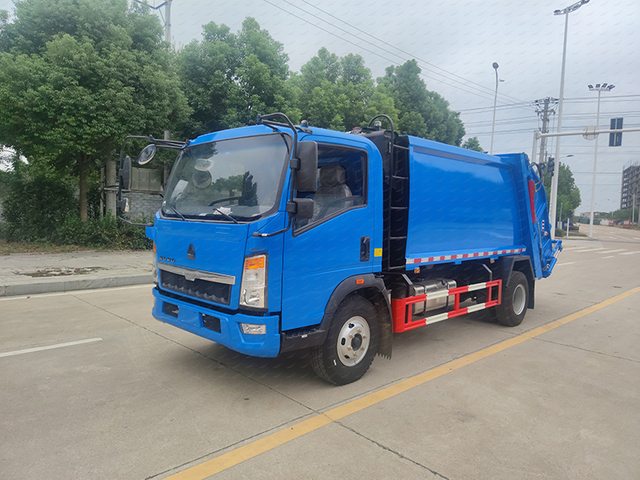
Governance for Sanitation Special Vehicles
For sanitation vehicles, effective governance includes:
● Route Planning and Efficiency Optimization: Efficient route planning minimizes fuel consumption and enhances service delivery.
● Waste Loading and Unloading Safety Practices: Implementing safety practices during loading and unloading prevents accidents and ensures compliance with health regulations.
Governance for Crane Trucks and Aerial Vehicles
Crane trucks and aerial vehicles have unique operational challenges:
● Lifting Operation Planning and Risk Assessment: Careful planning is necessary to assess risks associated with lifting operations. This includes evaluating site conditions and load weights.
● Stabilization, Load Limits, and Safety Zones: Operators must understand the importance of stabilization techniques and adhere to load limits to avoid accidents.
Governance for Emergency Response Vehicles
Emergency response vehicles must be ready at all times, necessitating specific governance measures:
● 24/7 Readiness and Rapid Deployment Standards: These vehicles must be maintained in a state of readiness to respond quickly to emergencies.
● Equipment Availability and Emergency Maintenance Protocols: Regular checks and maintenance of equipment ensure that all tools and vehicles are functional when needed.
By implementing robust governance strategies, organizations can effectively manage their special vehicles, ensuring safety, compliance, and operational efficiency.
SPV Maintenance
Why Special Vehicle Maintenance Is Different
Maintaining special purpose vehicles (SPVs) is crucial, as their demands differ significantly from standard trucks. Heavy loads, hydraulic systems, and exposure to harsh environments contribute to unique wear and tear. For instance, the constant strain from heavy lifting can lead to faster degradation of components compared to regular vehicles.
Key Factors Affecting Maintenance:
● Heavy Loads: SPVs often carry loads that exceed those of standard trucks, increasing stress on the vehicle.
● Hydraulic Systems: These systems require regular checks and maintenance to ensure they function properly, as they are vital for many SPV operations.
● Harsh Environments: Operating in rugged conditions accelerates wear and can lead to frequent breakdowns.
Preventive vs. Reactive Maintenance for Special Vehicles
When it comes to maintenance, organizations can choose between preventive and reactive approaches. Preventive maintenance focuses on regular checks and servicing to avoid breakdowns, while reactive maintenance involves fixing issues after they arise.
Benefits of Preventive Maintenance Programs:
● Cost Savings: Regular maintenance prevents expensive repairs down the line.
● Safety Assurance: Keeping vehicles in top shape reduces the risk of accidents caused by equipment failure.
On the other hand, delaying repairs can lead to significant safety risks and higher costs due to unexpected breakdowns.
Recommended Special Vehicle Maintenance Schedule
A structured maintenance schedule helps ensure the longevity and reliability of SPVs. Below is a breakdown of daily, weekly, monthly, and annual maintenance tasks.
Daily Maintenance Checks
Daily inspections are essential to catch issues before they escalate. Key checks include:
● Hydraulic System Inspection: Look for leaks and ensure fluid levels are adequate.
● Visual Safety and Leakage Checks: Inspect for any visible leaks or signs of wear.
● Tire, Brake, and Lighting Inspections: Ensure tires are properly inflated, brakes are responsive, and lights function correctly.
Weekly and Monthly Maintenance Tasks
In addition to daily checks, weekly and monthly tasks help maintain overall vehicle health. These tasks include:
● Lubrication of Moving Parts: Regular lubrication reduces friction and wear on components.
● Hydraulic Oil and Filter Checks: Ensure the hydraulic oil is clean and at the right level; replace filters as needed.
● Structural Inspection of Upper Bodies: Check for any signs of damage or corrosion that could affect performance.
Annual Maintenance and Overhaul Planning
Annual maintenance is crucial for long-term vehicle health. This includes:
● Major Component Inspection: Conduct thorough checks on critical components like engines and transmissions.
● Corrosion Treatment and Repainting: Address any corrosion issues to prolong the vehicle's life.
● Repair vs. Replacement Decision-Making: Assess whether components should be repaired or replaced based on their condition.
By following a comprehensive maintenance plan, organizations can ensure their special vehicles remain operational and safe, minimizing downtime and maximizing efficiency.
Conclusion
Building a reliable special purpose vehicle strategy is essential for businesses. Proper SPV formation reduces long-term costs significantly. Effective governance improves both safety and operational efficiency. A structured maintenance plan protects your investment over time. Working with a professional manufacturer like Changjiang adds long-term value to your operations. They offer customized special vehicle solutions tailored to your application needs. You can configure the right special vehicle for your operations. Consulting with experts ensures you build a reliable SPV fleet that meets your demands.
FAQ
Q: What is a special vehicle?
A: A special vehicle is designed for specific operational tasks, differing significantly from standard trucks.
Q: Why is proper SPV formation important?
A: Proper SPV formation reduces long-term costs and ensures the vehicle meets specific operational needs.
Q: How does governance improve special vehicle safety?
A: Governance establishes strict protocols, enhancing safety and operational efficiency for special vehicles.
Q: What maintenance is required for special vehicles?
A: Regular maintenance includes daily inspections, lubrication, and structural checks to ensure reliability.
Q: What factors affect the cost of special vehicles?
A: Costs can vary based on customization, the complexity of design, and the specific features required.
Q: How can I configure a special vehicle for my needs?
A: Consult with experts to identify your application needs and configure the right special vehicle accordingly.


