


What Is a Commercial Vehicle?
Views: 0 Author: Site Editor Publish Time: 2026-03-12 Origin: Site


A commercial vehicle plays a critical role in modern transportation and industry. From construction dump trucks to long-haul tractor trucks, these vehicles help businesses move goods, equipment, and materials efficiently. If you have ever wondered what is a commercial vehicle or how companies choose the right one, this guide will help. We will explore the commercial vehicle definition, common types of commercial vehicles, and key factors businesses consider when selecting vehicles for logistics, construction, and industrial operations.
Understanding Commercial Vehicles: Definition and Meaning
Commercial vehicles play an essential role in modern industries. They are designed to support business activities such as transporting goods, equipment, or passengers. From construction sites to logistics networks, these vehicles help companies move materials efficiently and keep operations running smoothly. You will commonly see them on highways, industrial areas, and urban service routes where reliable transportation is required for daily work.
Simple Definition of a Commercial Vehicle
A commercial vehicle is generally defined as a motor vehicle used primarily for business or commercial purposes. Companies rely on these vehicles to transport goods, equipment, or groups of passengers as part of their operations. Unlike personal cars that mainly serve individual travel needs, commercial vehicles function as working tools that support productivity and logistics.
They are commonly used across several industries, including:
Construction – transporting building materials, soil, and aggregates to job sites
Logistics and transportation – moving goods between warehouses, ports, and distribution centers
Agriculture – carrying crops, farming equipment, and livestock supplies
Municipal services – supporting waste collection, sanitation, and public infrastructure work
Examples of commercial vehicles include dump trucks used in construction, cargo trucks for freight delivery, and tractor trucks designed for long-distance transportation. These vehicles usually feature stronger frames, larger engines, and higher load capacities to handle demanding working environments.
Legal Definition of a Commercial Motor Vehicle (CMV)
In transportation regulations, the term Commercial Motor Vehicle (CMV) is often used to define vehicles that meet specific operational or safety criteria. Governments and regulatory agencies use these definitions to enforce safety standards, driver licensing requirements, and inspection rules.
Several factors are commonly used to determine whether a vehicle qualifies as a commercial motor vehicle:
| Classification Factor | Explanation |
|---|---|
| Gross Vehicle Weight Rating (GVWR) | Vehicles exceeding certain weight limits are often classified as commercial vehicles |
| Passenger Capacity | Vehicles designed to carry multiple passengers for commercial services |
| Hazardous Material Transport | Vehicles used to transport regulated or dangerous materials |
For instance, a tractor truck pulling a freight trailer, a shuttle bus transporting workers, or a tanker carrying hazardous materials may all fall under the CMV classification depending on regulations. Because these vehicles operate in demanding environments and often carry heavy loads, they typically require special driver licenses, routine inspections, and compliance with transportation safety standards.
Commercial Vehicles vs Personal Vehicles
Commercial vehicles and personal vehicles may look similar at first glance, but their purposes and design priorities are quite different. Personal vehicles are primarily built for everyday transportation, while commercial vehicles are engineered to perform demanding work tasks and support business operations.
The key differences can be summarized below:
| Feature | Commercial Vehicles | Personal Vehicles |
|---|---|---|
| Purpose of Use | Used for business operations such as transport or logistics | Used for private transportation |
| Payload Capacity | Designed to carry heavy cargo or materials | Limited cargo capacity |
| Size and Engine Power | Larger frames and more powerful engines | Smaller engines and lighter structure |
| Insurance and Licensing | Often requires commercial insurance and special licenses | Standard personal insurance and driver license |
Because of these differences, commercial vehicles usually include heavy-duty components such as reinforced chassis structures, durable suspension systems, and high-performance engines. These features allow them to operate reliably in industries where durability, efficiency, and load capacity are critical.
CJQC Commercial Vehicles for Global Industries
Commercial vehicles come in many forms. Each type serves a different task in industrial operations. Some move heavy construction materials. Others carry freight across long distances. A few support specialized public or industrial services. Businesses usually select vehicles based on workload, terrain, and cargo type. Below are several major categories used worldwide.
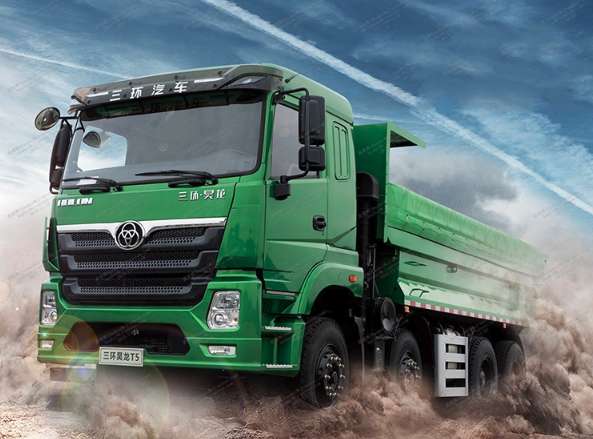
Dump Trucks
Dump trucks handle bulk materials in demanding work environments. Construction teams rely on them daily. They transport sand, gravel, soil, and demolition debris from one site to another. These trucks include strong structures built for heavy loads. A hydraulic system lifts the bed and releases materials quickly. It saves time during unloading and improves work efficiency.
Typical features include:
Hydraulic lifting mechanism for fast unloading
Reinforced chassis for structural strength
High payload capacity for heavy materials
You will often see them working in several industries:
Construction projects moving aggregates and building materials
Mining operations transporting rock or ore
Infrastructure development such as road and bridge construction
Different models exist for different tasks. Smaller dump trucks operate in crowded urban construction areas. Larger mining dump trucks carry massive loads in quarries and mining fields.
Cargo Trucks
Cargo trucks represent one of the most common commercial vehicles in logistics. They move products between factories, warehouses, and distribution centers. These trucks focus on storage efficiency and reliable transportation. Large cargo compartments allow businesses to ship significant volumes in a single trip. Many models also support long-distance routes across cities or regions.
Key characteristics include:
Large cargo compartments for goods transport
Design suited for medium or long-distance delivery routes
Engines optimized for fuel efficiency during freight operations
Companies use cargo trucks in many logistics activities:
Supply chain transportation between suppliers and retailers
Warehouse distribution networks
Retail product delivery to stores or regional hubs
Because they support daily commerce, cargo trucks play a critical role in modern supply chains.
Tractor Trucks (Semi-Trucks)
Tractor trucks, often called semi-trucks, provide the power unit for hauling large trailers. Logistics companies depend on them for long-haul transportation. These vehicles generate strong pulling power. Their engines deliver high torque for heavy cargo loads. The tractor unit connects to a detachable trailer, allowing flexible freight configurations.
Key advantages include:
Powerful engines designed for long-distance hauling
Capability to pull heavy container or trailer loads
Flexible trailer options for different cargo types
Typical applications include:
Container transportation from ports to inland logistics centers
Cross-country freight distribution
Bulk cargo delivery between major industrial regions
Important components of a tractor truck include:
| Component | Function |
|---|---|
| Tractor Unit | Provides engine power and driver cabin |
| Trailer Coupling System | Connects tractor to semi-trailer |
| High-Torque Diesel Engine | Supplies strong pulling force for heavy loads |
These trucks often operate on highways for extended distances.
Special Purpose Commercial Vehicles
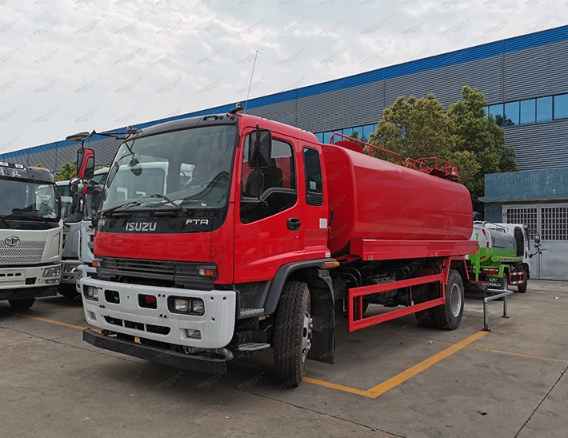
Some commercial vehicles perform specialized tasks rather than general transportation. Engineers design them for specific industries or service operations. These vehicles usually integrate customized equipment or tools. Their design focuses on operational efficiency for unique job functions.
Examples include:
Garbage collection trucks used in municipal waste management
Crane trucks used for lifting heavy equipment at construction sites
Firefighting vehicles designed for emergency response
Municipal service vehicles supporting city maintenance
Several industries depend on these specialized machines:
| Industry | Example Vehicle Use |
|---|---|
| Urban Sanitation | Waste collection and recycling transport |
| Emergency Services | Firefighting and rescue operations |
| Industrial Construction | Lifting equipment and materials |
| Municipal Maintenance | Street cleaning or infrastructure support |
They help cities maintain essential services while supporting large industrial projects.
How to Choose the Right Commercial Vehicle for Your Business
Choosing the right commercial vehicle affects efficiency, safety, and operating costs. Businesses often evaluate several factors before purchasing one. Cargo weight, working environment, fuel economy, and vehicle durability all play a role. When we understand these aspects clearly, it becomes easier to select a vehicle suited for daily operations.
Payload Requirements
Payload refers to the total weight a vehicle can safely carry. It includes goods, materials, or equipment loaded onto the truck. Choosing the correct payload capacity prevents overloading and improves operational safety.
When evaluating payload needs, businesses usually consider two main factors:
Type of goods transported – Different materials require different truck structures. Construction materials may require heavy-duty dump trucks. Consumer products often move using cargo trucks.
Load capacity required – Companies must estimate the typical weight per trip. Vehicles should support this load while maintaining efficiency.
Operating Environment
Where a vehicle operates also affects the selection process. Different environments demand different designs and performance capabilities.
For example:
Urban logistics often requires compact vehicles. They navigate narrow streets and busy traffic easily.
Construction sites require strong vehicles able to handle uneven terrain and heavy materials.
Mining or off-road environments demand powerful trucks built for harsh conditions.
Some companies operate in multiple environments. In those cases, they often choose versatile vehicles designed for both road and industrial use.
Fuel Efficiency and Operating Costs
Fuel consumption plays a major role in transportation expenses. Vehicles operating long hours consume significant amounts of fuel. Businesses often review engine performance and maintenance needs before making a purchase.
Important factors include:
Engine efficiency – Modern engines deliver higher power while using less fuel.
Maintenance requirements – Vehicles designed for easy servicing reduce downtime.
Operational cost per mile – Lower fuel consumption improves profitability in logistics operations.
Companies running long-distance freight services usually prioritize fuel economy. Efficient engines help reduce operating costs across thousands of kilometers each month.
Vehicle Durability and Reliability
Commercial vehicles operate under demanding conditions. Construction sites, heavy cargo, and long-distance transport place stress on mechanical components. Because of this, durability becomes an essential factor.
Key aspects businesses evaluate include:
Chassis strength – A reinforced frame supports heavy loads and rough terrain.
Engine reliability – Durable engines reduce unexpected breakdowns.
Component quality – High-quality parts improve service life and reduce repairs.
FAQ About Commercial Vehicles
What is considered a commercial vehicle?
A commercial vehicle is any motor vehicle used primarily for business activities. It usually transports goods, equipment, or passengers for commercial purposes. Examples include cargo trucks, dump trucks, tractor trucks, buses, and service vehicles used in industries such as construction, logistics, and municipal operations.
What is the difference between a commercial vehicle and a personal vehicle?
The main difference lies in purpose and design. Commercial vehicles are built to support business operations and transport heavy loads or passengers. Personal vehicles are designed for private travel and everyday commuting. Commercial vehicles typically have larger engines, stronger chassis structures, and higher payload capacities.
What industries use commercial vehicles the most?
Commercial vehicles are essential in many industries. Some of the most common sectors include construction, logistics, mining, agriculture, manufacturing, and municipal services. These industries depend on reliable transportation to move materials, products, and equipment efficiently.
Why are commercial vehicles important for businesses?
Commercial vehicles allow companies to transport goods, materials, and equipment efficiently. They help improve productivity, reduce logistics delays, and support large-scale operations across industries. Reliable commercial vehicles also contribute to safer transportation and better operational performance.
Conclusion
Commercial vehicles power many industries we rely on every day. Whether it is a dump truck moving construction materials, a cargo truck delivering products, or a tractor truck hauling freight across regions, the right vehicle helps businesses improve efficiency and reliability. Understanding the definition of a commercial vehicle, its types, and its operational requirements allows companies to make smarter fleet decisions.
If you are exploring durable and efficient vehicle solutions, Changjiang Automotive Industrial Supply Chain Co., Ltd. provides a wide range of commercial vehicles designed for global industries. From heavy-duty construction trucks to logistics transport solutions, our vehicles are built to support demanding operations and help businesses move forward with confidence.


