


What Commercial Vehicles Dealers Are Buying Right Now
Views: 0 Author: Site Editor Publish Time: 2026-03-12 Origin: Site


Commercial vehicle demand continues shifting as dealers adjust inventory to match real-world industry needs. Many buyers now search for work-ready trucks that fleets can deploy immediately. From cargo vans and box trucks to dump trucks and utility service vehicles, today’s commercial vehicle dealers focus on units that move quickly in the market. Rising truck prices, supply limitations, and strong demand from construction, logistics, and infrastructure sectors all shape what dealers purchase right now.
Why Dealer Demand for Commercial Vehicles Is Increasing
Dealer demand for commercial vehicles has been steadily growing across multiple market segments. Many dealerships are actively expanding their inventory because customers still need reliable work trucks, even as the overall market shifts. Several economic and industry factors influence this trend. Rising new truck prices, ongoing supply limitations, increasing upfitting costs, and strong demand from key industries all contribute to stronger dealer purchasing activity.
Supply Chain Constraints in the Truck Industry
Supply chains have improved compared to earlier pandemic years. However, they still have not fully stabilized. Certain components remain difficult to obtain, especially for medium-duty and heavy-duty trucks. Chassis availability continues to be a major issue. Truck body manufacturers also experience occasional delays in receiving essential components. As a result, new truck production sometimes moves slower than expected. Medium-duty and heavy-duty trucks often require longer lead times before delivery. Some buyers must wait several months to receive ordered units. Dealers try to fill this gap by purchasing used trucks that are already available.
Common supply challenges affecting the truck market include:
Limited chassis supply for Class 6–8 trucks
Component shortages in electrical systems and electronics
Delays in specialty truck body manufacturing
Production backlogs at major OEM facilities
Because of these constraints, dealers frequently turn to the secondary market. Pre-owned trucks allow them to maintain consistent inventory and respond to buyer demand more quickly.
Growing Demand Across Key Commercial Industries
Demand for commercial vehicles remains strong because several industries continue expanding operations. Dealers pay close attention to these sectors when selecting inventory.
| Industry Sector | Demand Drivers | Common Commercial Vehicles |
|---|---|---|
| Construction | Infrastructure projects, road construction, building development | Dump trucks, concrete mixers, flatbed trucks, heavy-duty vocational trucks |
| Logistics & Last-Mile Delivery | E-commerce growth, faster distribution needs, urban delivery expansion | Cargo vans, box trucks, light-duty delivery trucks, medium-duty delivery trucks |
| Utilities & Infrastructure | Power grid upgrades, telecom expansion, broadband installation | Bucket trucks, utility service trucks, cable installation trucks |
| Municipal & Government Fleets | Public service maintenance, city infrastructure operations | Snow removal trucks, maintenance service trucks, utility vehicles, public works trucks |
What Commercial Vehicles Dealers Are Buying Right Now
Dealers across the commercial truck market continue searching for vehicles that sell quickly and support essential industries. Inventory strategies now focus on units that fleets need immediately. Many buyers prefer trucks ready for work rather than vehicles requiring long build times. As a result, several vehicle categories consistently appear at the top of dealer buying lists.
Delivery Vehicles (Cargo Vans and Box Trucks)
Delivery vehicles remain one of the most active segments in the commercial vehicle market. E-commerce growth continues pushing logistics companies to expand their fleets. Businesses need reliable vehicles to support regional distribution and last-mile delivery operations. Cargo vans and box trucks dominate this category. Most buyers look for Class 1–5 vehicles, which offer flexibility, lower operating costs, and easier urban maneuverability.
Dealers usually prioritize delivery trucks that can begin work immediately. Several factors influence their purchasing decisions:
Lower mileage and good service history
Efficient fuel consumption
Cargo space suitable for parcel delivery
Easy maintenance and widely available parts
Typical buyers include logistics companies, courier services, food distributors, and retail delivery fleets. Urban distribution companies especially prefer compact cargo vans due to tight city routes and parking restrictions.
| Delivery Vehicle Type | Typical Use | Dealer Demand Level |
|---|---|---|
| Cargo Vans | Last-mile delivery, service fleets | High |
| Light Box Trucks | Local freight and retail deliveries | High |
| Medium Box Trucks | Regional logistics distribution | Moderate to High |
Construction Trucks (Dump Trucks, Concrete Mixers, Cranes)
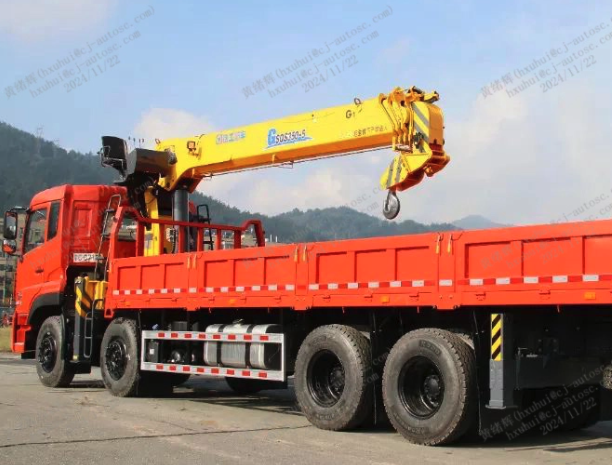
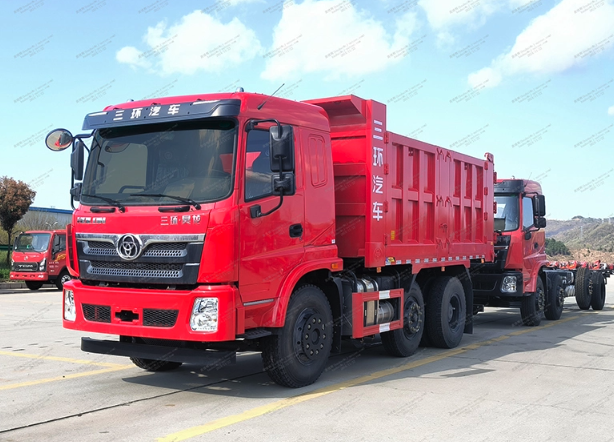
Construction trucks remain highly desirable for dealers. Infrastructure upgrades, road maintenance projects, and building developments continue across many regions. Contractors rely heavily on vocational trucks to support these operations. Dump trucks stand out as one of the most requested vehicle types. They perform essential tasks on construction sites and public works projects. Because of this, dealers rarely keep them in inventory for long.
Other common construction vehicles include:
Concrete mixer trucks
Crane trucks
Flatbed work trucks
Heavy vocational hauling trucks
Dealers often evaluate several configuration factors before purchasing these vehicles. Equipment condition matters greatly. Hydraulic systems must operate smoothly. PTO functionality also receives close attention.
Important evaluation points include:
Dump body condition and material thickness
Hydraulic lift performance
PTO and power systems
Frame durability and suspension strength
Reliable construction trucks tend to retain value well, especially when they remain work-ready.
Utility and Service Trucks
Utility and service trucks continue attracting strong dealer interest. Power companies, telecom providers, and infrastructure contractors depend on these vehicles for daily operations. Demand remains steady because infrastructure upgrades rarely stop. Electrical grid modernization projects expand across many regions. Broadband installation programs also require specialized service vehicles.
Two vehicle types dominate this category:
Utility service trucks
Bucket trucks used for elevated maintenance work
These trucks support technicians working on power lines, communication networks, and maintenance infrastructure. Dealers usually search for trucks that already include specialized equipment. Work-ready vehicles reduce preparation time for fleet buyers.
Typical equipment found on utility trucks includes:
Storage compartments for tools
Ladder racks or cable carriers
Hydraulic lift or bucket systems
PTO-powered service equipment
Trucks equipped with these features attract strong interest because fleets can deploy them immediately.
Medium-Duty Work Trucks
Medium-duty trucks continue playing an essential role across multiple industries. Vehicles in Class 6–7 provide a balance between payload capacity and maneuverability. Many businesses rely on these trucks for regional hauling and vocational work. Municipal departments also use them for public services.
Common applications include:
Municipal maintenance operations
Waste collection and recycling services
Regional freight transportation
Landscaping and construction support
Dealers value medium-duty trucks because they serve a wide range of industries. A single unit may appeal to several types of buyers.
| Truck Class | Typical Applications | Dealer Interest |
|---|---|---|
| Class 6 | Local freight, service bodies | High |
| Class 7 | Regional hauling, construction | High |
Their versatility makes them easier to resell compared to highly specialized equipment.
Heavy-Duty Trucks (Class 8)
Heavy-duty trucks remain the backbone of freight transportation. Logistics demand continues growing as supply chains expand and goods move across longer distances. Class 8 trucks handle large freight loads, long-distance hauling, and industrial transportation. Dealers continue seeking reliable used units because many fleets cannot wait for new truck production timelines.
Used heavy-duty trucks often offer practical advantages:
Faster availability
Lower acquisition costs
Proven performance history
Dealers usually evaluate several key factors before purchasing these trucks:
Engine condition and maintenance history
Transmission performance
Mileage and operational hours
Previous hauling applications
| Heavy-Duty Truck Type | Typical Industry | Dealer Demand |
|---|---|---|
| Day Cab Trucks | Regional freight | High |
| Sleeper Trucks | Long-haul logistics | High |
| Heavy Vocational Trucks | Construction and industrial hauling | Moderate to High |
Market Outlook – What Commercial Vehicle Dealers May Buy in 2026
Continued Demand for Work-Ready Used Trucks
Work-ready used trucks remain one of the most attractive inventory options for dealers. Supply chains improved slightly, yet delays still affect new vehicle production. Chassis shortages appear less severe than earlier years, though they still slow certain builds. Because of this, pre-owned vocational trucks continue attracting attention. Dealers often prefer trucks equipped for immediate job use. It saves preparation time and reduces extra installation costs.
Several factors support this trend:
Ongoing component shortages affecting new truck production
Longer manufacturing lead times for vocational truck builds
Rising cost of truck body equipment and installations
Strong resale demand from contractors and service fleets
Dealers frequently search for trucks already configured for work environments.
| Work-Ready Truck Feature | Why Dealers Value It |
|---|---|
| Dump bodies | Immediate construction use |
| Service bodies | Utility and maintenance work |
| Crane attachments | Job-site lifting capability |
| PTO systems | Supports hydraulic equipment |
These features allow buyers to deploy vehicles immediately. No waiting period. No additional upfitting.
Expanding Demand in Delivery and Logistics
Delivery fleets continue expanding across many regions. E-commerce growth drives a constant need for transportation capacity. Retailers push for faster shipping times. Distribution companies respond by increasing fleet size. Last-mile delivery operations especially require efficient commercial vehicles. Cargo vans and box trucks often serve urban routes. Light and medium-duty trucks support regional distribution.
Dealers track several indicators in this sector:
Online retail sales growth
Expansion of regional fulfillment centers
Rising same-day delivery expectations
Increased parcel shipping volumes
Popular vehicle types for logistics operations include:
Cargo vans for city deliveries
Light box trucks for retail distribution
Medium-duty trucks for regional freight
| Delivery Vehicle Type | Typical Use Case | Dealer Interest |
|---|---|---|
| Cargo Vans | Last-mile delivery routes | High |
| Light Box Trucks | Local retail distribution | High |
| Medium Box Trucks | Regional freight movement | Moderate to High |
Urban areas continue creating strong demand for compact delivery vehicles.
Emerging Trends in Electric and Hybrid Commercial Vehicles
Electrification gradually enters the commercial vehicle market. More manufacturers introduce battery electric vehicles (BEV) and hybrid electric vehicles (HEV) designed for commercial fleets. Interest continues growing among companies focused on sustainability goals. Government incentives and emissions regulations also influence fleet purchasing decisions. Electric commercial vehicles appear most often in urban delivery operations. Short routes suit electric range capabilities. Charging infrastructure improves in many cities. Dealers begin monitoring this segment closely. They expect demand to increase as technology matures.
Key factors influencing dealer interest include:
Corporate sustainability commitments
Government incentives for electric vehicle adoption
Lower long-term operating costs
Expansion of commercial charging infrastructure
| Commercial Powertrain | Typical Applications | Market Momentum |
|---|---|---|
| Diesel | Long-haul freight and heavy hauling | Stable |
| Hybrid (HEV) | Urban service fleets | Growing |
| Battery Electric (BEV) | Last-mile delivery and city logistics | Emerging |
Frequently Asked Questions About What Commercial Vehicles Dealers Are Buying Right Now
Q: What commercial vehicles are currently in the highest demand?
A: Dealers currently show strong demand for delivery vans, box trucks, dump trucks, utility service trucks, and bucket trucks. These vehicles support essential industries such as logistics, construction, infrastructure maintenance, and municipal services. Cargo vans and light box trucks sell quickly due to e-commerce delivery growth, while vocational trucks like dump trucks remain highly requested for construction and infrastructure projects.
Q: What types of work trucks sell the fastest?
A: Trucks that are work-ready and serve high-demand industries usually sell the fastest. These include cargo vans for last-mile delivery, box trucks for distribution, dump trucks for construction projects, and utility service trucks for maintenance work. Vehicles with specialized equipment such as dump bodies, service bodies, or bucket lifts often attract buyers quickly.
Q: How can fleet owners increase the resale value of their trucks?
A: Fleet owners can improve resale value by maintaining detailed service records, keeping mileage reasonable, and ensuring the truck remains in good mechanical condition. Work-ready equipment such as service bodies or dump beds can also increase value. Clear photos, accurate specifications, and transparent maintenance history help attract dealer buyers.
Q: How do industry trends affect what commercial vehicles dealers buy?
A: Dealer demand often follows growth in industries such as construction, logistics, utilities, and infrastructure. For example, rising e-commerce increases demand for delivery vans, while infrastructure projects boost demand for dump trucks and vocational work trucks.
Conclusion
Commercial vehicle dealers continue adapting to a market driven by industry demand, operational efficiency, and faster fleet deployment. Delivery vans, vocational trucks, and work-ready used vehicles remain especially attractive because businesses need reliable equipment without long production delays. As construction, logistics, and infrastructure sectors expand, dealers will likely keep prioritizing versatile trucks that support these essential industries.
For companies sourcing reliable vehicles and parts, Changjiang Automotive Industrial Supply Chain Co., Ltd. supports commercial truck buyers, fleet operators, and distributors through an integrated automotive supply network. If you are exploring commercial vehicle sourcing, truck components, or fleet supply solutions, our team can help connect you with the right resources for today’s evolving truck market.


