


Cargo Truck vs Flatbed Truck: Which Is Better for Your Load?
Views: 0 Author: Site Editor Publish Time: 2026-11-12 Origin: Site


An enclosed cargo truck usually suits packaged goods that need shelter from rain, road spray, and casual visibility. A flatbed truck usually suits freight that needs side loading, crane access, or an open loading platform.
The better choice depends on the complete shipment. Check the cargo’s dimensions, packed weight, weather sensitivity, lifting points, and unloading arrangements before selecting the vehicle.
In this comparison, “cargo truck” means a truck with an enclosed box body. The term can also describe freight vehicles more broadly, including flatbeds. Both enclosed and flatbed bodies are available on rigid trucks and trailer combinations, so compare vehicles of a suitable size and operating class.
Table of Contents
Cargo Truck vs Flatbed Truck: The Main Differences
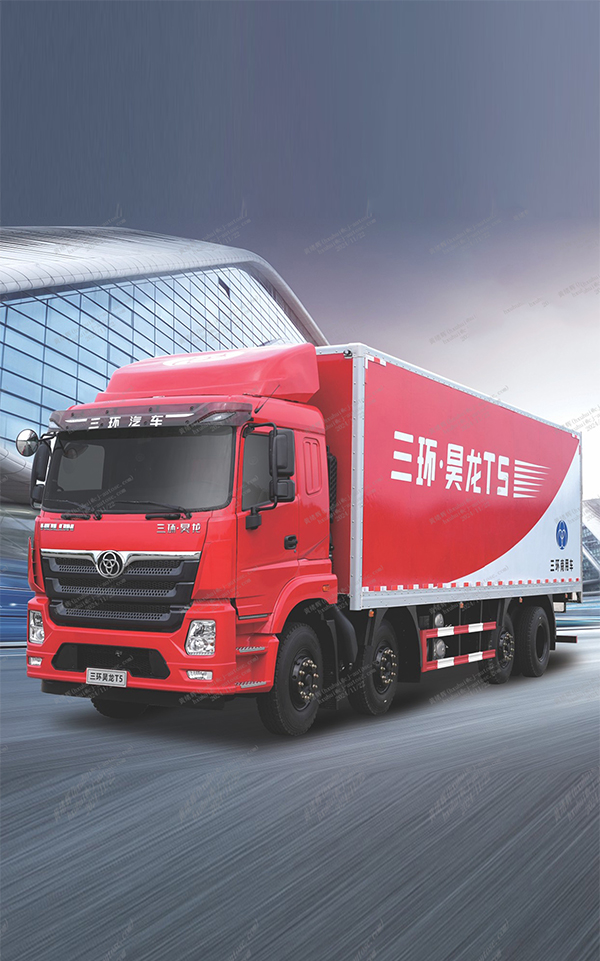
Compare the body and loading arrangement
An enclosed body provides a roof, walls, and doors around the freight. An open flatbed provides a deck with access around the load, subject to the vehicle’s structure and the site layout.
Selection factor | Enclosed cargo truck | Flatbed truck |
|---|---|---|
Weather exposure | Body provides shelter when doors, roof, and seals are in suitable condition | Requires protection appropriate to the cargo and route |
Loading access | Usually through rear doors, with side access on some bodies | Side, rear, or overhead access where the configuration permits |
Dimensional limits | Door opening and internal space constrain the load | Deck dimensions, loaded height, route clearance, and operating limits constrain the load |
Typical freight | Cartons, furniture, retail goods, and palletized products | Steel, timber, machinery, and large fabricated components |
Restraint planning | Uses suitable rated equipment, blocking, or an assessed containment arrangement | Uses suitable anchor points, lashings, blocking, and load supports |
Delivery-site needs | Compatible dock, tail lift, ramp, or another suitable unloading method | Suitable forklift, crane, or other unloading equipment |
Cargo visibility | Goods can be concealed behind closed doors | Goods are generally visible unless covered |
An open deck provides access flexibility. It still has a defined load rating, usable platform area, and loading plan.
Compare like-for-like vehicle configurations
A small rigid box truck and a heavy flatbed trailer serve different transport tasks. Differences in payload or cost may come from the chassis, axles, or combination size as much as the body.
For a useful comparison, shortlist vehicles that can perform the same delivery task. Then assess their completed weights, loading arrangements, route access, and operating costs.
You can review CJ Vehicle’s commercial vehicle range when preparing a configuration inquiry. Confirm the specific body and destination-market specification with the supplier.
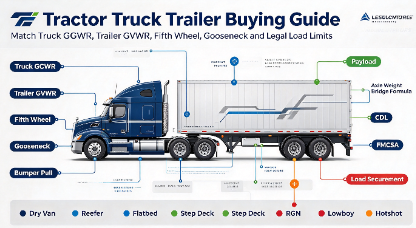
When an Enclosed Cargo Truck Fits Your Load
Packaged goods requiring weather protection
An enclosed truck is often practical for retail cartons, furniture, paper products, and other goods sensitive to road spray or direct rainfall.
Inspect the body’s roof, doors, seals, floor, and drainage condition. Packaging may still need protection against condensation, handling damage, or contact with other freight.
For temperature-sensitive goods, specify the required thermal conditions separately. A standard enclosed body provides different performance from an insulated or refrigerated body.
Deliveries with compatible loading access
Enclosed bodies work well where freight can pass through the available doors and the loading method suits both collection and delivery points.
Check the clear door width and height, internal obstructions, floor capacity, and room for handling equipment. Ground-level deliveries may use a suitable tail lift or ramp where specified.
If a forklift will enter the body, verify the floor’s concentrated wheel-load capability and the loading interface. Freight weight alone does not establish whether the floor can support the handling equipment.
Routes needing controlled access to the cargo
Closed doors can conceal goods and support access control through appropriate locks or seals.
The security plan should also cover parking, route management, key control, and delivery procedures. For multi-stop work, arrange freight in delivery order and consider side access where the selected body offers it.
Before choosing an enclosed truck, confirm that the longest, widest, and tallest packed items can be loaded and unloaded using the actual equipment available.
When a Flatbed Truck Fits Your Load
Freight needing side or overhead loading
A flatbed can suit machinery, steel sections, timber packs, and fabricated assemblies that are easier to handle from the side or above.
Confirm lifting points, forklift access, load support, and the lifting equipment available at both ends. Allow space for rigging and for workers to attach and remove restraints.
A crane-loaded shipment still needs a practical unloading plan. The receiving site must be able to support the vehicle and lifting operation.
Long, tall, or irregular goods
An open platform can accommodate shapes that are difficult to maneuver through an enclosed body’s doorway.
Measure the load in its transport orientation, including its base, packaging, supports, and protective cover. Add the vehicle’s deck height when calculating overall loaded height.
If a standard flatbed produces excessive loaded height, a step-deck or low-loader arrangement may be worth evaluating. Check the exact deck geometry, loading method, ground clearance, and route requirements.
Any load extending beyond ordinary operating dimensions needs a destination- and route-specific review before transport is arranged.
Cargo with a defined exposure-protection plan
Weather-resistant materials may travel on an open deck with suitable restraint and protection. Finished machinery or coated components may need more detailed measures.
Specify the required cover, edge protection, packaging, and contact surfaces. Check how straps, covers, and supports will interact with painted or polished areas.
A tarp can help shield goods from exposure, while moisture, abrasion, wind movement, and drainage still need assessment. Determine the protection system from the cargo’s sensitivity and expected journey.
Where side or crane access and weather protection are both important, consider an appropriate curtainsider or retractable-cover arrangement. Verify the available opening and usable load dimensions for the particular equipment.
Compare Payload, Restraint, and Total Transport Cost
Establish the usable payload
Body weight affects the available cargo allowance, but a flatbed does not have one universal payload advantage.
Compare the completed vehicles using the same operating assumptions. Include the body, fuel, occupants, installed equipment, covers, restraint gear, and load supports.
Check gross operating limits, individual axle loads, deck or floor limits, and the cargo’s center of gravity. A compact machine can create a concentrated load even when the total cargo weight appears acceptable.
For trailer combinations, also verify the tractor, trailer, coupling, and permitted combination limits.
Plan restraint for both body types
Enclosed freight and open-deck freight both require an effective load-securing arrangement.
Identify suitable anchor points, equipment ratings, load contact points, and any blocking or support needed to control movement. Account for sharp edges, rolling goods, unstable packages, and gaps between items.
Before relying on a wall, bulkhead, curtain, or other body component, verify its rated capability and the conditions under which it can contribute to restraint.
Agree the loading, securing, checking, and unloading responsibilities before dispatch. Confirm the rules applicable to the route and operating country.
Compare the complete job cost
Request quotations based on the same cargo, route, delivery schedule, and handling scope.
Cost item | What to clarify |
|---|---|
Vehicle or transport charge | Configuration, route, and included service |
Loading and unloading | Forklift, crane, tail lift, staff, and booking requirements |
Cargo protection | Covers, wrapping, separators, and surface protection |
Restraint | Required equipment, supports, and installation time |
Waiting time | Included allowance and additional charges |
Route arrangements | Any surveys, access approvals, or special movement requirements |
Return operation | Backhaul opportunities or empty running |
There is no universal rule that one format is cheaper. Freight density, handling time, equipment availability, cargo protection, and return loads can change the result.
For fleet purchases, include maintenance, service access, fuel or energy, driver time, and utilization. A body that serves several regular loads may provide better value than one selected around a rare shipment.
Use a load-based decision check
Choose an enclosed configuration when the goods fit its openings and internal space, need regular shelter, and can be handled efficiently at the delivery sites.
Evaluate a flatbed when side or overhead handling, irregular geometry, or deck access drives the operation. Confirm the protection and restraint arrangements as part of that choice.
Before ordering or booking, provide a load drawing, packed dimensions, weights, center-of-gravity information where relevant, and photographs of the collection and delivery access.
Frequently Asked Questions
1. Which is cheaper, a cargo truck or a flatbed truck?
Compare the complete delivery task. Include handling, restraint, weather protection, waiting time, and route arrangements alongside the vehicle or freight charge.
2. Can an enclosed cargo truck unload without a loading dock?
Yes, when equipped with a suitable tail lift or used with another compatible unloading method. Verify capacity, platform dimensions, cargo stability, and site conditions.
3. Can weather-sensitive machinery travel on a flatbed?
It may be possible with a suitable protection and restraint system. Review moisture, surface damage, cover contact, route exposure, and unloading conditions before approving the arrangement.
4. Does a flatbed always carry more weight?
No. Usable payload depends on the complete vehicle, body weight, equipment, axle limits, and loading arrangement. Compare actual specifications.
5. Does an enclosed body keep the load secure by itself?
The body can contribute only within its assessed capability. Confirm how blocking, rated restraint equipment, packaging, and any approved containment arrangement control the freight.
Discuss the Right Truck for Your Load
Send CJ Vehicle your cargo dimensions, packed weight, loading method, weather-protection needs, destination country, and route conditions.
Contact CJ Vehicle to discuss available configurations and request a quotation for your transport task.


