


Cargo Truck Types: Which One Is Right for Your Transport Business?
Views: 0 Author: Site Editor Publish Time: 2026-11-10 Origin: Site


The right choice among cargo truck types depends on what you carry, how the freight is handled and where the vehicle operates. Shipment weight, dimensions, weather protection and temperature requirements should guide the selection.
Vehicle capacity also needs to match the business. An oversized truck can leave expensive capacity unused. A specialized vehicle can create additional operating requirements without sufficient suitable freight to support them.
Start with a representative shipment and route profile. Then compare body types, chassis layouts, loading access and total operating cost. This approach helps transport businesses request useful quotations and choose equipment that can perform the intended work.
Table of Contents
Compare the Main Cargo Truck Types
Rigid trucks and tractor–trailer combinations
A rigid or straight truck carries its body on the same chassis as the cab. A tractor unit pulls a separate semi-trailer.
These describe vehicle layouts rather than cargo-body types. An enclosed body, flatbed, refrigerated body or tank may be available on a rigid chassis or as a trailer.
Choose the containment and loading arrangement first. Then evaluate which vehicle layout fits the route, shipment size and operating schedule.
Cargo vans for smaller consignments
Cargo vans are candidates for parcels, service equipment, tools and smaller delivery loads.
Their compact dimensions can suit frequent stops and restricted access. However, usable payload must account for shelving, partitions, refrigeration or other installed equipment.
Check door openings, loading height and interior dimensions. A van that accommodates loose cartons may not suit the same goods presented on pallets.
Do not assume that every cargo van has identical weight limits or licensing requirements.
Box trucks and dry vans for enclosed goods
A box truck is a rigid vehicle fitted with an enclosed body. A dry van commonly refers to an enclosed trailer without active temperature control.
Both can suit packaged goods needing protection from direct weather exposure, including retail products, furniture and general palletized freight.
Compare internal dimensions, door clearance, floor loading and restraint points. Confirm whether unloading uses a dock, forklift, tail lift or another method.
An enclosed body does not automatically provide refrigeration or eliminate the need to secure the load.
Flatbeds, dropsides and curtainsiders
Flatbeds provide open loading access for machinery, steel, timber and other freight that may be loaded from the side or above.
Dropside bodies add folding or removable side panels. Curtainsiders provide side access through a curtain system while offering weather coverage appropriate to their specification.
Check concentrated deck loads, attachment points and the proposed restraint method. Curtains and side panels should not be treated as load-bearing restraint structures unless their certification and intended use support that function.
Weather-sensitive goods may need additional protection.
Refrigerated trucks for controlled transport conditions
Refrigerated vehicles use an insulated body and temperature-control equipment selected for a defined duty.
Specify the goods, loading condition, required temperature range, ambient conditions, trip duration and door-opening frequency.
Evaluate airflow, temperature monitoring, cleaning and maintenance. Refrigeration equipment cannot compensate automatically for unsuitable loading practices or blocked air circulation.
Confirm that the complete vehicle and operating procedure suit the product. Requirements for fresh food, frozen goods and pharmaceutical shipments can differ significantly.
Tankers for specified bulk products
Tank vehicles serve particular liquids, gases or bulk materials using purpose-specified containment and handling equipment.
Selection depends on material compatibility, tank construction, pressure requirements where applicable, loading connections and discharge methods.
Food liquids, fuels, chemicals and dry bulk products should not be treated as interchangeable applications. Cleaning and contamination controls also vary.
Confirm the complete tank specification and operating requirements. Do not assume every tanker has the same compartments or baffling.
Dump trucks for loose bulk materials
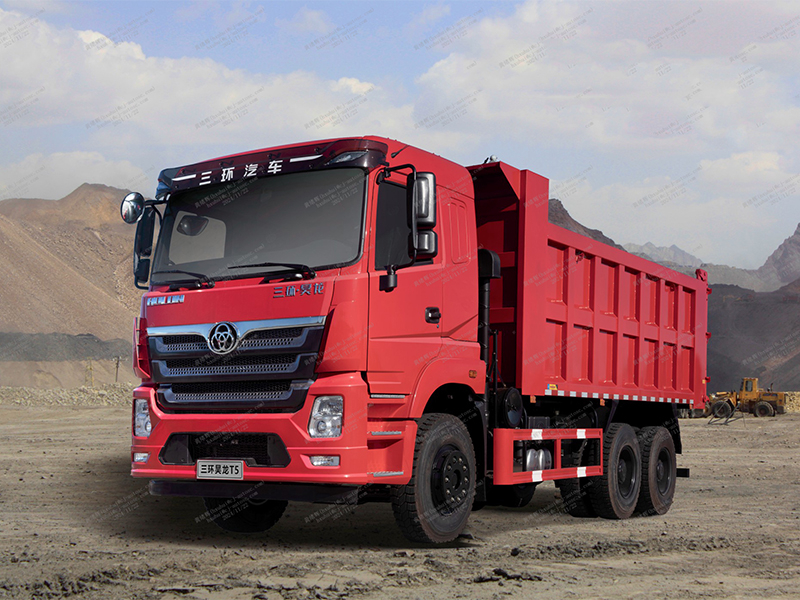
Dump trucks discharge their load by tipping. They are candidates for soil, sand, aggregates and suitable construction debris.
Match the body to material density, abrasion, loading impact and discharge behavior. Confirm that the site accommodates the vehicle during loading and tipping.
Packaged or fragile freight generally requires a different handling arrangement.
CJ Vehicle’s dump truck range provides options to discuss for bulk-material applications.
Specialized decks and hotshot combinations
Step-deck and low-loader trailers can help accommodate taller machinery or equipment with particular loading needs.
Check deck capacity, axle distribution, ramps, ground clearance and the complete loaded dimensions. A lower deck does not automatically remove route or permit restrictions.
Hotshot describes an operating model, often involving a pickup and trailer for time-sensitive freight. It is not a separate cargo-body classification.
Evaluate the complete combination’s ratings, coupling, braking and legal requirements before selecting it.
Match the Vehicle to Your Freight and Facilities
Identify the limiting capacity
Record shipment mass, dimensions, pallet count and stacking restrictions.
Dense goods can reach weight limits before filling the body. Bulky goods can fill the available space while leaving payload unused.
Calculate usable payload using the applicable permitted operating weight and the vehicle’s actual operating tare. Then check axle distribution, tire ratings and body limits.
Equipment such as tail lifts, cranes and refrigeration units affects the final weight calculation.
Compare loading and unloading requirements
Measure door openings, dock heights, yard space and approach routes. Confirm how freight reaches and leaves the vehicle.
A tail lift needs suitable capacity for the load and its position on the platform. Floors must also accommodate handling equipment where applicable.
Transport requirement | Candidate equipment | Main confirmation |
|---|---|---|
Small consignments and frequent stops | Cargo van or compact rigid truck | Access, loading height and payload |
Packaged goods needing enclosure | Box body or dry-van trailer | Dimensions, doors and unloading method |
Side-loaded materials | Flatbed, dropside or curtainsider | Deck loading and restraint |
Temperature-sensitive goods | Refrigerated body or trailer | Defined temperature-control duty |
Compatible bulk liquids | Purpose-specified tanker | Compatibility and handling system |
Loose aggregates or soil | Dump truck | Material mass and tipping conditions |
Tall machinery | Suitable specialized deck | Loaded dimensions and route access |
Check route access and driver requirements
Review turning space, overhead clearance, gradients, road restrictions and delivery windows.
Request overall dimensions and a swept-path assessment where access is restricted. Vehicle labels alone do not establish maneuverability.
Confirm licensing, operating permissions and special endorsements in the destination market. The body name does not determine the driver qualification or registration requirement.
Compare Utilization and Operating Cost
Base the decision on realistic freight demand
Use regular customer requirements and representative shipments to estimate utilization.
Specialized equipment may provide access to suitable contracts, but it also introduces maintenance, handling or cleaning obligations.
Avoid selecting a truck solely because a freight category appears to pay more. Gross revenue does not establish profit.
Check return-load availability and seasonal changes before committing to equipment that serves a narrow range of goods.
Include empty running and waiting time
Measure total distance, loaded distance and time spent loading, queuing and unloading.
As a hypothetical example, a truck traveling 600 km with freight carried for 420 km has a loaded-distance share of 70%.
If its allocated trip cost is US$600, the cost equals US$1.00 per total kilometer or approximately US$1.43 per loaded kilometer.
This is a calculation example, not a CJ Vehicle performance claim. It shows why empty travel can change the commercial comparison.
Use a complete cost model
Include acquisition or lease payments, fuel, drivers, insurance, tires, servicing, repairs, tolls and downtime.
Add body-specific costs such as refrigeration servicing, tank cleaning or hydraulic equipment maintenance.
Compare candidates using the same basis: cost per shipment, pallet, tonne or productive hour.
Review lease responsibilities carefully. A maintenance agreement does not automatically transfer every equipment-failure or cargo-loss risk.
Assess service access for the complete vehicle
The chassis and cargo equipment need coordinated support.
Check local access to technicians and parts for the engine, transmission, braking system and fitted body equipment.
Inspect doors, floors, restraint points, tail lifts and discharge systems according to their manufacturers’ instructions.
A lower initial price may be offset by downtime if a critical component cannot be repaired promptly.
Prepare a Clear Vehicle Specification
Describe the transport task before requesting a model
Provide shipment weights and dimensions, loading methods, route distance, daily stops, gradients and climate.
Explain whether the vehicle will serve one dedicated contract or several freight categories. Include any temperature, hygiene or cargo-protection requirements.
This helps suppliers separate necessary equipment from options that add cost and weight without useful capacity.
Request comparable technical proposals
Ask suppliers to quote against the same application brief.
Specification area | Information to confirm |
|---|---|
Chassis | Model, drive configuration and wheelbase |
Weight | Operating tare, ratings and destination suitability |
Body | Internal dimensions, openings and floor loading |
Cargo handling | Tail lift, crane, ramps or discharge equipment |
Restraint | Attachment points and approved securing arrangement |
Powertrain | Engine, transmission and braking configuration |
Market requirements | Drive position, emissions and documentation |
Commercial terms | Included equipment, delivery, warranty and support |
A chassis-only quotation cannot be compared directly with a completed vehicle.
Confirm the proposed scope of supply
CJ Vehicle’s commercial vehicle overview describes cargo, dump and tractor-truck applications.
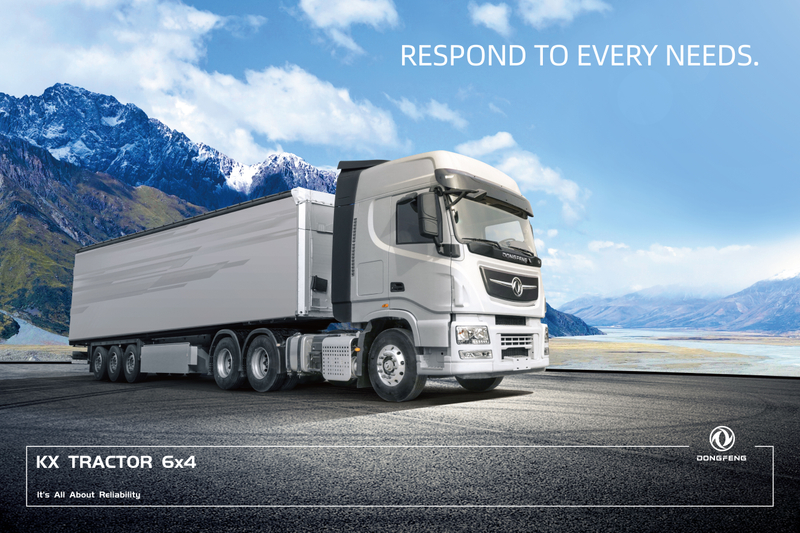
Its tractor truck range includes vehicles for discussion where a trailer-based solution fits the business. Confirm tractor–trailer compatibility and the complete combination specification.
For refrigerated bodies, tanks, specialized trailers or conversions, request confirmation of availability and scope.
Approve final drawings, documentation and support responsibilities before ordering.
Frequently Asked Questions
Which cargo truck type is best for a new transport business?
Choose around confirmed freight, loading facilities and realistic utilization. Compare complete operating costs and available customer demand. There is no universal best starting vehicle.
What is the difference between a straight truck and a dry van?
A straight truck carries its body on the same chassis as the cab. A dry van commonly describes an enclosed trailer pulled by a tractor. Their capacities and suitable routes depend on the specific configuration.
Does a box truck always avoid commercial licensing requirements?
No. Requirements depend on the jurisdiction, vehicle or combination weight, cargo and operating activity. Confirm the exact rules for the proposed vehicle.
When should a business consider refrigerated equipment?
When the goods require a defined temperature-controlled transport process and suitable customer demand supports the investment. Evaluate operating procedures, monitoring, maintenance and contingency arrangements.
Can one vehicle carry different cargo categories?
Often, but compatibility must be assessed. Check dimensions, restraint, cleaning, contamination risks and customer requirements. A flexible vehicle still needs approval for each intended load.
To discuss a suitable configuration, contact CJ Vehicle with your freight profile, destination, loading facilities and expected usage. Request a proposal covering the chassis, body, equipment and documentation required for your transport operation.


