


7 Trends Impacting The Forestry Industry in 2026
Views: 0 Author: Site Editor Publish Time: 2026-02-06 Origin: Site


As the forestry industry faces increasing regulations, sustainability is now more crucial than ever. Climate change and expanding urban-forest boundaries heighten fire risks, making effective management essential. In this post, you’ll learn how sprinkler trucks are becoming vital for bridging forestry management and municipal sanitation, ensuring a safer environment for all.
Trend 1 – Climate Change & Rising Wildfire Risks Drive Demand for Forestry Sprinkler Trucks
Why Wildfire Prevention is Now a Core Forestry Task
The forestry industry is facing unprecedented challenges due to climate change. Drier climates and longer fire seasons are becoming the norm. This shift leads to increased wildfire risks, particularly in urban forests and green belts, where the ignition potential is significantly higher. As cities expand into natural areas, the need for effective wildfire prevention strategies has never been more critical.
Factor | Impact |
Drier Climates | Increased fire frequency |
Urban Expansion | Higher ignition risks |
Longer Fire Seasons | Extended periods of vulnerability |
How Sprinkler Trucks Support Forest Fire Prevention
Sprinkler trucks play a vital role in wildfire prevention. They are equipped to provide roadside watering and dust suppression, which helps reduce fire hazards. By maintaining moisture levels in fire-prone zones, these trucks create a buffer against potential wildfires.
Additionally, they serve as emergency response support, arriving on the scene before fire engines can get there. This quick action can make a significant difference in controlling small fires before they escalate into larger, uncontrollable blazes.
● Roadside Watering: Keeps vegetation moist and reduces flammability.
● Dust Suppression: Minimizes airborne particles that can ignite fires.
● Emergency Response: Provides immediate action, potentially saving lives and property.
Key Sprinkler Truck Features Needed for Fire-Risk Forestry Areas
When it comes to equipping sprinkler trucks for fire-risk forestry areas, certain features are essential. These trucks must have large water tank capacities to ensure they can deliver sufficient water during critical times. High-pressure water cannons are necessary for effectively combating flames and creating safe zones around vulnerable areas.
Moreover, the ability to adjust spraying angles and achieve a long spraying range enhances their effectiveness. This adaptability allows operators to target specific areas more efficiently and respond to varying fire situations.
Feature | Importance |
Large Water Tank Capacity | Sustained water supply during emergencies |
High-Pressure Water Cannons | Effective fire suppression |
Long Spraying Range | Covers larger areas quickly |
Adjustable Angles | Flexibility in targeting specific zones |
By integrating these features, sprinkler trucks become indispensable tools in the fight against wildfires, ensuring that forestry management can adapt to the increasing challenges posed by climate change.
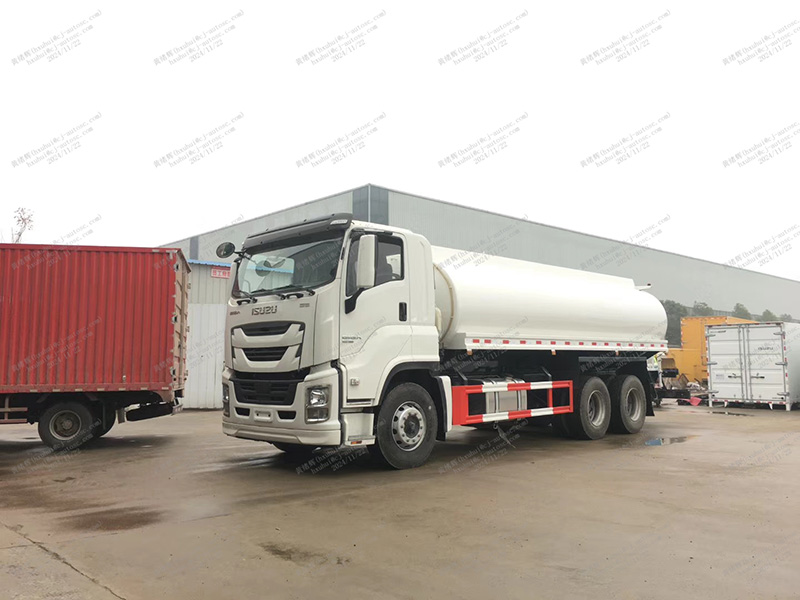
Trend 2 – Municipal Environmental Sanitation Expands into Forestry Management
Blurring Lines Between Municipal Sanitation and Forestry Operations
The boundaries between municipal sanitation and forestry management are becoming increasingly indistinct. Many forestry parks, urban forests, and green corridors are now managed by municipalities. This shift means that the same fleets of vehicles used for road maintenance are also utilized for parks and the edges of forests.
Area of Management | Typical Vehicle Use |
Forestry Parks | Sprinkler trucks for irrigation |
Urban Forests | Multi-purpose vehicles |
Green Corridors | Sanitation and maintenance fleets |
Why Municipal Sprinkler Trucks Are Ideal for Forestry Sanitation
Municipal sprinkler trucks are perfectly suited for forestry sanitation tasks. They can effectively clean forest service roads, ensuring safe travel for vehicles and personnel. Additionally, these trucks excel at dust control along logging and transport routes, reducing airborne particles that could pose health risks.
Moreover, they provide essential irrigation for greenbelts, helping maintain healthy plant life in urban areas. The versatility of these trucks allows them to adapt to various sanitation needs within forestry operations.
● Road Cleaning: Keeps access routes safe and clear.
● Dust Control: Minimizes health hazards for workers and wildlife.
● Greenbelt Irrigation: Supports plant growth in urban environments.
Sprinkler Truck vs. Traditional Forestry Equipment
When comparing sprinkler trucks to traditional forestry equipment, the advantages are clear. The multi-functionality of these trucks allows them to handle various tasks, from irrigation to dust suppression, without needing specialized equipment for each job.
This versatility translates into lower fleet costs, as municipalities can rely on fewer vehicles to accomplish multiple tasks. Furthermore, the faster deployment of sprinkler trucks means they can respond immediately to changing conditions in forestry management, enhancing operational efficiency.
Feature | Sprinkler Truck | Traditional Equipment |
Multi-Functionality | Yes | Limited |
Fleet Costs | Lower | Higher |
Deployment Speed | Faster | Slower |
By integrating municipal sanitation practices into forestry management, cities can create healthier, more sustainable environments while maximizing the utility of their resources.
Trend 3 – Water Resource Management Becomes a Forestry Priority
Water Scarcity Pressures in Forestry Operations
Water scarcity is increasingly becoming a pressing issue for forestry operations, especially in drought-prone regions. As climate patterns shift, these areas experience more frequent and severe droughts. Additionally, regulations on water usage are tightening, making efficient water management critical for sustainable forestry practices.
Challenge | Impact on Forestry |
Drought-Prone Regions | Increased risk of tree mortality |
Regulations on Water Usage | Limits on irrigation practices |
How Modern Sprinkler Trucks Improve Water Efficiency
Modern sprinkler trucks are designed to enhance water efficiency in forestry management. They come equipped with adjustable spray volumes, allowing operators to tailor the amount of water used based on specific needs. This precision watering significantly reduces water waste compared to traditional open irrigation methods.
Moreover, these trucks can deliver water directly to the roots of plants, ensuring that every drop counts. This targeted approach not only conserves water but also promotes healthier plant growth.
● Adjustable Spray Volume: Customizes water delivery for different conditions.
● Precision Watering: Focuses on root zones, minimizing evaporation.
● Reduced Water Waste: More efficient than conventional methods.
Sprinkler Trucks as Mobile Water Management Tools
Sprinkler trucks serve as invaluable mobile water management tools in forestry. They provide temporary irrigation solutions for reforestation projects, ensuring that newly planted trees receive the necessary hydration to thrive. During periods of drought, these trucks can also offer emergency relief to young forests, helping them survive critical dry spells.
This flexibility allows forestry managers to respond quickly to changing environmental conditions, supporting both short-term needs and long-term sustainability goals.
Application | Benefits |
Temporary Irrigation | Supports reforestation efforts |
Emergency Drought Relief | Protects young forest growth |
By prioritizing water resource management through the use of modern sprinkler trucks, the forestry industry can adapt to the challenges posed by climate change and ensure a sustainable future.
Trend 4 – Smart & Multi-Functional Sprinkler Trucks Dominate Forestry Fleets
From Single-Purpose to Multi-Role Forestry Sprinkler Trucks
The evolution of forestry sprinkler trucks has transformed them from single-purpose vehicles into versatile, multi-functional tools. Today’s trucks are designed not only for spraying water but also for various essential tasks. They are equipped for dust suppression, which is crucial in maintaining air quality during logging operations. Additionally, these trucks can perform road washing to keep access routes clear and safe.
Perhaps most importantly, they play a vital role in fire prevention support, providing immediate water access to combat potential wildfires. This multi-role capability maximizes the utility of each truck in forestry operations.
Function | Description |
Spraying | Watering trees and vegetation |
Dust Suppression | Reducing airborne particles |
Road Washing | Keeping access routes clean |
Fire Prevention Support | Quick response to fire threats |
Key Configurations Forestry Buyers Look For
When selecting sprinkler trucks, forestry buyers prioritize specific configurations to meet their operational needs. A front flushing system is essential for clearing debris from roads and paths, ensuring safe access for vehicles. Rear spraying bars allow for efficient watering across wide areas, while a high-mounted water cannon provides the reach needed for taller vegetation.
Additionally, many buyers seek optional disinfectant spraying capabilities for sanitation purposes, especially in areas where pest control or disease management is necessary. These features enhance the effectiveness of the trucks in diverse forestry settings.
● Front Flushing System: Clears roads of debris.
● Rear Spraying Bars: Efficient coverage for large areas.
● High-Mounted Water Cannon: Reaches taller trees easily.
● Optional Disinfectant Spraying: Ensures sanitation in sensitive areas.
Why Forestry Departments Prefer Customizable Sprinkler Trucks
Forestry departments increasingly favor customizable sprinkler trucks due to the diverse terrains they operate in. Different landscapes require tailored solutions to maximize effectiveness. For example, mountainous regions may need trucks with enhanced maneuverability, while flat areas might prioritize water capacity.
Moreover, seasonal operational changes demand flexibility. In spring, trucks might focus on irrigation, while in summer, they may shift to fire prevention. Customizable features allow forestry departments to adapt their equipment to meet these varying demands effectively.
Customization Aspect | Importance |
Terrain Adaptability | Ensures effective operation |
Seasonal Flexibility | Meets changing operational needs |
By embracing smart and multi-functional sprinkler trucks, the forestry industry is enhancing its efficiency and responsiveness to environmental challenges.
Trend 5 – Sustainability & ESG Compliance Push Demand for Cleaner Sprinkler Trucks
Environmental Regulations Affecting Forestry Equipment
As the forestry industry evolves, environmental regulations are becoming increasingly stringent, impacting how equipment is designed and operated. Emission standards are at the forefront, requiring forestry equipment, including sprinkler trucks, to minimize harmful exhaust outputs. Additionally, noise restrictions are in place to reduce disturbances in natural habitats and nearby communities.
Water pollution controls also play a critical role, ensuring that chemicals used in forestry operations do not contaminate local water sources. These regulations compel forestry operators to invest in cleaner, more sustainable equipment that aligns with environmental standards.
Regulation Type | Impact on Equipment |
Emission Standards | Lowered exhaust emissions |
Noise Restrictions | Quieter machinery |
Water Pollution Controls | Safer chemical usage |
Eco-Friendly Sprinkler Truck Solutions
In response to these regulations, eco-friendly sprinkler truck solutions are emerging as essential tools for forestry operations. Many modern trucks feature low-emission chassis, which significantly reduce their carbon footprint. Optimized water usage systems ensure that every drop is used efficiently, minimizing waste and promoting sustainability.
Moreover, these trucks are designed to reduce chemical dependence, utilizing natural alternatives whenever possible. This shift not only complies with regulations but also enhances the overall health of the forest ecosystem.
● Low-Emission Chassis: Reduces greenhouse gas emissions.
● Optimized Water Usage: Ensures efficient irrigation and conservation.
● Reduced Chemical Dependence: Promotes the use of safer, eco-friendly alternatives.
How Sprinkler Trucks Help Forestry Operators Meet ESG Goals
Sprinkler trucks play a pivotal role in helping forestry operators meet their Environmental, Social, and Governance (ESG) goals. For instance, effective dust reduction from these trucks improves air quality, benefiting both workers and surrounding wildlife. By controlling watering practices, these trucks protect soil integrity and promote biodiversity in forested areas.
This focus on sustainability not only helps companies comply with regulations but also enhances their reputation among stakeholders who prioritize environmental responsibility.
ESG Impact | Benefit |
Dust Reduction | Improved air quality |
Controlled Watering | Protects soil and biodiversity |
By integrating cleaner technologies into their operations, forestry companies can contribute to a healthier planet while meeting the demands of modern environmental standards.
Trend 6 – Urban Forestry Growth Increases Demand for Municipal Sprinkler Trucks
Urban Forests and Green Infrastructure Expansion
The growth of urban forestry is reshaping city landscapes, leading to increased demand for municipal sprinkler trucks. Cities are expanding their green infrastructure, creating city green belts, forest parks, and ecological corridors. These areas not only enhance the aesthetic appeal of urban environments but also provide essential ecological benefits, such as improved air quality and biodiversity.
Urban Green Infrastructure | Benefits |
City Green Belts | Enhance urban aesthetics |
Forest Parks | Provide recreational spaces |
Ecological Corridors | Support wildlife migration |
Sprinkler Trucks as Core Equipment for Urban Forestry Sanitation
Sprinkler trucks have become core equipment for maintaining urban forestry sanitation. They play a vital role in daily road washing, keeping streets clean and reducing dust pollution. Additionally, these trucks are essential for irrigating trees and greenbelts, ensuring that urban greenery thrives even in dry conditions.
Moreover, by providing consistent moisture, sprinkler trucks help mitigate heat in urban forest areas, creating cooler microclimates that benefit both plants and residents. This capability is especially important as cities face rising temperatures due to climate change.
● Daily Road Washing: Keeps urban areas clean and safe.
● Tree and Greenbelt Irrigation: Supports healthy plant growth.
● Heat Reduction: Creates cooler environments in urban settings.
Why Municipalities Choose Sprinkler Trucks Over Fixed Irrigation Systems
Municipalities are increasingly opting for sprinkler trucks rather than fixed irrigation systems for several compelling reasons. One of the main advantages is mobility; sprinkler trucks can easily move to different locations as needed, providing flexibility that fixed systems lack.
Additionally, the lower installation costs associated with sprinkler trucks make them a more budget-friendly option for cities looking to enhance their green infrastructure. Seasonal flexibility is another key factor; sprinkler trucks can be deployed for various tasks throughout the year, adapting to changing weather conditions and maintenance needs.
Advantages of Sprinkler Trucks | Description |
Mobility | Easily relocate for different tasks |
Lower Installation Cost | More budget-friendly option |
Seasonal Flexibility | Adaptable to changing needs |
By integrating municipal sprinkler trucks into urban forestry strategies, cities can effectively manage their green spaces while promoting sustainability and enhancing the quality of life for residents.
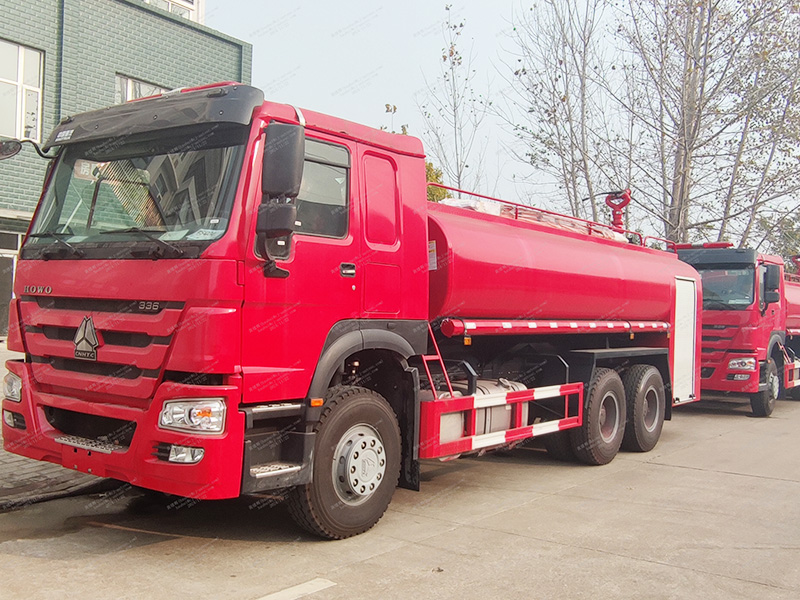
Trend 7 – Equipment Buyers Prioritize Cost Efficiency & Versatility in 2026
What Forestry and Municipal Buyers Care About Most
When it comes to purchasing equipment, forestry and municipal buyers have specific priorities. The purchase cost is often the first consideration, as budgets can be tight. However, maintenance cost also plays a crucial role in the overall financial picture. Equipment that requires frequent repairs or costly upkeep can quickly become a burden.
Long-term return on investment (ROI) is another critical factor. Buyers want to ensure that their investment will pay off over time, making cost efficiency a key metric for decision-making. Understanding these priorities helps manufacturers design products that meet the needs of their customers.
Buyer Concern | Importance |
Purchase Cost | Initial budget constraints |
Maintenance Cost | Long-term financial planning |
Long-Term ROI | Justifying the investment |
Why Sprinkler Trucks Offer Higher ROI Than Specialized Forestry Machines
Sprinkler trucks stand out as a cost-efficient choice compared to specialized forestry machines. One of the significant advantages is their ability to serve multiple applications. Instead of investing in several pieces of equipment, municipalities can use one truck for various tasks, from irrigation to dust control.
This versatility leads to a reduced fleet size, which not only saves money but also simplifies management. Additionally, maintenance is often easier for sprinkler trucks, and spare parts are more readily available, further enhancing their appeal to buyers looking for reliable solutions.
● One Truck, Multiple Applications: Reduces the need for specialized equipment.
● Reduced Fleet Size: Cuts costs on storage and management.
● Easier Maintenance: Simplifies upkeep and repairs.
Common Questions Buyers Ask Before Choosing a Forestry Sprinkler Truck
Before making a purchase, buyers often have several questions about forestry sprinkler trucks. One common inquiry is about the appropriate tank size for forestry use. The right capacity can significantly impact operational efficiency, so it’s essential to choose wisely.
Another frequent question revolves around whether high-pressure spraying is necessary. While it can be beneficial for certain applications, many buyers want to understand if lower pressure options can achieve similar results.
Finally, buyers often wonder if one sprinkler truck can handle both city and forest operations. The answer lies in the truck's design and features, which can make it versatile enough for diverse environments.
Common Buyer Questions | Considerations |
What tank size is suitable? | Impacts operational efficiency |
Is high-pressure spraying necessary? | Evaluates effectiveness |
Can one truck handle both city and forest operations? | Assesses versatility |
By focusing on cost efficiency and versatility, equipment buyers in the forestry industry are making informed decisions that benefit their operations in 2026 and beyond.
Conclusion
This article highlights seven key trends impacting the forestry industry in 2026. It emphasizes the growing importance of sprinkler trucks in both forestry and municipal sanitation efforts. These trucks are not just sanitation vehicles; they represent a long-term investment for efficient operations. Their versatility and cost-effectiveness make them invaluable for various applications. For those interested in modern solutions, Changjiang offers innovative municipal sprinkler truck options designed for forestry applications, providing exceptional value and performance.
FAQ
Q: What is a sprinkler truck used for in forestry?
A: A sprinkler truck is used for various applications, including irrigation, dust control, and fire prevention in forestry operations.
Q: How do sprinkler trucks contribute to urban forestry?
A: Sprinkler trucks help maintain urban green spaces by providing essential irrigation and sanitation services, ensuring healthy plant growth.
Q: Why are municipalities investing in sprinkler trucks?
A: Municipalities are investing in sprinkler trucks due to their versatility, cost efficiency, and ability to handle multiple tasks in urban forestry.
Q: What are the advantages of using a sprinkler truck over fixed irrigation systems?
A: Sprinkler trucks offer mobility, lower installation costs, and seasonal flexibility, making them a preferred choice for many buyers.
Q: How much does a typical sprinkler truck cost?
A: The cost of a sprinkler truck can vary widely based on features and specifications, but they are often seen as a long-term investment in forestry equipment.


