


Top 5 Chinese Electric Cars Set To Launch in 2025
Views: 0 Author: Site Editor Publish Time: 2025-11-11 Origin: Site


Introduction
China’s electric car revolution is accelerating faster than ever. In 2025, new EVs from China are set to shake up the global market.
Chinese automakers now lead in battery innovation, range, and affordability. They’re no longer just competitors — they’re redefining the future of driving.
In this post, you’ll discover the top 5 Chinese electric cars launching in 2025, including their designs, pricing, performance, and global export readiness. Expect insights into how these models will shape EV markets from Europe to Southeast Asia.
Why Chinese EVs Are Dominating the 2025 Market
The Rise of Tech-Driven Mobility
China’s 2025 EV lineup is powered by innovation. Automakers are blending AI-driven systems, 5G connectivity, and autonomous driving tech to redefine mobility. Cars now learn from drivers, predict traffic, and park themselves with ease. It feels futuristic but also surprisingly natural to use.
Battery technology has made a massive leap. Brands are introducing sodium-ion and solid-state batteries, boosting range while cutting costs. These advances mean longer trips, faster charging, and fewer worries about battery lifespan. It’s not just evolution — it’s a revolution in clean transportation.
| Battery Type | Average Range (km) | Charging Time (80%) | Cost Efficiency |
|---|---|---|---|
| Lithium-ion | 400–500 | 40–60 mins | Moderate |
| Sodium-ion | 350–450 | 30–45 mins | High |
| Solid-state | 600+ | 20–30 mins | Very High |
Global Expansion and Export Strategy
Chinese EVs are no longer staying home. The government supports overseas expansion through incentives and export-friendly policies. Automakers like BYD, NIO, and XPeng now compete in Europe, Africa, and the Middle East.
Each brand focuses on regional adaptation — meeting local climate, terrain, and infrastructure demands. Many new EVs now meet Euro NCAP and ASEAN safety standards, giving them a stronger foothold in foreign markets. Strategic partnerships are also key. China is building EV assembly and charging infrastructure in Africa, South America, and the Gulf region to strengthen its global presence.
| Region | Key Market Strategy | Major Chinese Brand |
|---|---|---|
| Europe | Euro NCAP compliance, premium EVs | NIO, XPeng |
| Africa | Affordable fleet EVs, charging infrastructure | BYD, Changan |
| Middle East | Luxury SUVs, extended range models | Avatr, Geely |
Consumer Trends and Market Forecast
The EV boom isn’t slowing down. Analysts predict over 10 million Chinese EVs will reach consumers by the end of 2025. Buyers now seek mid-range SUVs offering strong range, spacious interiors, and competitive prices. Families are switching from fuel vehicles to electric, drawn by lower ownership costs and smart tech.
Young buyers favor sleek crossovers and compact EVs that blend connectivity with style. It’s clear — Chinese EVs aren’t just catching up; they’re leading how the world drives electric.
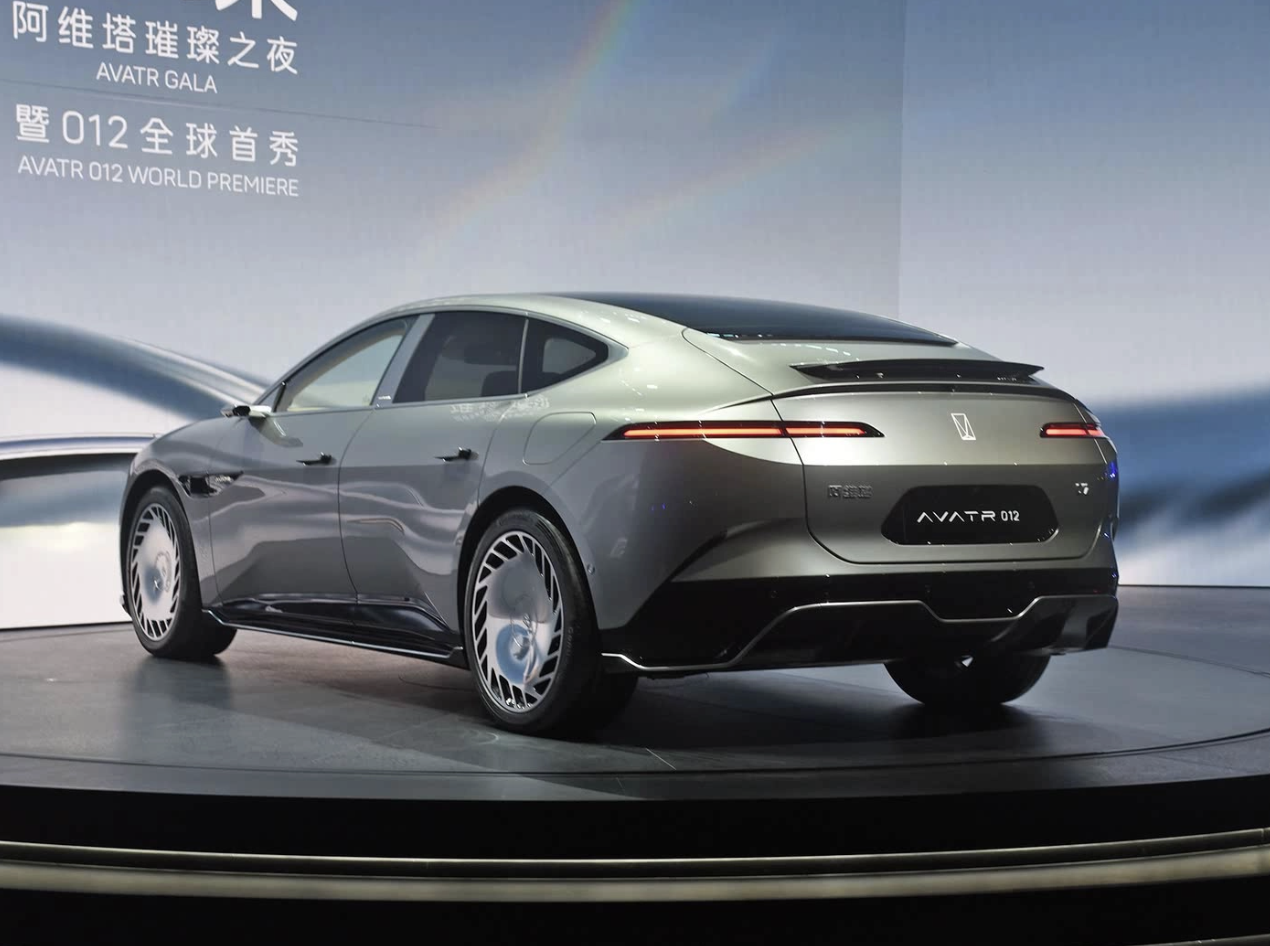
BYD Sea Lion 07 — BYD’s Global Flagship SUV
Exterior and Design Language
The BYD Sea Lion 07 looks bold yet elegant. It carries a streamlined SUV silhouette inspired by the Ocean X concept, creating a smooth balance between sport and sophistication. Its sharp front fascia and coupe-like roofline help it stand out in the premium EV crowd.
The LED matrix lighting gives it a futuristic edge. Every beam adjusts automatically to traffic and road conditions. Combined with its optimized aerodynamics, the design enhances driving range and stability — it’s not just stylish, it’s functional too.
| Design Element | Feature Description |
|---|---|
| Exterior Style | Ocean X–inspired, sleek body lines |
| Lighting | Full LED matrix with adaptive beam control |
| Aerodynamics | Active grille and rear spoiler for reduced drag |
Powertrain and Battery Tech
Under the hood, or rather beneath the floor, lies BYD’s Blade Battery, known for its LFP chemistry and safety standards. It’s engineered to resist thermal runaway while offering better longevity. The dual-motor AWD system delivers strong traction and acceleration on any surface.
Drivers can expect a range between 550 and 600 km, depending on driving conditions. The Sea Lion 07 can sprint from 0–100 km/h in just 4.5 seconds, proving electric doesn’t mean slow.
| Spec | Detail |
|---|---|
| Battery | 82 kWh Blade Battery |
| Power | 390 hp |
| Range | 600 km |
| 0–100 km/h | 4.5 sec |
Export and Pricing Insights
The Sea Lion 07 isn’t built only for China — it’s ready for the world. BYD plans to launch it in Europe and South America, targeting eco-conscious buyers seeking premium features at a lower price than European rivals.
With an expected price between $38,000–$45,000 USD, it offers remarkable value for its size and performance. Its global release shows how BYD aims to become a true EV powerhouse, not just a local success story.
XPeng G9 2025 Edition — The Future of Long-Distance EV Travel
Performance and Charging Efficiency
The XPeng G9 2025 Edition redefines long-distance electric driving. It uses an 800V silicon carbide architecture, which enables ultra-fast charging and better energy efficiency. You can add hundreds of kilometers in minutes — just 20 minutes from 10% to 80%.
Its energy consumption stays below 15 kWh per 100 km, making it one of the most efficient large SUVs in its class. Drivers can expect a range of up to 650 km, perfect for highway trips or daily commutes without range anxiety.
| Highlight | Detail |
|---|---|
| Range | 650 km |
| Charging Time | 20 min (10–80%) |
| Energy Use | <15 kWh/100 km |
| Architecture | 800V Silicon Carbide Platform |
Autonomous and Smart Features
Inside, the G9 isn’t just a car — it’s a smart travel companion. The new XNGP system combines cameras, LiDAR, and radar for Level 3 autonomous driving. It adjusts speed, lane position, and distance based on real-time conditions.
Its AI-based route adaptation connects the vehicle to the cloud, learning from millions of kilometers of road data. Updates arrive over-the-air, keeping performance and safety fresh. Voice commands, gesture control, and immersive displays make every drive feel futuristic and intuitive.
Global Target Market
XPeng isn’t stopping at home. The G9 2025 is set to launch in Germany, Norway, and the UAE by late 2025. These markets value long range, fast charging, and cutting-edge tech — areas where XPeng now leads.
At an expected launch price of around $48,000, the G9 offers a premium experience for less than many Western rivals. It’s positioned to challenge Tesla’s Model Y and Audi Q8 e-tron on global roads.
| Market | Launch Period | Key Focus |
|---|---|---|
| Germany | Q4 2025 | Autobahn-ready performance |
| Norway | Q4 2025 | Cold-weather EV endurance |
| UAE | Q4 2025 | Heat-resistant battery optimization |
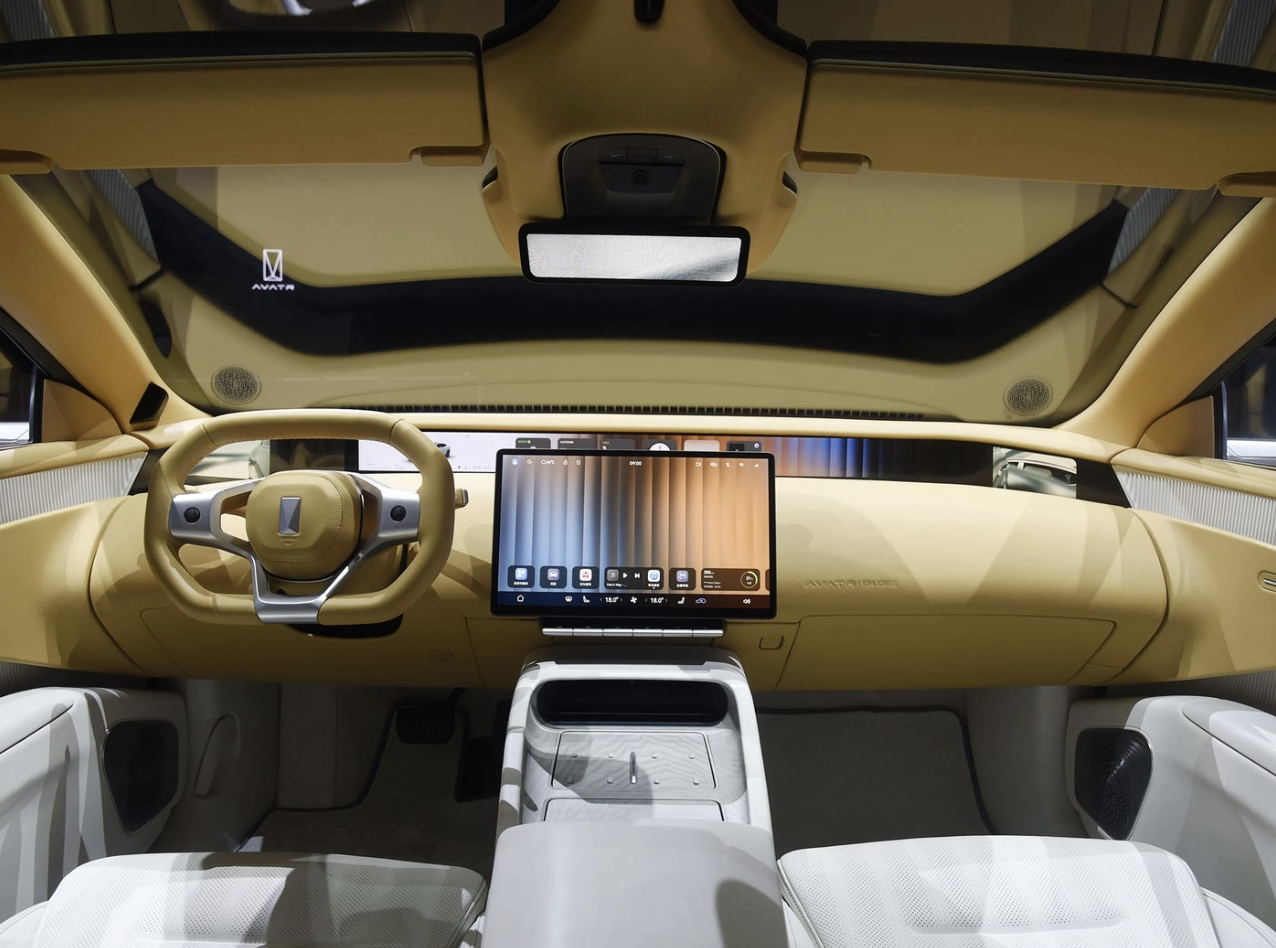
Avatr 07 Dual-Motor SUV — Designed for Global Export
Design and Innovation
The Avatr 07 is the result of a collaboration between Changan, Huawei, and CATL — three giants in China’s smart mobility sector. Its design combines aerodynamic fluidity and futuristic lines, giving it both style and function. The smooth roofline and sculpted body reduce drag, improving energy efficiency.
LED matrix headlights, flush door handles, and a panoramic glass roof add a premium, high-tech feel. The front fascia carries Avatr’s signature light strip, making it stand out in any market.
| Feature | Description |
|---|---|
| Partners | Changan, Huawei, CATL |
| Aerodynamics | Streamlined body, low drag coefficient |
| Lighting | Matrix LED system |
| Roof | Panoramic glass panel |
Powertrain
Underneath the sleek body sits a dual-motor all-wheel-drive system that delivers over 400 horsepower. Instant torque gives it quick acceleration, yet it remains smooth and quiet for daily driving.
Powered by CATL’s advanced battery pack, the Avatr 07 achieves a CLTC-rated range of 555 km. The system supports high-voltage charging, enabling quick top-ups for long-distance travel.
| Specification | Detail |
|---|---|
| Power Output | 400+ hp |
| Drive Type | Dual-Motor AWD |
| Battery | CATL Lithium-ion Pack |
| Range (CLTC) | 555 km |
| Acceleration (0–100 km/h) | ~4.8 sec |
Export Readiness
Avatr built this SUV for the world stage. It has completed European homologation, ensuring compliance with EU safety and emission standards. Its global launch is planned for Q3 2025, starting in Europe and the Middle East.
The Avatr 07 is positioned as a premium yet affordable electric SUV, targeting consumers seeking technology, comfort, and sustainability without a six-figure price tag.
| Market | Launch Date | Target Segment | Expected Price |
|---|---|---|---|
| Europe | Q3 2025 | Premium EV SUV | $45,000–$50,000 |
| Middle East | Q4 2025 | Luxury Export | $47,000–$52,000 |
| Asia-Pacific | 2026 | High-tech SUV | $43,000–$48,000 |
Battery Technology Leadership
China’s EV industry is leading a battery revolution. In 2025, new breakthroughs from CATL and BYD are setting global benchmarks for energy density, safety, and sustainability.
CATL’s Condensed Batteries and BYD’s LFP Advancements
CATL’s condensed battery offers nearly 500 Wh/kg energy density, rivaling aviation-grade power systems. It enables longer ranges without adding weight. This next-gen chemistry supports fast charging and maintains stability across extreme temperatures.
Meanwhile, BYD’s Blade Battery, built on LFP (lithium iron phosphate) technology, focuses on durability and safety. Its unique structure prevents thermal runaway, extending lifespan beyond 3,000 cycles. In 2025, BYD plans mass integration across the Sea Lion 07 and Dolphin EVs.
| Brand | Battery Type | Range (Max) | Key Advantage |
|---|---|---|---|
| CATL | Condensed Lithium | 700+ km | High density, fast charge |
| BYD | Blade LFP | 600 km | Safety, long cycle life |
| NIO | Semi-solid | 720 km | Lightweight, energy efficient |
Sodium-Ion Batteries Entering Mass Production
In 2025, China will commercialize sodium-ion batteries — a lower-cost, sustainable alternative. Though they offer slightly less range, they perform better in cold climates and reduce reliance on scarce lithium resources. CATL and HiNa Battery are leading this transition, targeting compact EVs and hybrid models.
Software and AI Integration
Smart EVs are evolving into AI-powered ecosystems. Platforms like Huawei’s HarmonyOS, XPeng’s Xmart OS, and NIO OS turn dashboards into intelligent assistants. They manage everything from route optimization to voice commands and cabin temperature.
Over-the-air (OTA) updates ensure vehicles keep improving. Drivers get new features without visiting service centers, keeping the experience fresh over years of ownership.
| System | Developer | AI Feature | Update Capability |
|---|---|---|---|
| HarmonyOS | Huawei | Smart cockpit, voice control | Full OTA |
| Xmart OS | XPeng | Autonomous driving optimization | Partial OTA |
| NIO OS | NIO | Predictive maintenance, AR HUD | Full OTA |
Export and Localization Strategies
China’s EV expansion goes far beyond domestic borders. Automakers are building localized factories in Thailand, Hungary, and Mexico to meet global demand and bypass import tariffs. These plants also ensure EVs are tuned for local grid compatibility and charging infrastructure.
Brands like BYD, Changan, and SAIC are investing heavily in regional R&D hubs to adjust software and battery management systems to each market’s climate and regulations.
| Region | Facility | Focus Area | Launch Year |
|---|---|---|---|
| Thailand | BYD Plant | RHD models, local assembly | 2025 |
| Hungary | CATL Factory | Battery exports to EU | 2025 |
| Mexico | SAIC Base | North America adaptation | 2026 |
Challenges and Future Outlook
Despite rapid progress, challenges remain. Many Western consumers still perceive Chinese EVs as new and untested. Stricter EU and US import regulations could also slow early adoption.
Competition is heating up — Tesla, Hyundai, and Volkswagen are expanding aggressively. Yet, global EV adoption is rising fast, and China’s mix of innovation, affordability, and scale positions it strongly for long-term dominance.
Conclusion
The top Chinese electric cars launching in 2025 combine advanced technology, sleek design, and strong performance. They offer ranges and charging options that fit both urban and long-distance driving needs. From budget-friendly models to premium options, these EVs provide excellent value and innovation. Smart features, AI systems, and advanced safety enhance the driving experience. Electric Vehicle products from Changjiang Automotive Industrial Supply Chain Co., Ltd.ensure reliable performance, energy efficiency, and modern convenience for all types of drivers.
FAQ
Q: What makes Chinese electric cars stand out in 2025?
A: They feature long-range batteries, smart AI systems, futuristic designs, and competitive pricing.
Q: Which types of Chinese EVs are launching in 2025?
A: BEVs dominate, with some PHEVs offering mixed-use flexibility for city and long-distance travel.
Q: How do performance metrics compare across these EVs?
A: Most offer 0–60 mph in 3–7 seconds, stable handling, and efficient weight distribution.
Q: What are typical charging and range capabilities?
A: Home Level 2 and public DC fast chargers; ranges 200–400 miles, depending on battery size and model.
Q: Who is the target audience for these EVs?
A: Urban commuters, tech enthusiasts, environmentally conscious drivers seeking affordability and innovation.
Q: How do these EVs impact sustainability?
A: Zero tailpipe emissions, renewable energy integration, and contribution to global carbon reduction goals.


