


Electric Vehicles Vs Traditional Cars: Which Is Right for You?
Views: 0 Author: Site Editor Publish Time: 2025-11-11 Origin: Site


Introduction
Electric vehicles are rapidly gaining popularity worldwide, yet traditional gas cars remain the go-to choice for many drivers. Choosing between the two depends on several factors, including cost, performance, environmental impact, and available infrastructure. EVs offer cleaner energy, lower running costs, and modern features, while gas cars provide established refueling networks and long-range reliability. In this post, we’ll explore the differences in charging versus refueling, maintenance requirements, and how each option fits into everyday lifestyles, helping you make an informed decision for your driving needs.
Understanding Electric Vehicles
What Are Electric Vehicles?
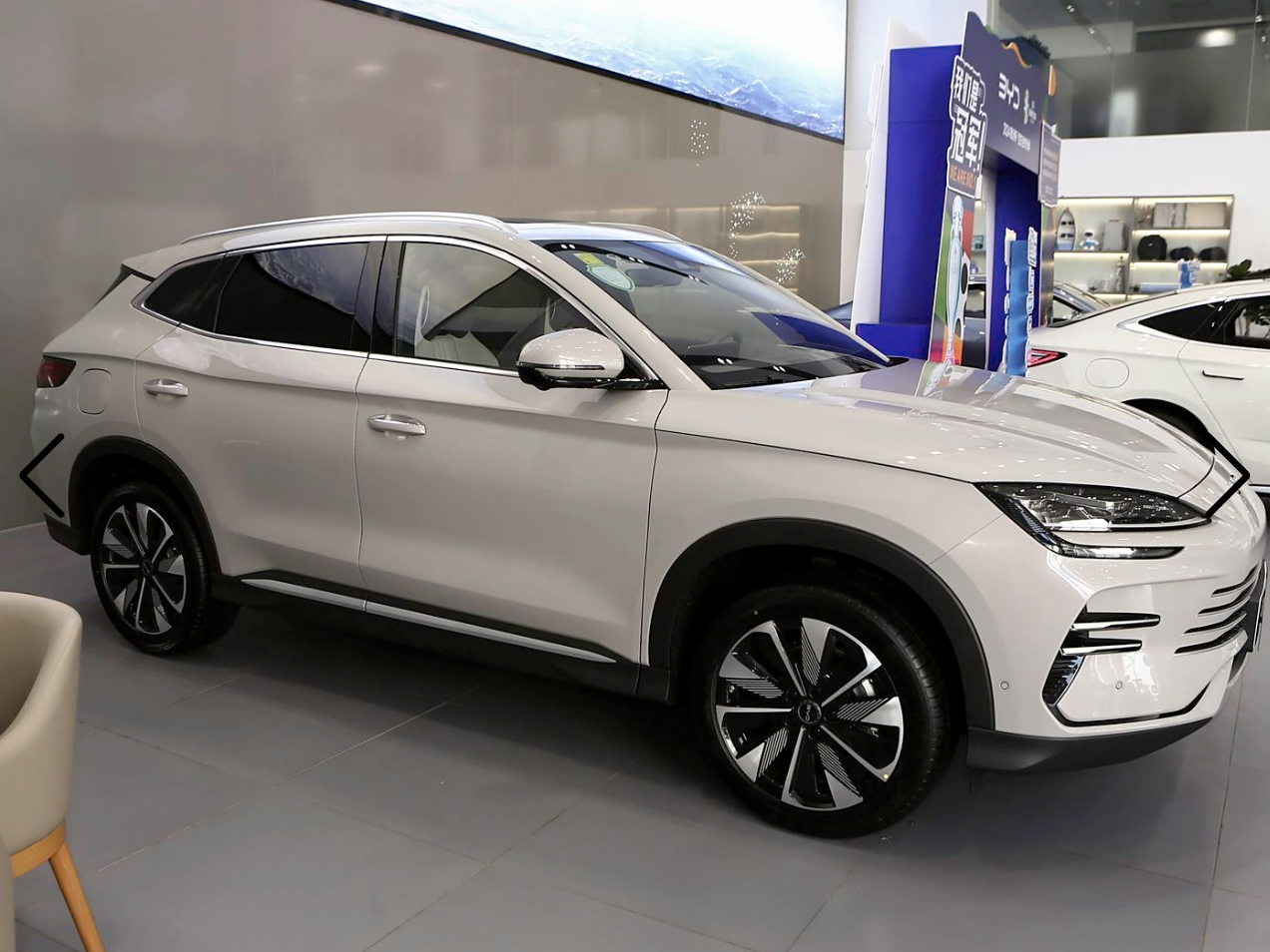
Electric vehicles (EVs) run on electricity rather than gasoline. There are three main types: BEVs (Battery Electric Vehicles) use only batteries, PHEVs (Plug-in Hybrids) combine battery power with a small engine, and HEVs (Hybrids) mostly rely on fuel but add electric motors. Unlike traditional cars, EVs produce zero tailpipe emissions and often require less maintenance.
How EVs Work
EVs use large batteries to power electric motors. Regenerative braking captures energy when slowing down, improving efficiency. Charging can be done via AC at home or DC fast charging at public stations. Level 1 and 2 chargers are common for everyday use, while fast chargers are ideal for long trips.
EV Range and Performance
Range varies by model and battery size, usually 150–400 km per charge. EVs accelerate smoothly, deliver instant torque, and provide quiet driving. They feel responsive in city traffic and on highways, often outperforming traditional engines in acceleration tests.
EV Charging Infrastructure
Home chargers allow overnight charging and smart energy management. Public stations provide rapid power for longer trips. Networks often feature mobile apps, subscription models, and dynamic pricing. Smart chargers monitor energy use and can schedule charging for cost efficiency.
Understanding Traditional Cars
What Are Traditional Cars?
Traditional cars, often referred to as internal combustion engine (ICE) vehicles, primarily run on gasoline or diesel fuel, although hybrid variants combine fuel engines with electric motors. They generate power through combustion, which involves burning fuel to create mechanical energy that propels the car. Unlike electric vehicles (EVs), traditional cars emit carbon dioxide and other pollutants directly from the tailpipe, contributing to air pollution and greenhouse gas accumulation. Regular maintenance is essential, including oil changes, filter replacements, and engine check-ups, to ensure reliable performance. Hybrids attempt to bridge the gap by using electric motors to assist in propulsion, improving fuel efficiency and reducing emissions without completely eliminating reliance on fossil fuels. This combination allows drivers to enjoy some benefits of electric driving while retaining the familiar refueling convenience of traditional cars.
How Traditional Cars Work
The operation of a traditional car centers around its internal combustion engine, which converts the chemical energy in fuel into mechanical motion. Fuel is injected into engine cylinders, where it mixes with air and is ignited by spark plugs. This combustion pushes the pistons down, turning the crankshaft, which then transfers power through the transmission system to the wheels. Several critical components, including fuel injectors, spark plugs, camshafts, and exhaust systems, work in harmony to maintain performance, efficiency, and emissions control. Factors such as engine design, cylinder count, turbocharging, and even driving behavior significantly affect fuel efficiency. For instance, aggressive acceleration and heavy loads increase fuel consumption, while steady cruising at optimal speeds conserves fuel. Understanding this intricate system highlights why traditional cars require more regular maintenance than electric vehicles and why fuel economy can vary widely between models and driving conditions.
Range and Refueling
One of the key advantages of traditional cars is their range and refueling speed. Fuel tanks typically hold between 40 and 70 liters, enabling most vehicles to travel 400–700 kilometers on a single tank, depending on fuel efficiency. Refueling is fast and convenient, usually taking less than ten minutes at widely available gas stations, which makes long road trips straightforward and predictable. Drivers rarely need to plan their route around fuel availability, as stations are often dense in urban and suburban areas. Additionally, fuel stations offer multiple fuel grades, helping drivers optimize performance or cost based on their preference. While electric vehicles require more careful planning for longer trips due to charging infrastructure limitations, traditional cars allow almost instantaneous resupply, making them particularly suitable for rural areas, highways, and situations where travel time is critical.
| Vehicle Type | Fuel Tank Capacity | Average Mileage | Refueling Time | Best Use Case |
|---|---|---|---|---|
| Gasoline/Diesel | 40–70 L | 10–15 km/L | 5–10 min | Long trips, flexible travel |
| Hybrid | 40–60 L + Battery | 12–20 km/L (combined) | 5–10 min + charging | Mixed city & highway driving |
Cost Comparison
Upfront Purchase Cost
Generally, traditional cars are less expensive than electric vehicles when considering the initial purchase price. Gasoline and diesel vehicles benefit from mature manufacturing processes and a wide range of models that cater to various budgets. EVs, on the other hand, often include costly battery technology, which raises their upfront cost. However, governments in many regions provide incentives, tax credits, or subsidies that can significantly narrow the price gap, making some EVs competitive with mid-range traditional cars. Despite this, buyers must weigh immediate affordability against long-term savings on fuel and maintenance, as traditional cars may require more frequent repairs and maintenance over their lifespan, which can offset initial cost advantages.
| Vehicle Type | Typical Price Range | Government Incentives | Notes |
|---|---|---|---|
| Traditional Car | $20,000–$40,000 | Rare/Minimal | Affordable upfront, more maintenance |
| Electric Vehicle | $35,000–$55,000 | Tax credits/subsidy | Higher initial cost, lower running cost |
Fuel vs Electricity Costs
Fuel costs for traditional cars fluctuate depending on global oil prices, local taxes, and seasonal demand, creating potential unpredictability in monthly driving expenses. In contrast, electricity for EVs is typically more stable and cheaper per distance traveled. Charging at home, especially during off-peak hours, further reduces energy costs. For traditional cars, the total cost of ownership heavily depends on fuel efficiency and the miles driven, with high fuel consumption vehicles incurring significant ongoing expenses. Drivers in regions with high gas prices may find that, over several years, fuel costs alone surpass the price difference of purchasing a more expensive EV, making electricity-powered vehicles more economically advantageous in the long term despite their higher initial price.
| Vehicle Type | Energy Cost per 100 miles | Price Stability | Notes |
|---|---|---|---|
| Gas Car | $8–$15 | Variable | Depends on oil market fluctuations |
| Electric Vehicle | $3–$6 | Stable | Lower and predictable |
Maintenance and Repairs
Traditional cars contain numerous moving parts, including the engine, transmission, exhaust systems, and complex fuel systems, all of which require regular maintenance. Oil changes, spark plug replacements, and periodic inspections are necessary to keep the vehicle running efficiently. In contrast, EVs have simpler mechanical systems, fewer moving parts, and no oil requirements, reducing the frequency and cost of maintenance. Additionally, traditional cars are more prone to wear-related issues over time, such as transmission repairs or timing belt replacements, which can be costly. While repair services for traditional cars are widely available, the cumulative maintenance cost over years can be a significant factor in deciding between ICE vehicles and EVs.
Insurance and Depreciation
Insurance premiums for traditional cars are generally predictable and competitive due to the long-established repair networks and consistent repair costs. EV insurance can sometimes be higher because replacement parts, particularly batteries, are expensive and specialized. Regarding depreciation, traditional cars tend to lose value steadily over time, whereas EVs may experience faster depreciation in the first few years due to rapid advancements in battery technology and model updates. However, the lower running and maintenance costs of EVs can offset initial depreciation, whereas traditional vehicles maintain steady residual value but incur higher ongoing expenses. Buyers must consider both upfront and long-term financial impacts when choosing between traditional and electric vehicles.
| Vehicle Type | Insurance Cost | Depreciation Trend | Notes |
|---|---|---|---|
| Traditional Car | Moderate | Steady | Predictable insurance, moderate resale loss |
| Electric Vehicle | Slightly higher | Faster initially | Lower running cost offsets depreciation |
Performance Comparison
Driving Experience
Electric vehicles (EVs) are renowned for delivering instant torque, which provides smooth and highly responsive acceleration. This makes city driving, stop-and-go traffic, and merging onto highways effortless. Additionally, EVs run quietly, significantly reducing cabin noise and creating a more relaxing driving environment. Traditional gasoline or diesel cars, on the other hand, offer a familiar engine sound and driving feel that many drivers associate with control and reliability. Long trips in gas cars tend to feel consistent and predictable, with no concern for charging infrastructure. While EVs excel in urban and suburban driving comfort, gas cars remain preferable for drivers seeking traditional auditory and tactile feedback during extended journeys.
Acceleration and Handling
EVs benefit from electric motors that provide rapid and precise acceleration, often outperforming comparable gasoline cars in 0–60 mph tests. The instant torque from the electric motor ensures a smooth surge of power without the need for complex gear changes. However, EVs generally weigh more due to battery packs, which can influence handling; the added weight often improves stability but may slightly reduce agility in tight corners. Traditional cars rely on engine power transferred through a transmission system, which delivers more gradual acceleration. Handling depends heavily on weight distribution, suspension design, and chassis tuning. Drivers choosing between EVs and gas cars must weigh the trade-off between responsive, quiet acceleration and familiar handling characteristics.
| Vehicle Type | Acceleration (0–60 mph) | Handling | Noise Level |
|---|---|---|---|
| EV | 3–7 sec | Stable | Quiet |
| Gas Car | 5–9 sec | Standard | Loud |
Long-Distance Travel
A key consideration in performance is range and refueling or recharging time. EVs typically offer ranges between 200–350 miles per charge, which is sufficient for daily commutes and planned trips. However, long-distance travel requires careful planning for charging stops, particularly in regions with sparse infrastructure. Gas cars, with ranges of 300–500 miles and refueling times of only 5–10 minutes, offer unmatched flexibility for long road trips, allowing drivers to cover extended distances without significant delays. For EV drivers, planning routes around fast-charging stations becomes essential, whereas gas car users enjoy convenience and predictability on highways and rural routes.
| Vehicle Type | Typical Range | Refueling/Recharging Time | Best Use Case |
|---|---|---|---|
| EV | 200–350 miles | 30 min–10 hrs | Daily commute, planned trips |
| Gas Car | 300–500 miles | 5–10 min | Long road trips, flexible travel |
Environmental Impact
Carbon Footprint Comparison
While EVs produce significant emissions during battery manufacturing, they emit no tailpipe CO₂ during operation. In contrast, traditional cars continuously release CO₂ per mile driven. Over a vehicle’s lifetime, EVs generally have a lower carbon footprint, particularly when charged using renewable energy sources. Gasoline and diesel cars, despite being refined over decades for efficiency, inevitably contribute more greenhouse gases over their operational life. For environmentally conscious buyers, the lifetime emissions of a vehicle—rather than just its purchase cost—play a critical role in sustainable transportation choices.
| Vehicle Type | Manufacturing Emissions | Tailpipe Emissions | Lifetime CO₂ Impact |
|---|---|---|---|
| EV | High (battery) | 0 | Lower than gas |
| Gas Car | Moderate | Continuous | Higher overall |
Renewable Energy Integration
EVs can leverage renewable energy to further reduce their environmental impact. Home solar panels allow owners to charge vehicles with clean energy, significantly lowering reliance on the electrical grid and reducing CO₂ emissions. Public charging networks increasingly integrate wind or solar power, supporting sustainable urban mobility. Additionally, integrating EVs into renewable energy ecosystems helps cities reduce peak demand and manage energy resources more efficiently. Traditional cars, by contrast, remain dependent on fossil fuels, with minimal potential for renewable integration, highlighting EVs as a future-oriented choice for sustainable transportation.
Vehicle-to-Grid (V2G) Technology
Vehicle-to-Grid (V2G) technology allows EVs to store unused electricity and feed it back into the grid, helping balance energy demand and reduce peak load costs. This transforms EVs from mere transportation tools into energy assets, supporting smarter and greener communities. Homeowners can leverage V2G to optimize energy use, lower electricity bills, and stabilize the grid during high-demand periods. Traditional cars cannot provide such benefits, reinforcing the role of EVs in future energy ecosystems beyond just mobility.
Pros and Cons Overview
EVs offer lower running costs, near-zero emissions, and smooth, quiet driving. Many governments provide tax incentives or rebates, making EV ownership financially appealing over time. However, EVs require longer charging times, and battery degradation over years slightly reduces driving range. Upfront costs are higher than traditional cars, though incentives can help offset this. Traditional cars benefit from established refueling networks, longer range, and rapid refueling, making them reliable for long-distance travel. On the downside, fuel costs are variable, emissions are continuous, and maintenance is more frequent and costly.
| Vehicle Type | Pros | Cons |
|---|---|---|
| Electric Vehicle | Low running cost, smooth driving, low emissions, tax incentives | Charging time, battery degradation, higher upfront cost |
| Traditional Car | Quick refueling, long range, broad model choice | Fuel cost, emissions, frequent maintenance |
Making the Right Choice
Key Questions Before Buying
Choosing the right vehicle requires careful consideration of your personal driving habits, lifestyle, and priorities. Start by assessing your daily mileage: do you mostly drive short distances in the city, or do you frequently take long trips on highways? Accessibility is also crucial—do you have convenient access to home charging or nearby gas stations? Budget considerations go beyond the upfront purchase price and should include running costs, fuel or electricity expenses, and potential maintenance fees. Additionally, environmental priorities—such as reducing carbon emissions and supporting renewable energy—can influence the decision. By analyzing these factors, you can narrow down the most suitable vehicle type, ensuring both practicality and long-term satisfaction.
| Factor | Considerations | Notes |
|---|---|---|
| Daily Mileage | Short city trips vs. long commutes | Determines need for EV range or gas car flexibility |
| Infrastructure Access | Home charging availability or nearby gas stations | Affects convenience and long-distance feasibility |
| Budget | Upfront cost, running cost, maintenance | Total cost of ownership is critical |
| Environmental Priorities | Carbon footprint, renewable energy usage | Aligns purchase with personal values |
Personalized Recommendations
The best vehicle choice depends on how and where you drive. For drivers whose trips are mostly short and local, EVs provide excellent efficiency, low running costs, and minimal maintenance requirements. City driving suits EVs well due to regenerative braking, instant torque, and quiet operation. Conversely, those with longer daily commutes or frequent rural travel may find traditional gasoline or diesel vehicles more practical, thanks to their extended range and rapid refueling. Matching vehicle features such as seating, cargo space, and safety technology to your lifestyle ensures maximum comfort and convenience. Considering these aspects helps balance cost, usability, and driving enjoyment, allowing you to choose a vehicle that truly fits your day-to-day needs.
| Driver Profile | Recommended Vehicle Type | Key Advantages | Notes |
|---|---|---|---|
| Short urban trips (<50 km/day) | Electric Vehicle (EV) | Low running cost, smooth and quiet driving | Ideal for city commuting and errands |
| Long highway commutes | Gasoline/Diesel Car | Quick refueling, long range | Best for rural or intercity travel |
| Mixed driving | Hybrid/PHEV | Flexible power source, reduced emissions | Combines EV efficiency with range security |
Hybrid Options
Plug-in hybrid electric vehicles (PHEVs) combine the benefits of EVs and traditional gasoline cars, offering a versatile solution for many drivers. For short city trips, PHEVs run purely on electric power, producing zero tailpipe emissions while providing smooth and quiet driving. When battery levels are low or for longer journeys, the gasoline engine engages automatically, extending the vehicle’s range and eliminating range anxiety. This dual-power approach allows drivers to enjoy electric efficiency without sacrificing flexibility. PHEVs also reduce fuel consumption and emissions compared to conventional cars, making them suitable for environmentally conscious drivers who require occasional long-distance travel. By carefully evaluating daily travel patterns and charging options, drivers can select a hybrid vehicle that maximizes both convenience and sustainability.
| Vehicle Type | Electric Range | Gasoline Range | Best Use Case | Advantages |
|---|---|---|---|---|
| PHEV (Plug-in Hybrid) | 50–110 km | 400–600 km | Mixed city and highway driving | Flexibility, lower emissions, reduced fuel cost |
| EV | 150–400 km | N/A | Primarily urban or short-medium trips | Zero tailpipe emissions, low running cost |
| Gasoline/Diesel Car | N/A | 400–700 km | Long-distance, rural travel | Quick refueling, long range |
Conclusion
Choosing between Electric Vehicles and traditional cars depends on daily mileage, charging access, and environmental priorities. EVs offer lower running costs, smoother and quieter rides, and significantly reduced carbon emissions. Traditional cars provide longer range, established refueling networks, and broad model choices. Changjiang Automotive Industrial Supply Chain Co., Ltd. delivers advanced EV products designed for home and public use, featuring smart charging, energy efficiency, and reliable performance, helping drivers save money and travel sustainably with confidence.
FAQ
Q: What are the main differences between electric vehicles and traditional cars?
A: Electric Vehicles run on batteries with zero tailpipe emissions, while traditional cars use gasoline or diesel engines emitting CO₂.
Q: How does EV charging work compared to refueling a gas car?
A: EVs recharge via AC or DC chargers at home or public stations, taking from 30 minutes to overnight. Gas cars refuel in minutes at stations.
Q: What are the cost advantages of EVs?
A: EVs have lower running costs, fewer maintenance needs, and potential tax incentives. Traditional cars face fuel price volatility and higher upkeep.
Q: Are EVs better for the environment?
A: Yes, EVs reduce emissions, especially when charged with renewable energy. Vehicle-to-Grid technology further supports grid efficiency and sustainability.
Q: How to decide between EVs and traditional cars?
A: Consider daily mileage, charging access, budget, lifestyle, and environmental priorities. Hybrid options can provide a balanced solution.


